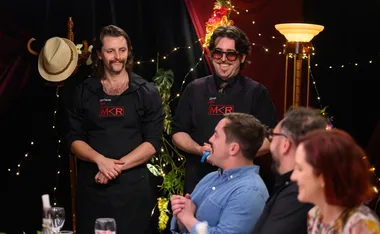
Two nervous Aussies face each other as The Floor host Rodger Corser says the curious yet now familiar words which signal an edge-of-your-seat clash is about to begin: “let’s duel!” And in the fierce battle for TV ratings, networks are increasingly looking to game shows to give them the edge over their rivals.
TV dramas come and go, as do thrills and spills sports seasons, but one TV staple remains, game shows. Always one of the most reliable forms of family entertainment, game shows off an easy escape from real-world dramas.
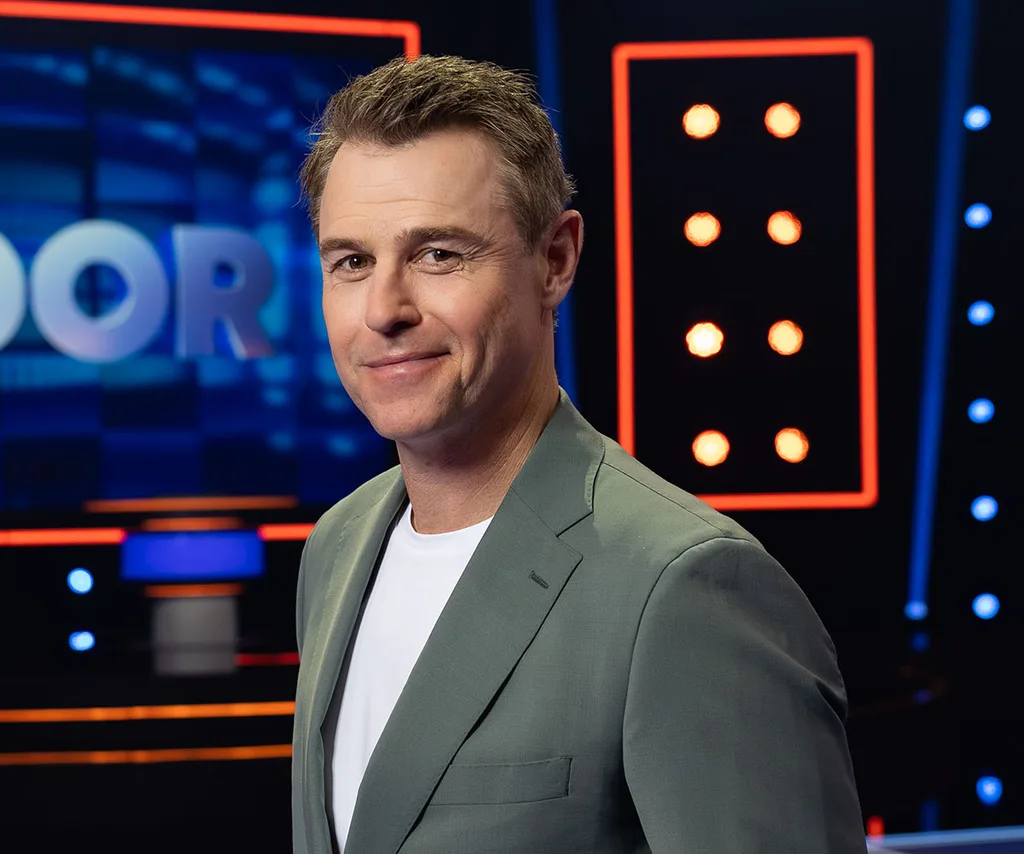
Australia’s love affair with game shows started with early favourite Pick a Box, which aired from 1957 to 1971, and continued with Sale of the Century, with effervescent host Tony Barber, Wheel of Fortune, The Price is Right, Family Feud, Burgo’s Catch Phrase and Who Wants to Be a Millionaire?
And right now, game shows are hotter than ever.
“Game shows are having a real moment because they’re fun, easy to watch and something the whole family can get around together,” The Floor executive producer Andrew Peace tells TV WEEK. “There’s humour, tension, a bit of jeopardy and you can play along from the couch, which is always part of the appeal.”
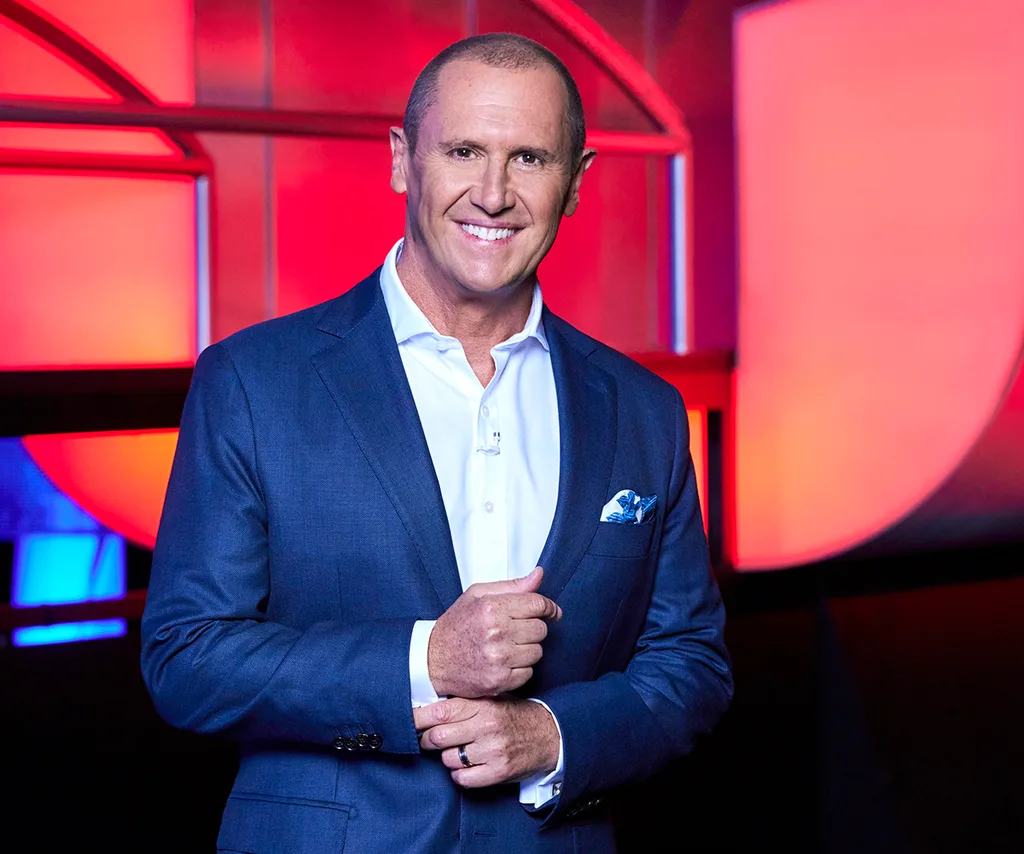
The ability to play along at home is the “golden rule” of producing a great gameshow, The Chase host Larry Emdur says.
“A good or great game show means you’re sitting on your couch, but you are totally involved in answering the questions, beating the clock, beating the chaser, beating the actual contestant,” he says. “The Chase is all about these components.”
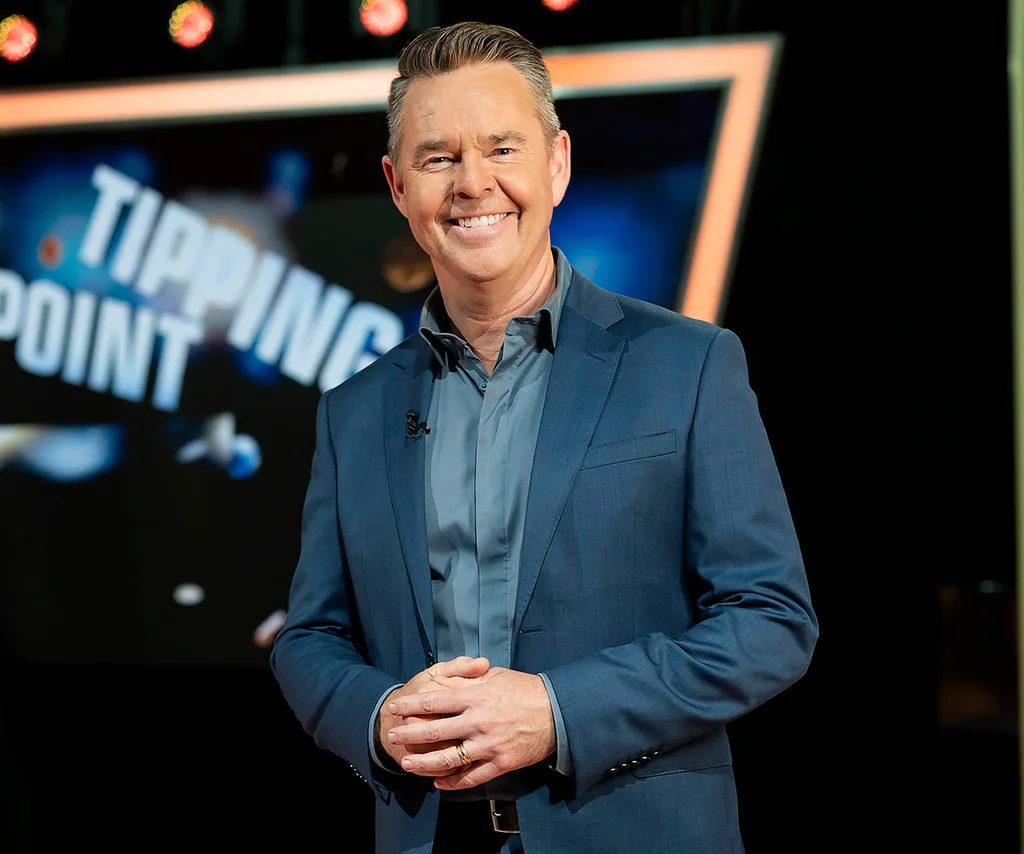
A quick look at TV ratings will tell you that on any weekday, both Nine Network’s Todd Woodbridge-led Tipping Point and Channel Seven’s The Chase are two of the most-watched non-News shows on television, regularly being watched by more than 800,000 viewers.
Last year, ratings for the inaugural season of The Floor were through the roof, with the show reaching 2.2 million viewers nationally for its first episode. Recent Sunday night episodes of The Floor were watched by more than 900,000 viewers nationally, with Seven’s gameshow, The 1% Club, hosted by comedian Jim Jefferies, faring similarly.
Over at the ABC, Hard Quiz, helmed by Gold Logie winner Tom Gleeson, is a consistent ratings performer, while Network 10’s revamped Millionaire Hot Seat, hosted by Rebecca Gibney, and Deal or no Deal are proven format loved by their fans.
“Network 10’s game shows reach three million Australians every week, with families making up 40 per cent of that audience,” Paramount Australia VP of Content, Tamara Simoneau says. “Who doesn’t love a good-hearted debate over the answer to random trivia, yelling at the telly to urge a player to ‘take the deal’ or dreaming up what we’d do with all that prize money if we won?”

For families looking for a reprieve from bleak news – and reality shows – game shows offer prime-time family entertainment.
“Game shows allow you to relax,” Todd says. “They’re not in your face, not confronting and they’re family orientated.
“There aren’t a lot of shows on television where you can sit down with a three-year-old to a 93-year-old and everybody has something to talk about.”

Of course, a good game show comes with its own terminology (“activate the randomiser”, Rodger says in The Floor) and eye-catching props (the arcade-style coin pusher in Tipping Point) which allow for high-stakes twists. And game shows test contestants in different ways. The Chase invites Aussies to take on super-brainy Chasers, while The Floor sees contestants duking it out on topics as diverse as dogs and desserts.
“It doesn’t matter who you are, how much education you’ve had, what you do for a job, what your cultural background is, The Floor is a real leveller,” Rodger says. “The younger ones can beat you in a round. They get their turn to topple the parents in something like K-pop or Taylor Swift songs.”
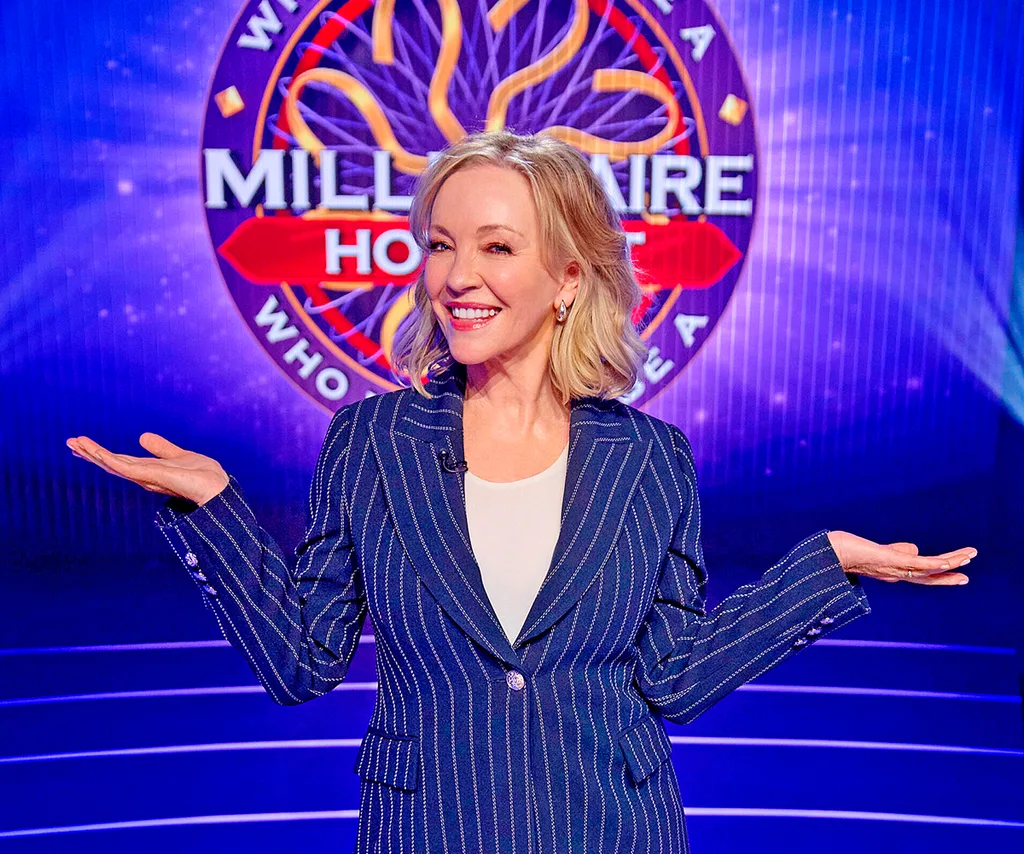
One thing all game shows have in common is a charismatic host – and having a game show background is certainly not a prerequisite. Both Hard Quiz and The 1% Club are hosted by comedians (Tom and Jim, respectively), The Floor’s Rodger is an actor and Tipping Point’s Todd is a former tennis champ. Todd says he initially felt like an “imposter” as a game show host, but he aims to bring a genuine interest in “enjoying people’s company” to the screen.
“A host with charisma is always the biggest factor in a gameshow. Many tired shows or lacklustre formats can be given new life by a witty host gifted at banter with contestants,” University of Melbourne associate professor Lauren Rosewarne says. “Unique and novel concepts, however, can certainly help.”

The 1% Club flips the script on conventional quiz shows by testing the way contestants think, rather than their general knowledge. You don’t, Jim insists, “have to be a genius to win this show”.
Seven will soon launch another game show into the mix with Caught in the Middle. Hosted by Shane Jacobson, the show sees a duo trying to outsmart 100 opponents over the course of 15 questions.
Truth is, most game shows don’t require too much of viewers. In a world of social media distractions, they’re easy to get back into if you happen to miss (heaven forbid) a few moments.
“(Game shows) are almost universally upbeat programs where you don’t need to make too much emotional investment and where you can miss a few days of episodes and there is nothing that you desperately need to catch up on,” Lauren says.
For networks, the appeal of game shows is obvious: they’re low cost.
“Compared to scripted dramas, game shows are extremely cheap to produce,” Lauren says. “Many also have a long-ish shelf life – meaning they can have second or third lives in repeats.”
Game on… and on!

Related stories
Native ad body.

Native ad body.




Native ad body.