




Along with eating well and regular exercise, one of the best things we can do for our health is to get out and socialise.
It’s good for your happiness and overall wellbeing, and there is growing evidence that connecting with your local community may help to keep you younger physically, too.
Join The Club by Amber Bramble
Making friends often seems harder as you reach adulthood, with around 15 per cent of Aussies admitting they feel socially isolated. But that also means there are plenty of other people who feel the same way.
One of the best ways to meet new people is by joining a club. There’s bound to be one that suits you, so your only challenge is to get out there and find it.
Fitness Groups
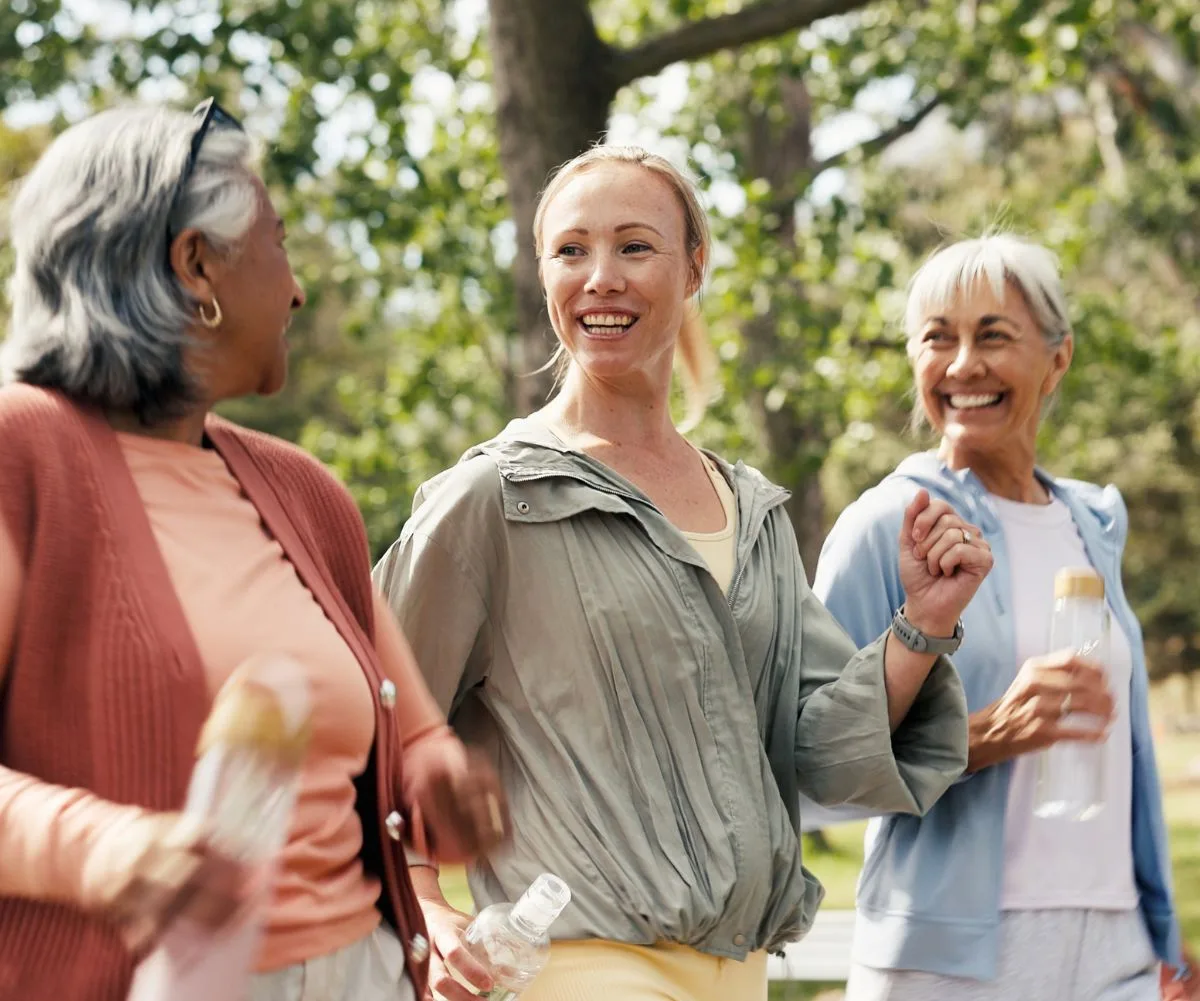
Swimming, running, hiking and walking clubs can be great for anyone who finds exercising more fun and enjoyable in a group. To find a free walking group near you, check out heartfoundationwalking.org.au
Dance
Any type of dance is good for your fitness and mood and there’s even growing evidence that it could lower your risk of dementia. That said, some classes are better for making friends than others.
Ballroom and salsa dancing are particularly good for socialising (you’ll be changing partners so you must mingle) or you might prefer a tap group with a strong emphasis on community. Some studios run social events, and you can often find specialised classes for seniors and beginner adults.
Book Clubs
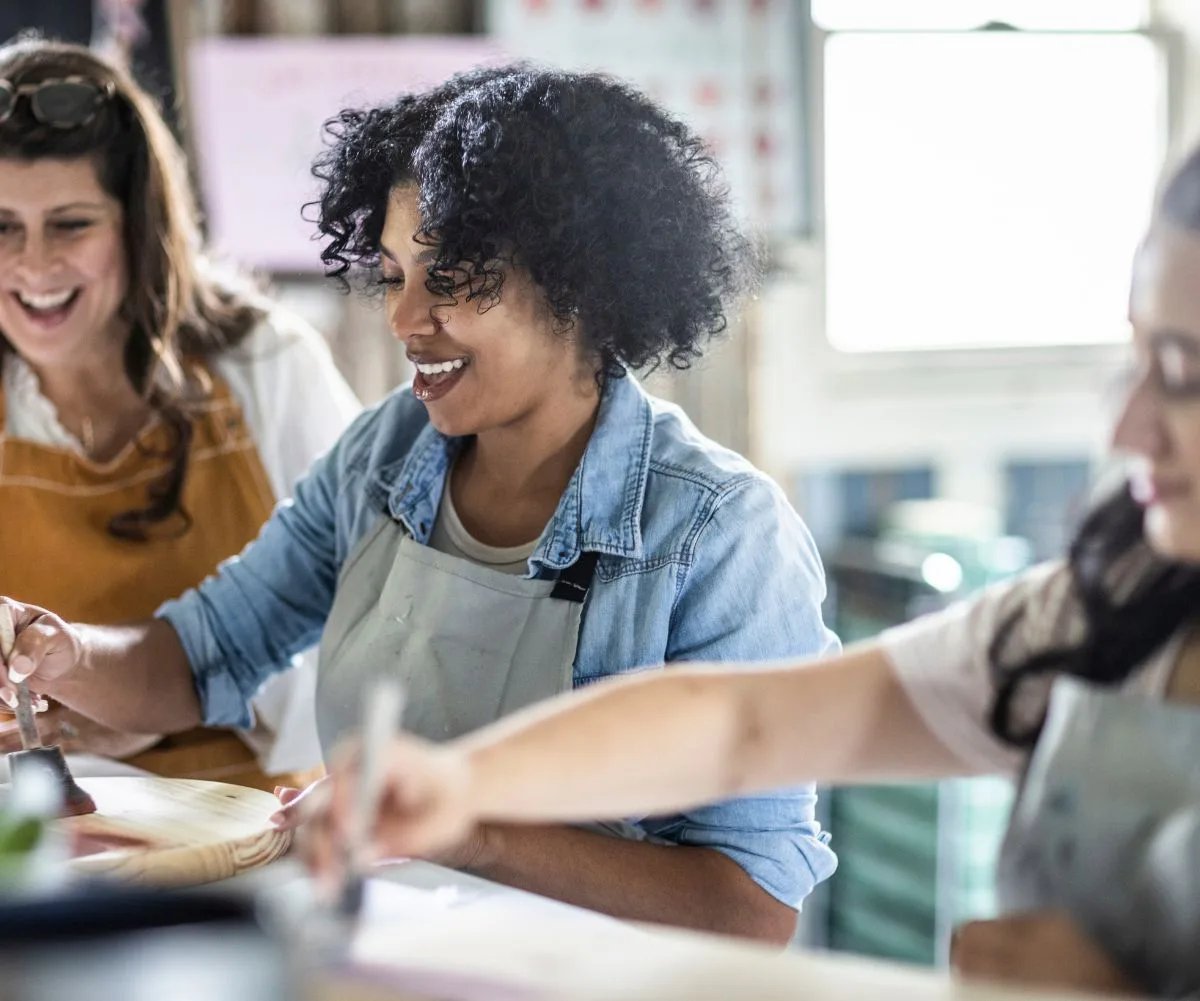
Even indoorsy types need to get out and socialise sometimes, and what better way than through the cosy pastime of reading?
The challenge with book clubs is to find one that suits your vibe (and covers books that you actually like). You could try checking notices at your local library, council website, bookstores, or ask around and see what you can find through word of mouth.
Or gather a few friends together and start your own book club. For some pointers on how to do this, visit australiareads.org.au.
Team Sports
Along with school, another way many of us made friends as kids was through a sports team.
The good news is that it’s never too late to get back into the game, and if you haven’t played before that’s OK too. Be aware that “senior” can mean different things in various sports, for example in netball it applies to anyone over 18.
However, if you look around you can find teams for all ages and mobility levels, including walking netball, walking hockey, walking pickleball and more!
Share Your Skills
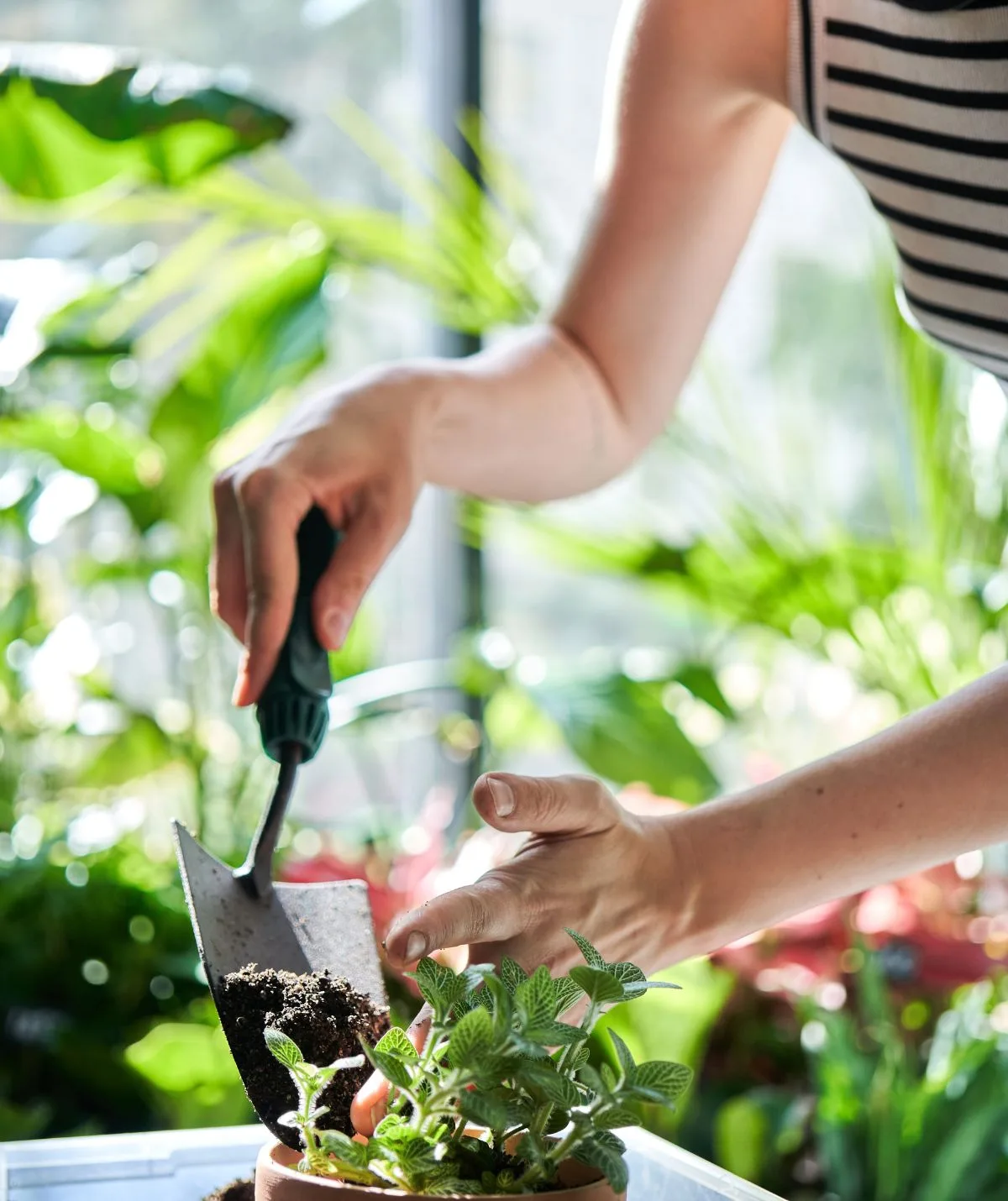
Do you have a favourite pastime that none of your close family or friends enjoy?
By joining a volunteer group you’ll get a chance to use and develop your skills and meet people who enjoy the same things as you.
Food organisations, public gardens, pet shelters, theatre groups, museums, galleries and many other organisations rely on volunteers where you can do something you love while also helping the community.
For crafty types, Wrap with Love (wrapwithlove.org) holds regular knitting and crochet nights, where you can make wraps for people in areas of trauma and need, and there are mending and repair groups such as Reverse Garbage (reversegarbage.org.au), where you help to keep old clothes and other items in circulation.
For more information visit govolunteer.com.au
Life 3.0: Your Next Chapter Lived Beautifully by Janine Donovan
Filling The Gaps
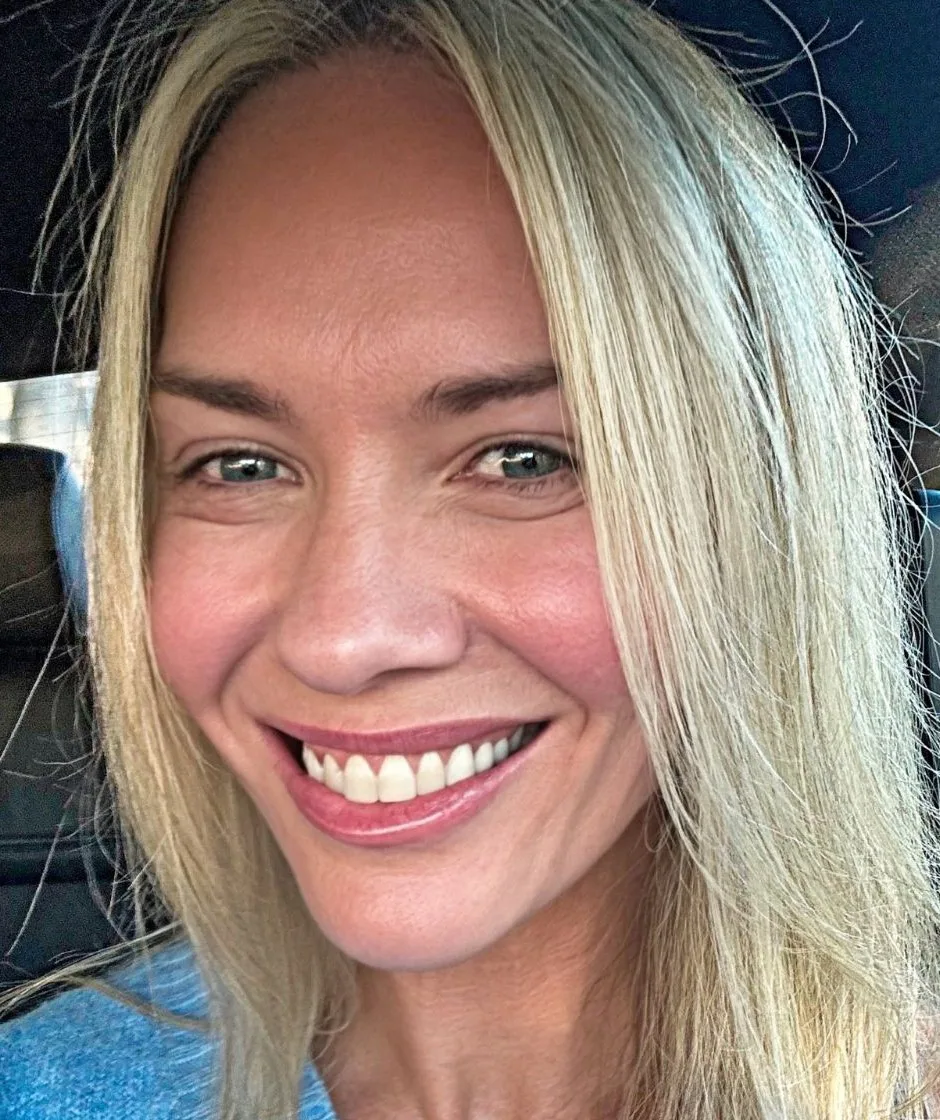
One of the strangest things about reaching this stage of life is realising just how much of your time once belonged to other people. For years, my weekends revolved around my children and their sport. I loved being that mum, always driving them to training, standing on the sidelines and getting involved wherever I could.
Rowing, in particular became a huge part of our lives, with early mornings, regattas and camps. Then, as children do, they grew up. Both continued rowing and, unexpectedly, the sport gave us a new way to stay connected – we’d drive to regattas together and share race days.
The school runs had gone but in their place came an interest we could enjoy together as adults.
Doing Something Just For Me
Ironically, I’d originally taken up rowing because of my children. When they were still at school, I signed up for a learn-to-row program. I’ve always been sporty but I largely wanted to understand what they were experiencing so I could better support them.
What I hadn’t expected was to fall completely in love with it myself. Long after their school rowing days finished, I kept going – and what rowing gave me went far beyond exercise. It gave me a community.
Through my club, racing and the wider rowing world, I met people I wouldn’t have otherwise. Some are now among my closest friends, which has become particularly valuable as my life has changed.
When your children are young, connection happens almost automatically. There are mothers groups, school gates, sidelines and kids activities constantly putting you alongside other adults.
In midlife, relationships change and friendship circles naturally shift. Suddenly, creating new connections can require a little more effort and intention.
Stepping Into a NEW World
For me, rowing happened to be that doorway, but it doesn’t need to be a sport – it could be a walking group, volunteering role or book club.
The activity itself almost matters less than putting yourself out there regularly enough for unfamiliar faces to become familiar ones. These days, my world has expanded in other directions but during that transition it gave me a place to belong while I was working out what the rest of my life might look like.
When life suddenly creates space where there wasn’t any, you needn’t rush to fill every gap. But finding something that’s yours and putting yourself back out into the world can be a good place to start.
Follow along on Instagram @womansdayaus


Related stories

Native ad body.
Native ad body.
Native ad body.