


IN SHORT
- Serafina’s family sold everything to join Camp David cult lead by a man claiming to be the reincarnation of Jesus.
- Doctors were forbidden, birthdays were banned and they were taught the outside world was evil.
- When horrifying secrets about the cult’s founder emerged, the family fled the suffocating rules, fear and manipulation they’d endured
- But freedom came at a cost for Serafina, as she struggled to adjust to life outside
- Here, Serafina, 48, from Adelaide, SA, shares her story…
Wincing, I carefully pulled a rusty nail from the sole of my shoe.
It had pierced straight through while I was at school.
“You’ll need a tetanus shot,” my teacher said.
It was 1984, and I was growing up in a cult called Camp David, a 100-acre commune in Waipara, NZ.
My family had moved there three years earlier, when I was just four. From the outside, the camp looked like a castle.
Read more: My Mormon parents don’t know I make a fortune on OnlyFans
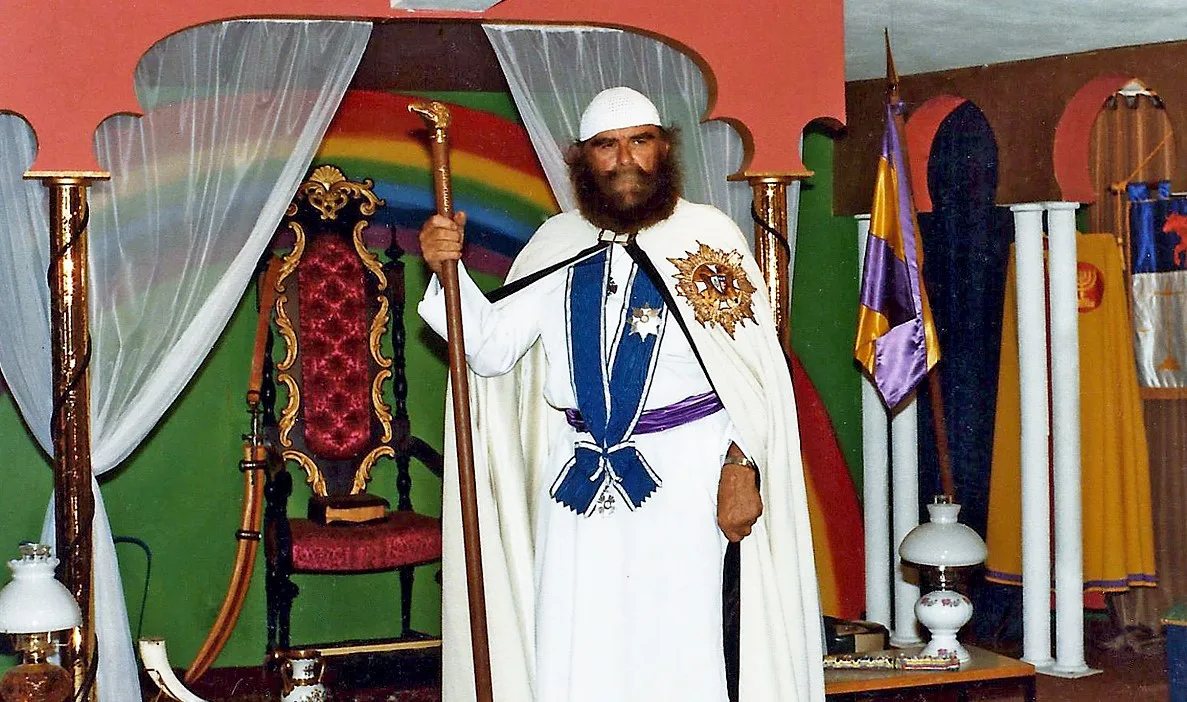
White-painted watchtowers rose above padlocked gates. Paths wound past waterfalls and a sunken garden.
I attended a local public school, but life at home was governed by the teachings of Douglas Metcalf, a charismatic prophet who founded the group in the 1960s and claimed to be the reincarnation of Jesus.
When I arrived home clutching my injured foot, the leaders at Camp David gathered around me.
“God will protect you,” they said, praying instead of taking me to a doctor.
Dad had once served in the air force, but he gave away all our money to join the 200-member group.
He believed he was helping to create a better world – one where wealth and status no longer mattered.
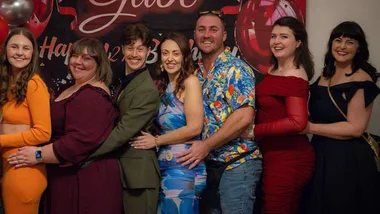
We lived in a bus with only the barest facilities. At dinner, everyone gathered to eat while one of the leaders delivered a sermon.
“The Devil hides in music,” they told us. “He hides in the books you read, the clothes you wear, even in your thoughts.”
We had to attend 11 church meetings a week, as well as communion every Wednesday.
Christmas and birthdays were forbidden.
Instead, we observed events such as the Feast of Passover in October, painting red around our doors to symbolise blood and sacrifice.
Metcalf – who everyone called Uncle Doug – preached that Christ would soon return to Earth and that we would need to defend him against non-believers.
He said everyone outside Camp David was evil, and that only those inside were safe.
Women were taught they were inferior, created only to be mothers or housewives.
We wore long skirts and covered our hair. Make-up and earrings were banned.
Modern rock and pop music were banned, and television and newspapers were described as Satan’s tools.
Once, I asked Mum why I couldn’t wear trousers or cut my hair.
“It’s in the Bible,” she said.
I never asked again, afraid God would turn his back on me.
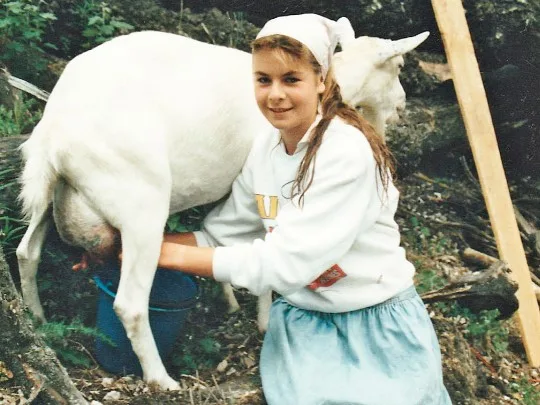
School offered little refuge.
I was bullied and spat on for being in a cult, so I kept to myself, trying to survive between two opposing worlds.
In 1989, when I was 12, Metcalf died, aged 68.
His followers believed he would rise again in three days. He didn’t.
Some people began to question things, but Metcalf’s son-in-law, Daryl Metcalf Williams, took control.
He ruled like a dictator, but people were too terrified to confront him, believing that questioning the leader meant questioning God’s will.
By 1993, his leadership had become more extreme. He said the government was watching and that non-believers were coming for us.
Behind closed doors, whispers of discontent began to circulate.
“We’ve been betrayed,” one elder said quietly. “We’ve been conned out of our life savings, our families and our youth.”
He and his family left soon after. Others followed in the weeks that came.
Then, in October 1995, allegations of sexual abuse involving Douglas Metcalf emerged.
Rosina Claxton was the first to speak out, revealing that Metcalf had forced her into a sexual relationship when she was just 13.
Her courage gave others the strength to come forward.
Around half the remaining families left, and the camp began to unravel.
My parents were devastated, but they knew we had to leave.
Six months later, after inheriting some family money, they bought a small house in Waipara. We were finally free.
But freedom didn’t come with an instruction manual.
Dad barely spoke to me, weighed down by guilt. Inside the camp, I had been Miriyum.
Outside, I became Minnie.
The first time I removed my headscarf, I waited for punishment. Nothing happened.
Freedom felt overwhelming.
I swung between rebellion and despair, experimenting with make-up, boys and alcohol while battling nightmares and panic attacks.
At 18, I moved into a shared house, found office work and later left New Zealand to travel through Australia, Europe, Morocco and India.
Slowly, piece by piece, I began to heal.
After returning home, I renamed myself Serafina.
In 2010, I gave birth to my son, Noa.
Four years later, I moved to Adelaide and began cycling to work.
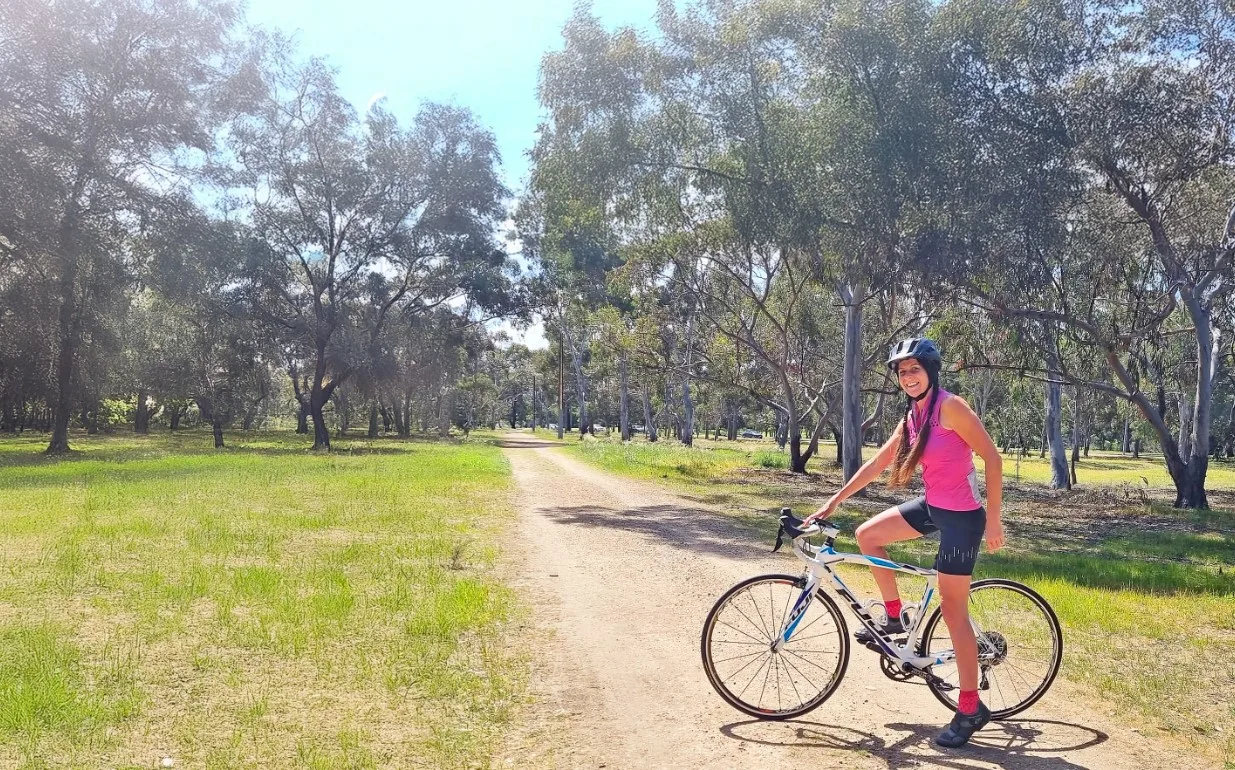
Riding became my sanctuary.
In 2019, I began speaking publicly about my experiences growing up in a cult.
Survivors told me my story gave them courage.
After one talk, a teenage girl approached me.
“You make me feel like I can do anything,” she said.
I went home and cried. That was when I realised my past hadn’t broken me.
Today, I inspire cycling, connection, mental health and community through the TV show I host with my partner, Cycle Adventures with Serafina and Gus.
Noa is now 15.
“You taught me not to be resentful or regretful about life,” he tells me.
There are still nights when memories surface – the sermons, the fear, the rules.
But when I get back on my bike, I remember this: I can’t change the fact that I grew up in a cult, but I can choose what I do with that history.
For me, it means riding forward – not away from the past, but towards a future I’ve built myself.

