




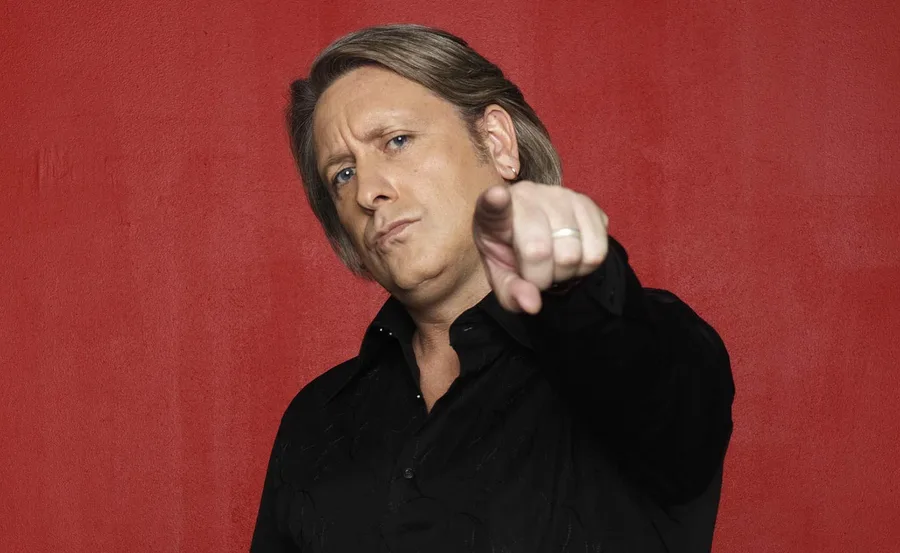
When Ian “Dicko” Dickson joined Australian Idol in 2003, he was already a heavyweight in the music industry, having worked with global stars including Ozzy Osbourne, Oasis and Mariah Carey.
But despite decades spent behind the scenes at record giants Sony and BMG, it was his role as Aussie television’s brutally honest British judge that turned him into a household name.
“You can’t just turn it off,” the 63-year-old tells TV WEEK.
“You exist in this twilight, vaguely famous persona and that is awful because at that point, rather than everyone looking at you and saying, ‘There’s Dicko’, people narrow their eyes and go, ‘Where do I know you from?’”
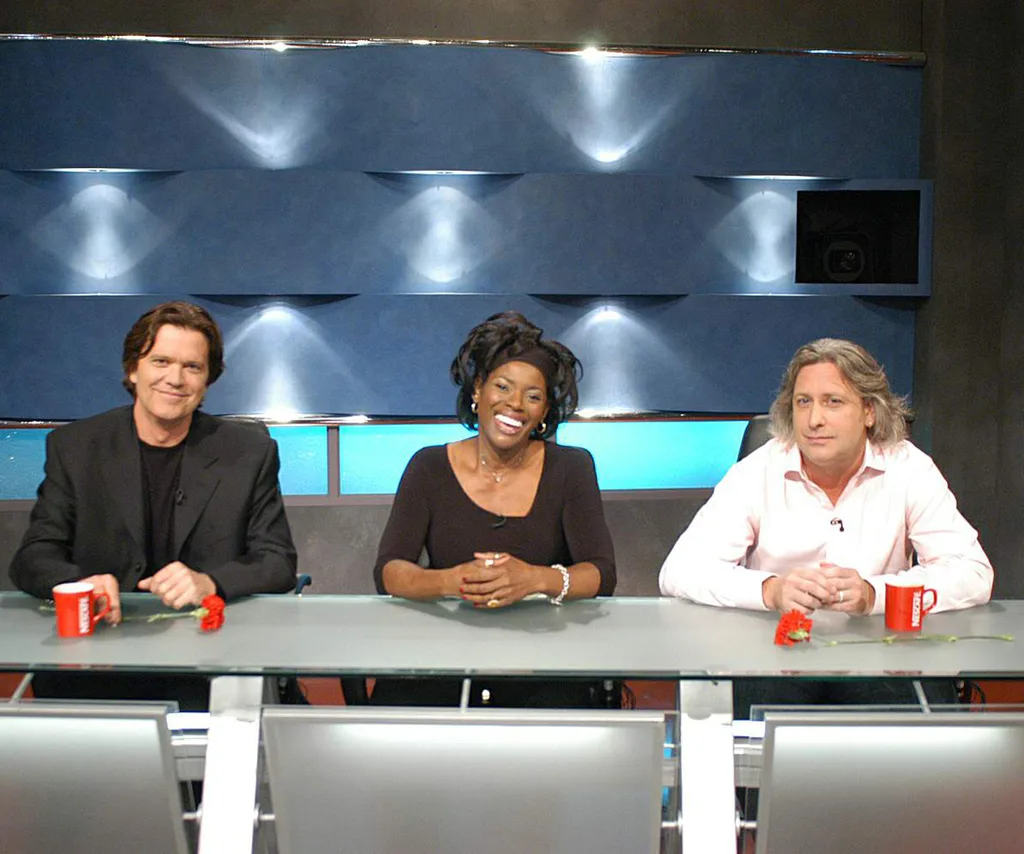
Dicko’s sharp tongue became one of the defining features of the show, although it was also responsible for some of his most controversial moments – including his infamous comments to contestant Paulini.
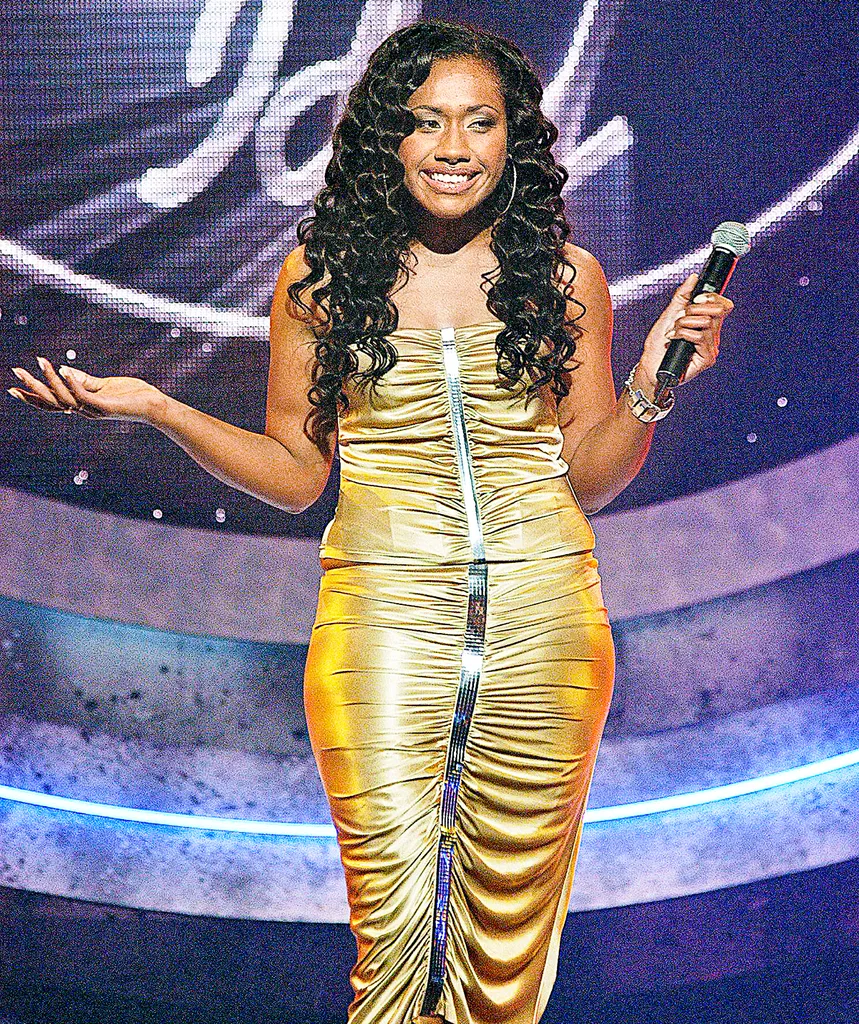
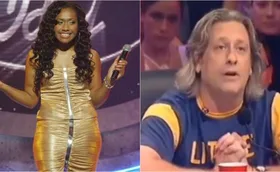
After a performance in a gold dress, Dicko, who is appearing on The Traitors Australia premiere season later this year, told the singer she should “choose more appropriate clothes or shed some pounds” – a remark that sparked national headlines.
“When I made that comment, those mundane words about Paulini and that gold dress, that night my wife and two daughters told me I’d ruined everything,” he recalls.
“It’s hard to regret what I said because it’s a big part of television history, but would I say it these days? Absolutely not.”
More than two decades later, Dicko believes the biggest difference between the original Australian Idol and today’s version isn’t the judges or the contestants – it’s what happens after the cameras stop rolling.
During his time on the show, stars including Guy Sebastian, Ricki-Lee and Paulini used the series as a launchpad to long-term careers. Dicko says that success didn’t happen by accident.
“I was still working at the record company when we had a fantastic plan to catapult Guy into the market,” he says.
“His album became the fastest-selling Australian album since Whispering Jack. That’s what happens when you have somebody on the judging panel who’s actually directing traffic for their career as well.”
It’s that hands-on mentorship that Dicko believes modern talent shows are missing.
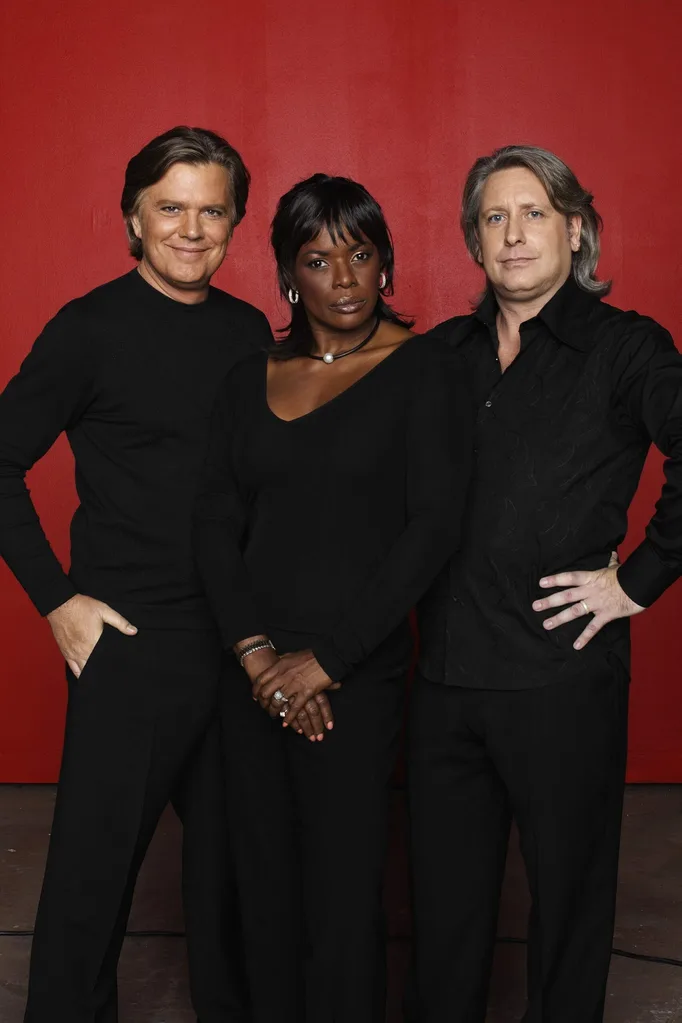
“If I was ever going to do it again, there’d be no reason for me to do it unless I was going to work with that person afterwards and help them become a star,” he explains.
“I like to see the story from start to finish.”
A lot has changed since Dicko’s Idol days. Social media now dominates the entertainment landscape, outrage travels faster than ever and television personalities are expected to tread more carefully.
Dicko admits he’s changed too.
“I look back on the person who said those things in 2003 and it was a different world and I was a different person,” he says. “I’m still an arsehole when I need to be, but I don’t think I’d trot it out as willingly just for a television show.
“I’d rather live my life based on kindness these days. I think that’s a far more powerful force than creating clickbait and outrage. But kindness isn’t terribly sellable.”

TV WEEK is counting down Australia’s top 70 TV shows of all time, one of which is Australian Idol, and we want your vote! You can vote for your top 10 Australian TV shows of all time HERE. Get in quick – voting closes on June 21!

Related stories

Native ad body.
Native ad body.

Native ad body.

Share this post