




Once you’ve smelled the smell, you never really forget it,” says forensic investigator Gordon Drage, recalling the horrifying moment he uncovered the bodies in the barrels, which later became known as the Snowtown Murders.
“We were never supposed to find bodies or barrels. It was just supposed to be a [forensic] photo job.”
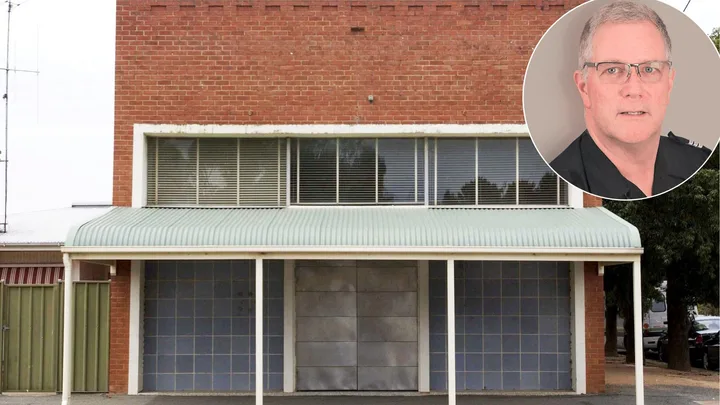
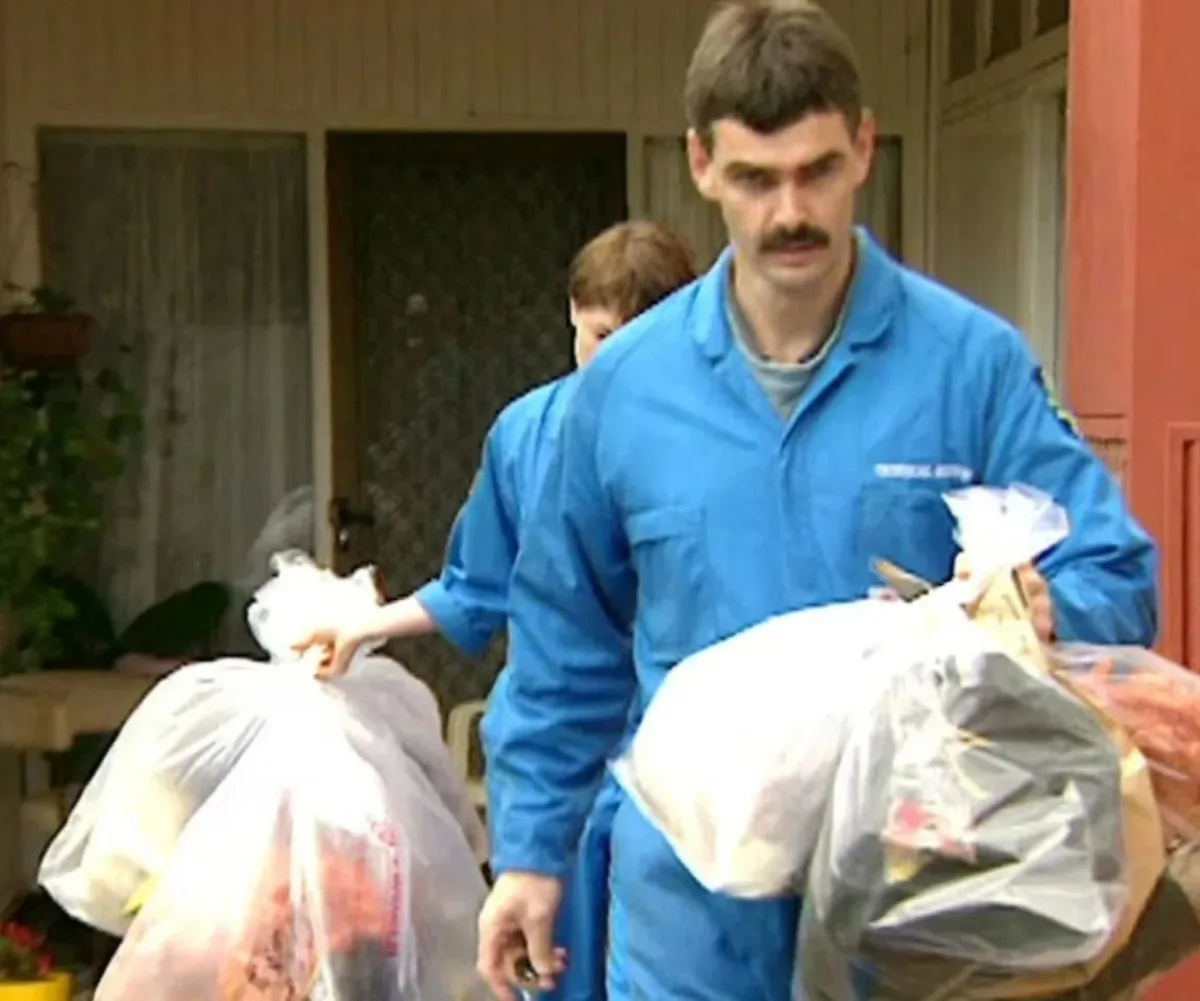
It was May 20, 1999, when Gordon, then 36, and his police colleagues discovered eight dismembered bodies in barrels filled with hydrochloric acid in the Snowtown bank vault, in South Australia’s mid north.
“Once we got there, I was confronted with a sheet of black plastic, it was all sticky taped around the outside and it was only after we peeled the tape off in the middle that the smell came out,” remembers the 63-year-old retired police sergeant.
“Something human was rotting.”
That’s when they called in back-up and the case became a far bigger, more shocking job.
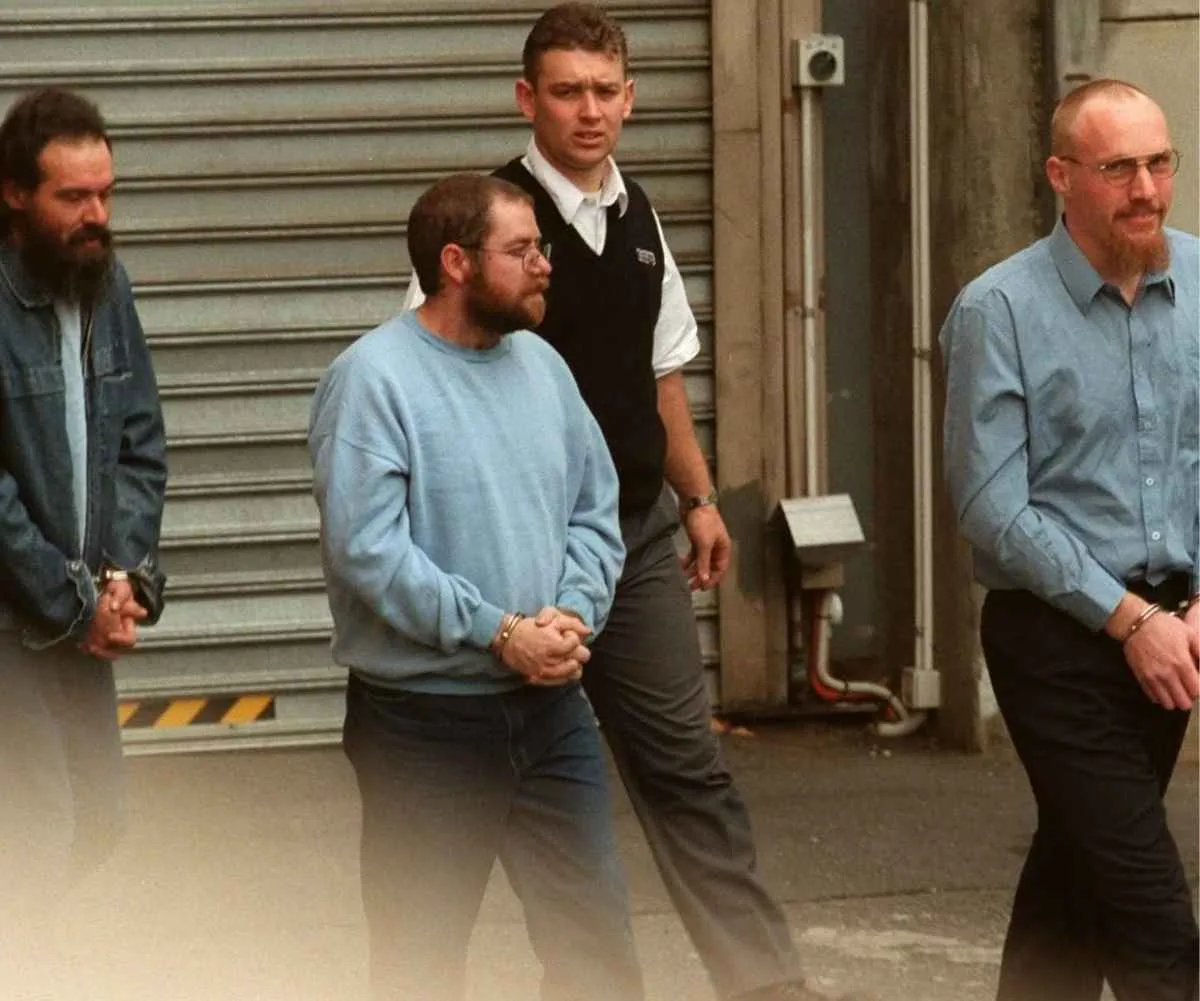
Two years later, the trials began that would see John Bunting, Robert Wagner and James Vlassakis convicted over the horrific murders and Mark Ray Haydon convicted for helping to cover up the crimes. Eight of the 11 victims were found in those barrels, and a 12th death was linked to the killers.
Initially it was thought the killers’ motive was to take the welfare payments of their victims. But gradually a picture emerged that Bunting, the ringleader, was targeting socially vulnerable people for perceived transgressions.
THE PHONE CALL
Gordon believes they “killed for the thrills” as the attacks were often “ritualistic and humiliating” with the men torturing the victims to get recordings of their voices to fool their families and authorities that they were still alive.
Gordon, a young dad at the time, was weeks away from leaving the South Australian Police when he received the call that changed his life, asking him to head to Snowtown to support a junior officer.
Arriving at the police station, Gordon was told he needed to photograph and video the home of an acquaintance of Bunting.
“They told me, ‘We’ve got these missing people.’ There were about 14 of them on the list and the bottom half of the paper had several property items, things like lounge suites, televisions and cabinets.”
Police planned to seize a suspect’s car and wanted Gordon to take pictures and videos of any stolen items in the hope of linking them to the missing people. They estimated it would be a few hours work.
Then, during the raid, Buntings’ acquaintance chillingly revealed the killer had arrived in his four-wheel drive with barrels in the back. When the friend asked what was in them, Bunting responded, “You don’t want to know.”
Bunting was transporting the barrels, which contained the bodies of his victims, to store them at Snowtown’s old state bank.
“He’d been coming back and forth a bit here and there with these things, but this fellow maintained he never asked what was in them, never knew what was in them… until we discovered it.”
It was Gordon who first opened the plastic lid of an old olive barrel.
“I could see a foot and legs in the first one I opened, and a pair of jeans stuffed inside them,” he recalls. “I thought someone’s just been shoved in there headfirst and their feet are sticking out.
“It was then that we knew we had human remains there.”
GRUESOME DISCOVERY
Inside the vault was a big orange garbage bag, full of items, like sneakers and sex toys and items of torture used by the killers. The forensic team photographed and logged everything.
“It’s a painstaking job. I think it was probably a week’s work near enough.”
The trauma of the case impacted his colleague Bronwyn Marsh so much she left the force. For Gordon, it also left its mark.
“It was certainly the biggest case of my career [and] one of the reasons I ended up with PTSD and had a breakdown years later,” he says, adding that other cases in his nearly 37-year-long career also affected him and he would often dream about them.
“You’re exposed to things, particularly in forensics, that some people would say no human should ever see. People do cruel things,” he shares.
Of Vlassakis’ impending release, after the South Australian government failed to block the parole board’s decision, Gordon says the main emotion he feels is shock and notes the victims’ families have been given a life sentence that is far longer and more challenging than the prison term served by him and the other killers.
“I don’t believe there has been any justice in this case,” he says.

Related stories
Native ad body.

Native ad body.


Native ad body.