





We spoke to Dr Joanna Bruce, practice owner and specialist GP and Registered nurse and health coach Anna-Klara Skarp at Myma Health in Sydney, about navigating perimenopause and menopause, from understanding the changes happening in your body to the treatment options and lifestyle shifts that can make a real difference.
As part of this six week special, Dr Bruce and Anna-Klara Skarp share their expert advice on the symptoms to look out for, the latest treatment options and the practical steps women can take to feel healthier, stronger and more like themselves through menopause and beyond.
Skincare solutions
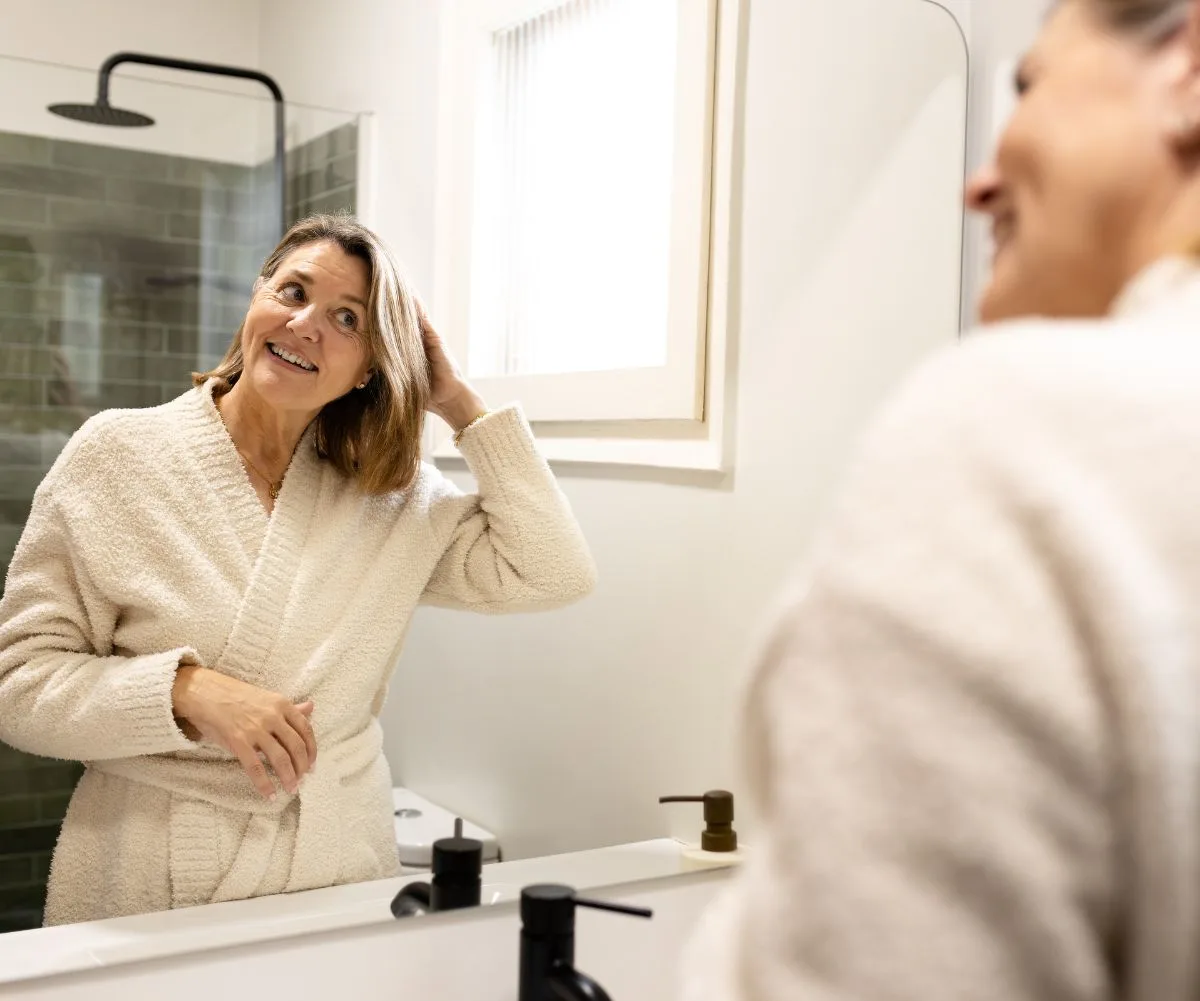
One day your usual moisturiser just seems to stop working, and other differences in your skin may become visible, too. If it feels like these changes have happened almost overnight, you may not be imagining it.
“Because in a sense, you have [changed],” says GP Dr Joanna Bruce from Myma Health. “Oestrogen plays a central role in collagen production, skin hydration and hair follicle health. When oestrogen drops, collagen production falls noticeably. Some studies suggest women lose up to 30 per cent of their collagen in the first five years after menopause,” she says.
That’s why skin can become thinner, drier and less firm, while fine lines seem to appear more quickly.
Why it happens
Registered nurse and health coach Anna-Klara Skarp says the changes aren’t only surface.
“It’s not just the skin,” Anna-Klara explains. “The architecture underneath shifts too. Facial fat pads atrophy and descend, and bone resorption subtly reshapes the jaw, eye area and mid-face. The scaffolding you’ve had your whole life is quietly changing.
“That’s why women look in the mirror and don’t quite recognise themselves. It’s structural, not just surface.”
While those changes can feel confronting, understanding what’s happening can help women make informed choices. “Supporting your skin, bone and muscle from the inside out gives you a strategy, rather than feeling like you’re fighting a losing battle,” says Anna Klara.
Why your hair changes too
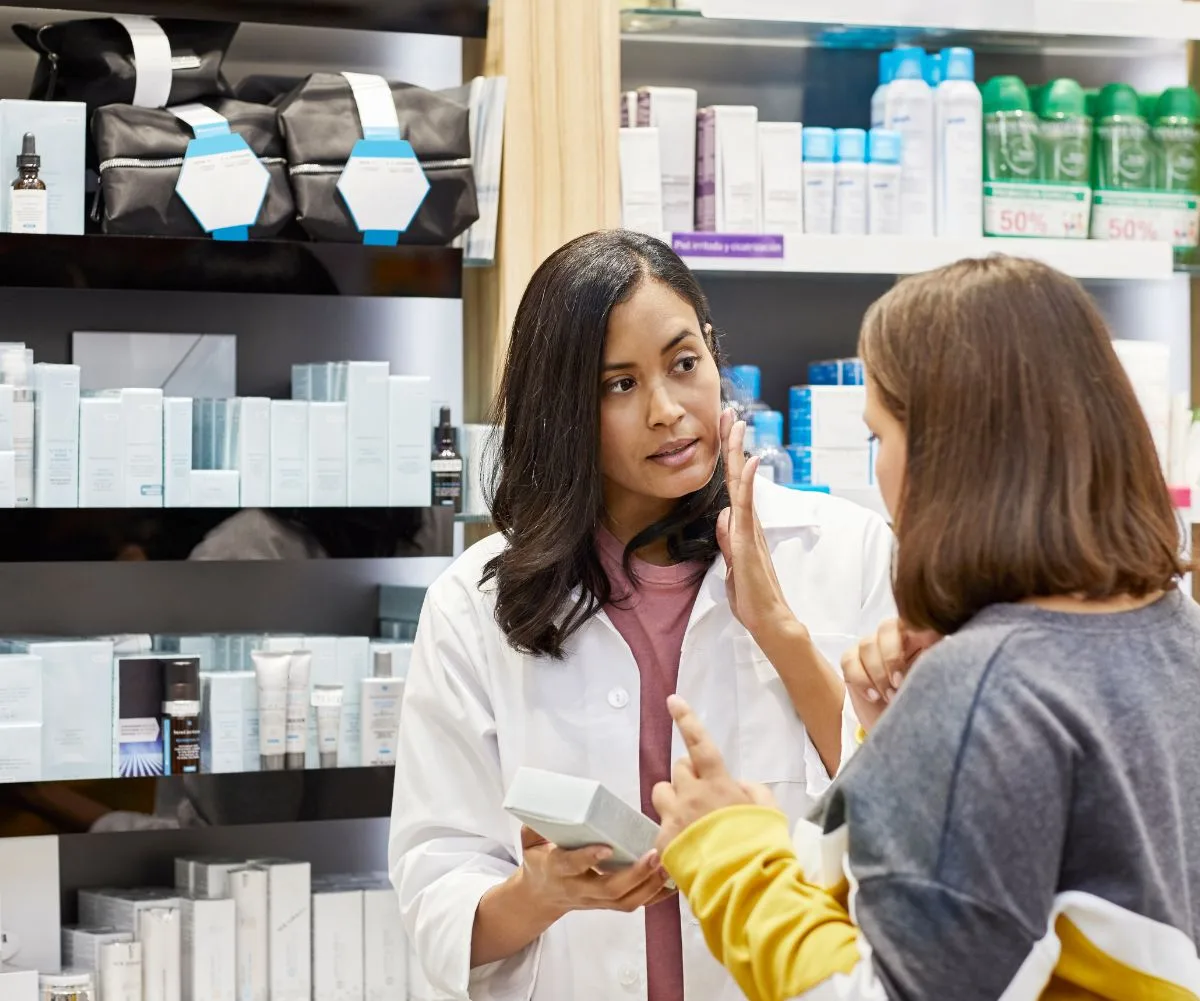
Hormones also affect your hair. “Oestrogen helps support healthy hair follicles,” says Dr Bruce. “As oestrogen and testosterone decline, many women notice diffuse hair thinning. At the same time, some develop more facial hair because of a relative increase in androgen activity.”
If hair loss is sudden or severe, she recommends seeing your GP, as thyroid problems and iron deficiency can also affect hair health.
Beauty starts from within
While there’s no miracle cream, what you eat can make a visible difference. Dr Bruce recommends prioritising protein, which provides the building blocks for collagen and keratin, along with vitamin C for collagen production, zinc for skin repair and omega-3 fats to support the skin barrier.
“As well, collagen peptide supplements have emerging evidence for improving skin elasticity,” she says.
Dr Bruce also suggests limiting excess sugar and alcohol, which can accelerate collagen breakdown, and staying well hydrated.
Anna-Klara reminds us that one daily habit beats almost every expensive beauty product.
“Stay out of the sun,” she recommends.
“And always wear an SPF on your face. Ideally, choose one that also protects against blue light, which also contributes to skin ageing.”
Keep it simple
If your skin suddenly feels unfamiliar, resist the temptation to overhaul your bathroom cabinet. Dr Bruce recommends starting with the basics – a gentle cleanser, a moisturiser containing ceramides or hyaluronic acid and a broad-spectrum SPF 50 every day.
Once that routine’s established, consider gradually adding a retinoid.
“It’s the most evidence-based topical ingredient we have for stimulating collagen and supporting skin renewal,” she says.
Vitamin C serums, peptide creams and professional treatments such as microneedling may also help – but only after you’ve established a consistent skincare routine.
Menopause changes your skin because your biology is changing – not because you’ve done anything wrong.
Looking after yourself from the inside out won’t stop the ageing process, but it can help your skin stay healthier, stronger and more resilient for years to come.

5 beauty habits that really work
- Wear SPF 50 every day Sun protection is the most effective anti-ageing skincare step
- Eat enough protein Aim to include protein with every meal to support collagen and healthy hair
- Hydrate inside & out Drink plenty of water and use a moisturiser with ceramides or hyaluronic acid
- Add a retinoid Introduce retinol gradually to support collagen production and skin renewal
- Don’t ignore hair loss If thinning HAIR is significant or sudden, speak to your GP to rule out thyroid problems or iron deficiency
Brought to you by Bio Island.
Proudly 100% Australian made and owned, Bio Island has been championing family health from pregnancy, infancy and beyond for close to two decades. We are committed to providing quality, evidence based nutritional solutions for every member of your family.

Related stories
Native ad body.

Native ad body.



Native ad body.



Share this post