“1.3 million sick kids helped since 2019 is the number that matters most to us.”
That’s how Hospitals United for Sick Kids chair, Carrie Barker, sums up what the national alliance of eight state-based children’s hospitals and foundations has achieved, as it releases its latest impact report.
And it’s a number that keeps growing. The alliance has now raised $15 million since 2019, including more than $3.5 million in the past financial year alone, a 36 per cent jump on the year before. That money has funded over 100 projects, treatments, equipment and clinical positions.
“For a young national alliance, what has been achieved in such a short period is remarkable,” Carrie says. “By bringing together national brands, retailers, media partners and our hospital network partners, we are creating a sustainable model of support for children and families across Australia.”
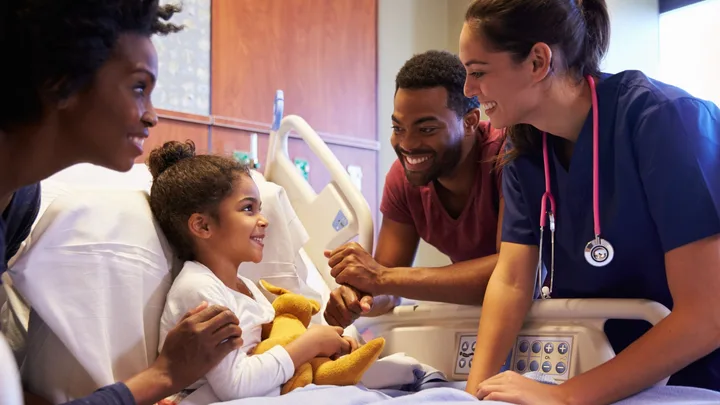
The alliance’s goal is simple: get sick kids back home, and make the time they do spend in hospital feel as close to home as possible.
Where the funding goes
From therapy dogs to virtual care, the funding goes to projects that make hospital stays less disruptive and keep families closer to home. Here’s a glimpse of what’s happening around the country, across three pillars.
1. Making hospital feel like home
- ACT: The Delta Therapy Dogs Program at the Centenary Hospital for Women and Children
- SA: A Music Therapy Program at the Women’s and Children’s Hospital in Adelaide
- QLD: A Child Life Therapy Program at Caboolture Hospital
2. Reducing time spent away from home
- NSW: Precision Dosing of Anticancer Therapy at The Children’s Hospital at Westmead
- TAS: The Cast Away TAS wrist splints trial at Royal Hobart Hospital
3. Bringing hospital-grade care at home or closer to home
- NSW: Virtual Acute Review at John Hunter Children’s Hospital
- VIC: Hospital in the Home at Monash Children’s Hospital
- WA: The CONNECT CP Program at Perth Children’s Hospital
Hospitals United for Sick Kids has funded 100 projects, helping 1.3 million sick kids nationally. We support kids in every state and territory, every illness, every injury, getting them home to the things they miss. Our 8 state-based hospital partners turn national reach into local impact. To help, buy the products where you see us.
How your shop helps
So where does the money come from? Hospitals United teams up with big-name brands on a “product for purpose” model, giving Aussies an easy way to give back with their everyday shop.
In the past year, that reached more than 2,300 retail locations, and the cause connected with 19 million Australians through its media reach.
Coles has been their long-standing partner, helping sick kids get home since 2019 with their annual fund-raising campaign. Arnott’s and Swisse Wellness have backed the cause for three years running as supplier partners for this campaign, while Kellogg’s and Grinders came back for a second year. New to the line-up this year were Bird’s Eye, Paddle Pop, Golden Circle, M&M’s, Maltesers and MasterFoods. Lowes and Duracell have also supported Hospitals United by putting products on shelf that give back.
Getting involved is easy. Simply buy products from the brands supporting Hospitals United for Sick Kids, and look out for their logo on the packaging or in aisle.
Meet Blip
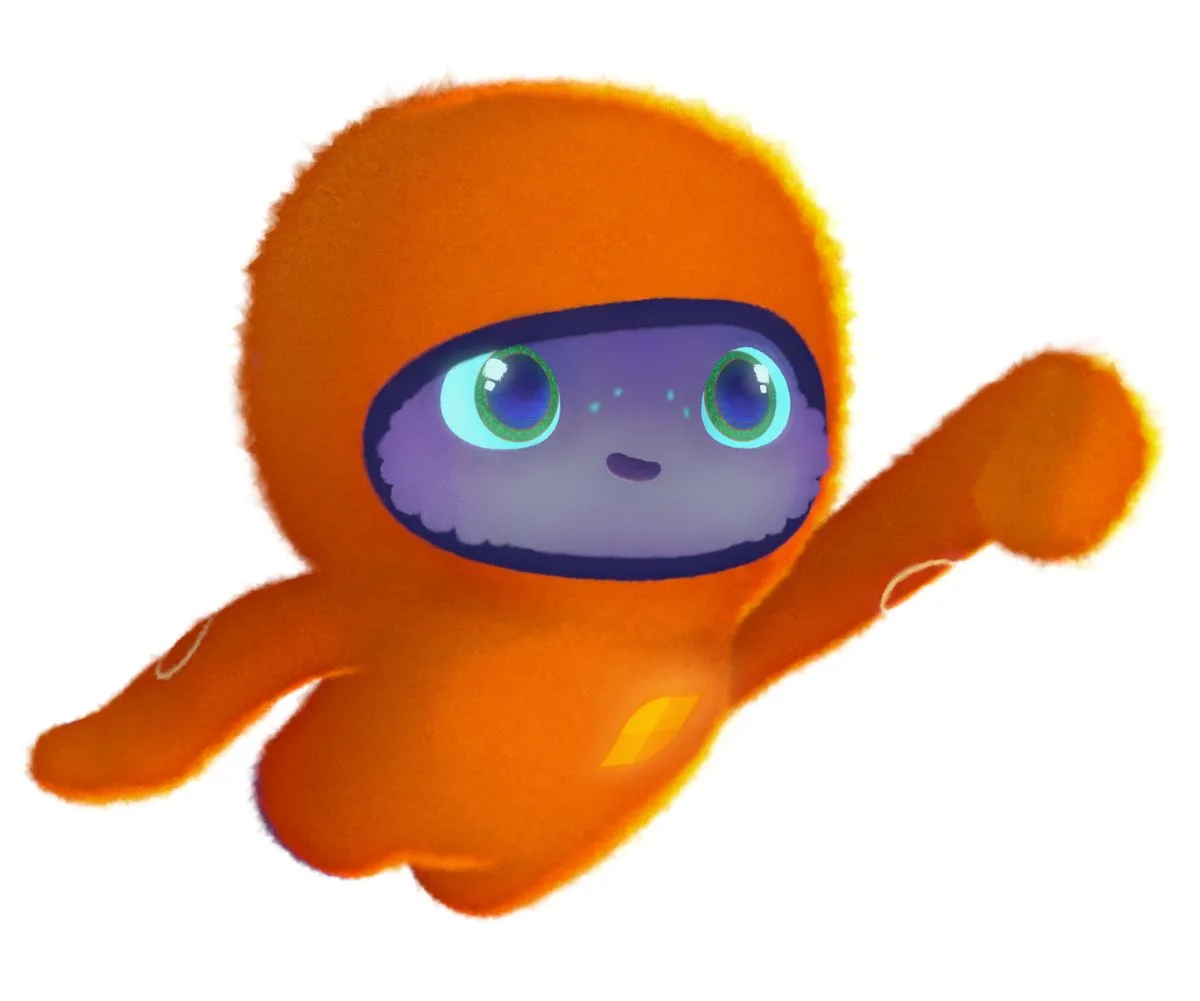
Blip is the cute space creature whose own journey mirrors that of sick kids trying to get home. Blip is fast becoming the face of the cause and is increasingly recognisable to Gen Z and Millennials.
GM Ann Billington says it shows what’s possible “when corporate purpose and community compassion come together”.
Next year, the goal stays the same: helping more sick kids get home to the things they miss, with the right care in the right place.


Related stories
Native ad body.
Native ad body.

Native ad body.