Are you in a race to get your hands on a new TV before the Commonwealth Games start? Maybe you want to watch your favourite footy code from the comfort of your armchair on a TV that allows you to feel like you’re on the field.
Whatever the reason you have for upgrading your TV, it can be confusing choosing the best one for you. Should you go OLED, QLED or Mini-LED TV?
Let’s find out…
How important in resolution?
Resolution means the number of pixels that make up an image on the screen. The more pixels, the sharper and more life-like your picture will be. For example, a 4K UHD (2160p) TV has four times the pixel count of Full HD.
So, when you’re watching sporting matches on a large screen, resolution is important.
What is panel technology?
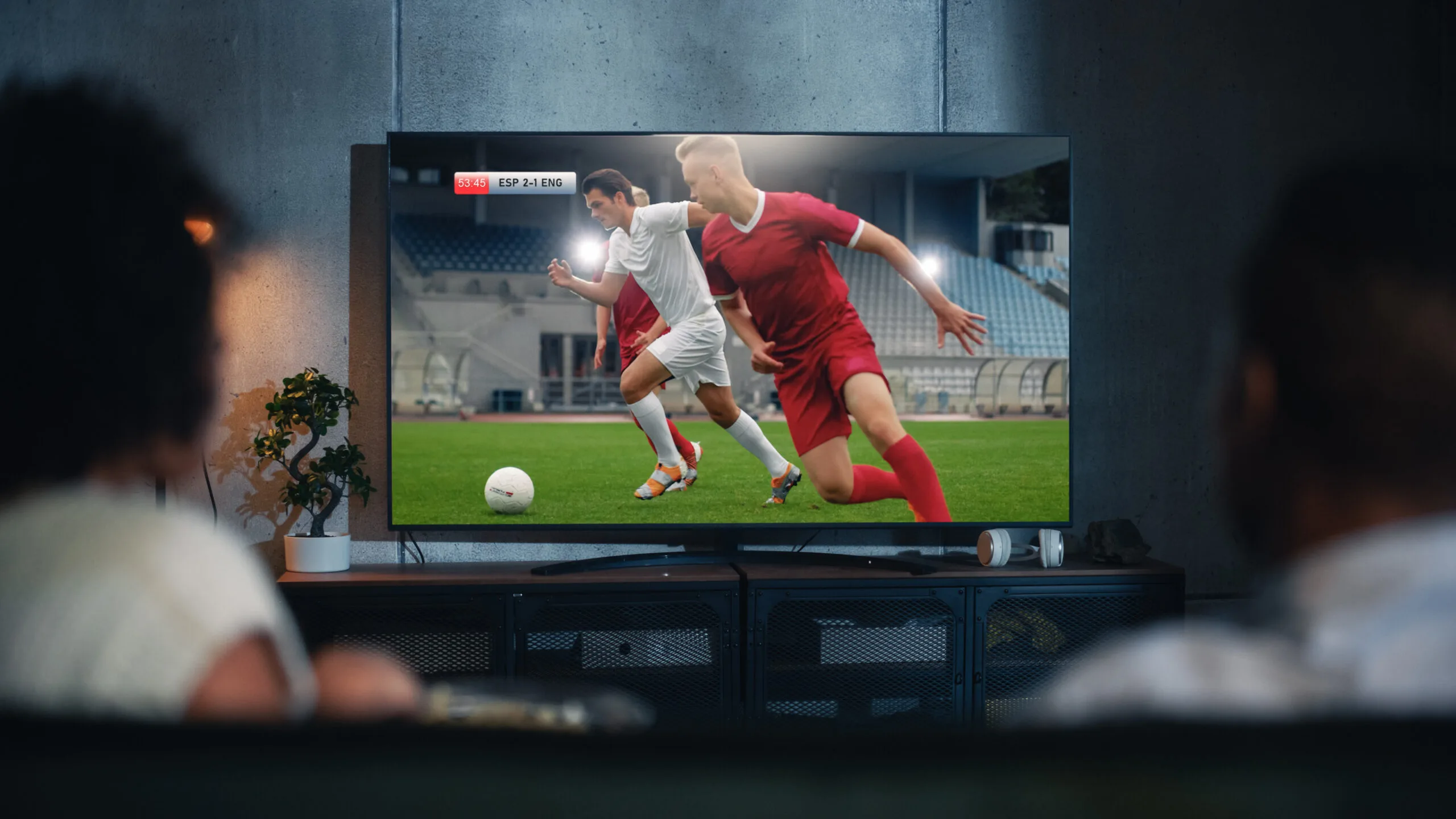
Resolution isn’t the only thing that determines the TV picture. Panel technology refers to the type of screen inside your TV and it also plays a key role in how bright and lifelike the image of a runner looks on your screen as they’re hurtling down the track towards a gold medal. LED TVs use backlighting and are a great all-round option for watching sport, movies and episodes of your favourite dating reality show.
QLED TVs go one step further than traditional LED technology by adding a layer of microscopic quantum dots. Samsung QLED TVs offer great performance in bright rooms. OLED TVs, on the other hand, light each pixel individually. They are renowned for producing deeper black colours on screen and are good for fast-moving sport and action scenes. LG are the leaders in this market.

An alternative and highly attractive option are Mini-LED TVs like TCL’s new SQD Mini-LED TVs range, which combine Mini-LED backlighting with Super Quantum Dot colour technology to produce a richer image than conventional LEDs.
Also, a better control of light across the screen means less “glowing” around dark objects.
They also come with Google TV for easy access to streaming apps and support Dolby Vision and Dolby Atmos for that theatre-quality sound.

What size TV should you buy?
Size really does matter, when it comes to TVs.
Generally speaking, the farther you sit from the TV, the larger the screen you can comfortably watch.
Ideally, a 65-inch TV can be viewed at a distance of 2-2.5m away, while a 75-inch TV is considered comfortable from about 2.5–3 metres away.


Related stories

Native ad body.

Native ad body.




Native ad body.