
For many of us, there may come a time when we need to speak up for a loved one. However to represent them properly it’s every bit as important to pay attention to their real wants and needs.
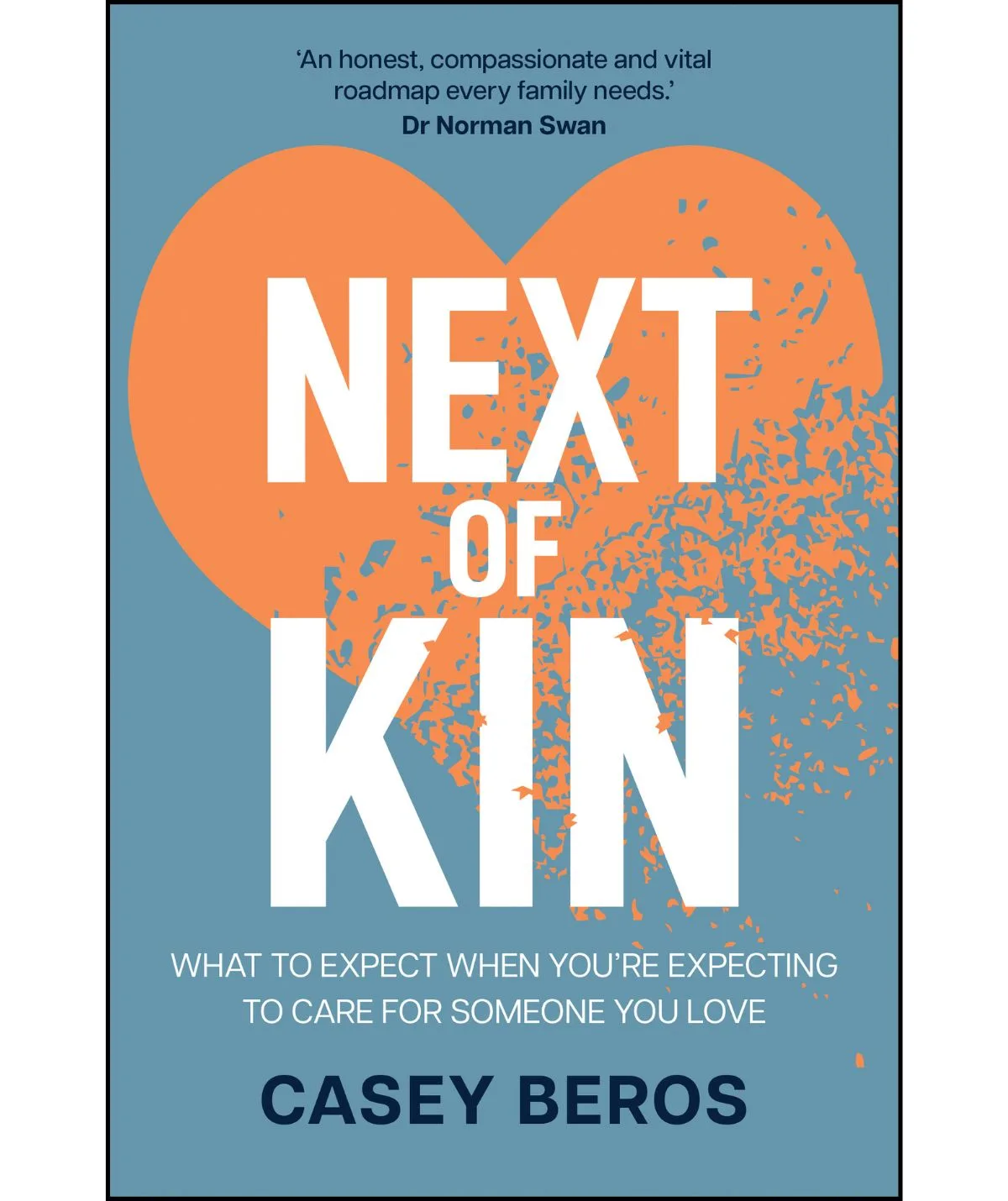
Casey Beros, author of Next of Kin explains why striking this delicate balance is key to being a good advocate.
KNOW THEIR GOALS
Imagine going to a football match. The players enter the field, the crowd goes wild. The siren sounds and the ball starts flying around, players passing it deftly back and forth as they shift it from one end of the field towards the other. When they get there, you see them looking around, confused.
You realise it’s because there are no goalposts, so they don’t know what they’re aiming for or what constitutes a goal, much less a win. Not being clear on what you’re advocating for is the equivalent but – depending on the situation – may have much higher stakes.
Being clear on the goal is vital, and the hardest part is that the person we’re advocating for:
- May not know what they want
- May not be able to communicate what they want (physically or emotionally)
- May change what they want over time
- May know what they want in theory and then find out it’s not actually what they want when faced with the reality.
COMMUNICATION IS CRITICAL
It’s often not a one-and-done conversation, but rather a series of discussions that evolve our understanding of what someone wants or needs and, as such, what we are advocating for.
You know your person best; if they’ve never been good at talking about hard things, it’s unlikely they’re going to start now. Facing illness is like putting ourselves under a magnifying glass – we usually become more of whatever we already were.
If we’re grumpy, we get grumpier. If we’re introverted, we get more introverted. And if we’re fiercely independent, we try to stay fiercely independent.Knowing how to advocate for someone you love is a combination of understanding them and how they operate, and communicating with them about their wants and needs so you don’t have to operate on guesswork.
START THE CHAT
How this works in reality will vary wildly depending on your situation. Here are some questions you might consider asking your person before you go into an important appointment with them.
- “Hey, how are you feeling going into this?” Are they nervous? Agitated? Overwhelmed? Hopeful? This will help you manage their emotional state, or at the very least manage your won in the face of it.
- “What are you wanting to get out of this appointment?” This is the most powerful question of all, because it allows you to set a clear intention for what you’re hoping to achieve, and then to feel a sense of success of at least know when you have achieved that. For example, they might want to achieve a greater understanding f their treatment options, find out the answer to a very specific question, get particular symptom under control or request a referral to someone. Knowing the answer to this question before you go in, and remaining flexible if what you/they want is not achievable in that appointment for whatever reason, will help you know if the appointment has been valuable and effective.
- “Do you feel up to chatting to the doctors? Do you want me to contribute, or do you just want me to be there in support and let you run the show?” This is about understanding their expectations of how you’ll behave. They may not know the answer, but if they do, that’s a valuable guide as to how you should act. Do they need you to ask the hard questions? Act as their memory? Just be moral support? For some, being spoken for feels diminishing. But others might be grateful to not have to come up with the words.

SUPPORT AT HAND
Advocates work at the direction of the individual, reflecting their preferences and rights – not what others think is “best” for them.
OPAN is the national peak body for individual aged care advocacy, offering free, independent and confidential support available to any older person (or their family and carers) experiencing issues with aged care. ‘We encourage older people to reach out – through our national network we’re here to listen, to support, and to stand alongside you,” Craig Gear, CEO of OPAN says.
Access the Self-advocacy toolkit on OPAN’s website – opan.org.au. Call the Aged Care Advocacy Line on 1800 700 600 for free, confidential advice and support or access the Self-advocacy toolkit on OPAN’s website. opan.org.au

Related stories

Native ad body.

Native ad body.



Native ad body.