





We spoke to Dr Joanna Bruce, practice owner and specialist GP and Registered nurse and health coach Anna-Klara Skarp at Myma Health in Sydney, about navigating perimenopause and menopause, from understanding the changes happening in your body to the treatment options and lifestyle shifts that can make a real difference.
As part of this six week special, Dr Bruce and Anna-Klara Skarp share their expert advice on the symptoms to look out for, the latest treatment options and the practical steps women can take to feel healthier, stronger and more like themselves through menopause and beyond.

Feeling unusually anxious, tearful, irritable or forgetful? During perimenopause, it can sometimes feel as though you’ve become a different person overnight.
But there are good reasons for the emotional rollercoaster, and understanding what’s happening can make it much easier to navigate the symptoms.
Is meno-rage real?
“Perimenopause can feel like an emotional rollercoaster because oestrogen modulates serotonin, dopamine and GABA, the neurotransmitters most central to mood regulation,” explains GP Dr Joanna Bruce from Myma Health.
“As oestrogen fluctuates, so do these chemical messengers, producing unpredictable shifts in emotional state.”
And it’s not just oestrogen. “Progesterone’s calming effect is also reduced,” she says.
Then add everything else happening in midlife. “Sleep deprivation, physical discomfort, life stressors – often peaking at midlife, with ageing parents, teenagers and career pressures – and identity shifts all layer onto the hormonal volatility.”
In other words, if you find yourself crying over something that normally wouldn’t bother you, snapping at your partner or feeling anxious for no obvious reason, there may be more going on than simply having a bad day.
Practise self-care
The basics matter more than ever. “Regular physical activity, especially strength training and walking, consistent sleep, stable blood sugar through nutrition, stress management practices such as breathwork, mindfulness and time in nature, social connection, and limiting alcohol,” can all support mental clarity and emotional regulation, says Dr Bruce.
Hormonal changes may also need addressing. “Whether through HRT or other interventions, addressing hormonal changes can have a profound effect on brain symptoms.”
When to ask for help
While mood changes can be part of perimenopause, you don’t have to simply put up with them.
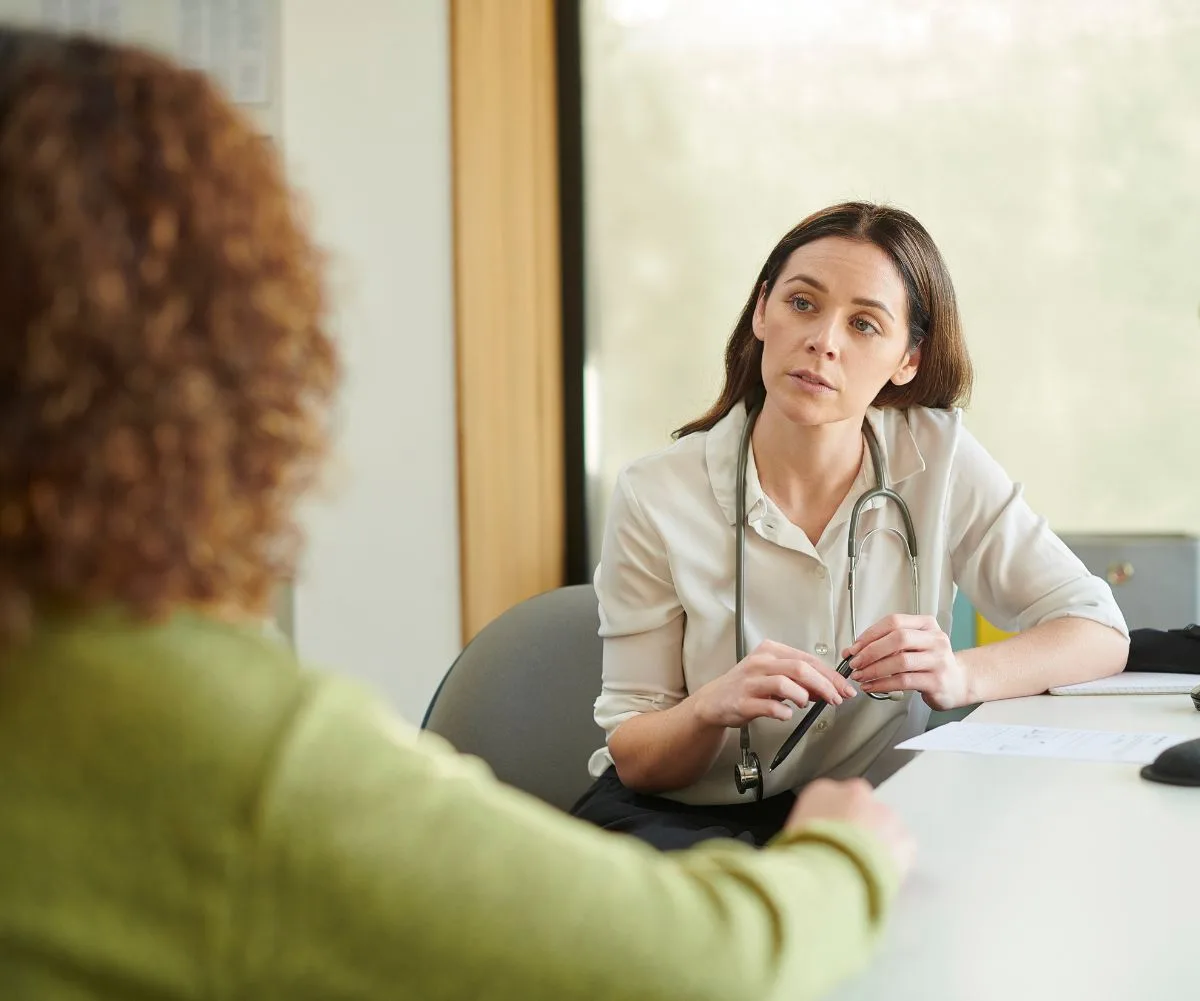
“If mood symptoms are significantly affecting daily functioning, relationships, work or your ability to experience enjoyment, that warrants professional support, not just symptom management,” says Dr Bruce.
The same applies if your anxiety is constant rather than cyclical, or you feel you are “no longer yourself across the board”.
A good starting point is a GP who understands perimenopause and can assess whether symptoms are primarily hormonal, psychological or a combination of both.
From there, you may be referred to a therapist, psychiatrist or menopause specialist.
Most importantly, struggling with your mood during menopause isn’t a personal failure. Your brain and body are going through a significant transition – and there is help available while you find your new equilibrium.

Brought to you by Bio Island.
Proudly 100% Australian made and owned, Bio Island has been championing family health from pregnancy, infancy and beyond for close to two decades. We are committed to providing quality, evidence based nutritional solutions for every member of your family.

Related stories

Native ad body.
Native ad body.



Native ad body.