





We spoke to Dr Joanna Bruce, practice owner and specialist GP and Registered nurse and health coach Anna-Klara Skarp at Myma Health in Sydney, about navigating perimenopause and menopause, from understanding the changes happening in your body to the treatment options and lifestyle shifts that can make a real difference.
As part of this six week special, Dr Bruce and Anna-Klara Skarp share their expert advice on the symptoms to look out for, the latest treatment options and the practical steps women can take to feel healthier, stronger and more like themselves through menopause and beyond.
Rethink your workouts
During perimenopause and menopause, hormonal changes can alter the way your body responds to exercise. The workouts that once kept you fit now leave you exhausted – or may even seem to have stopped working altogether. The good news is you don’t have to push yourself harder to see results – you just need to train smarter.
Understand your obstacles
When it come to midlife fitness, several factors come into play.
“Declining oestrogen reduces the body’s ability to recover from exercise stress, muscle mass decreases – sarcopenia [age-related loss of skeletal muscle mass, strength, and physical function] begins in your 30s and accelerates – sleep disruption impairs recovery and rising cortisol sensitivity means high-intensity training can feel more depleting,” GP Dr Joanna Bruce from Myma Health says. “The body is no longer in the same hormonal environment, so the same inputs produce different outputs.”
Health coach and registered nurse Anna-Klara Skarp adds another important piece to the puzzle. “Many women under-eat and don’t have enough fuel to benefit from the training they’ve done,” she explains.
So, if you’re exercising more but eating less in an effort to manage your weight, your body may simply not have enough energy to recover and adapt.
Start lifting
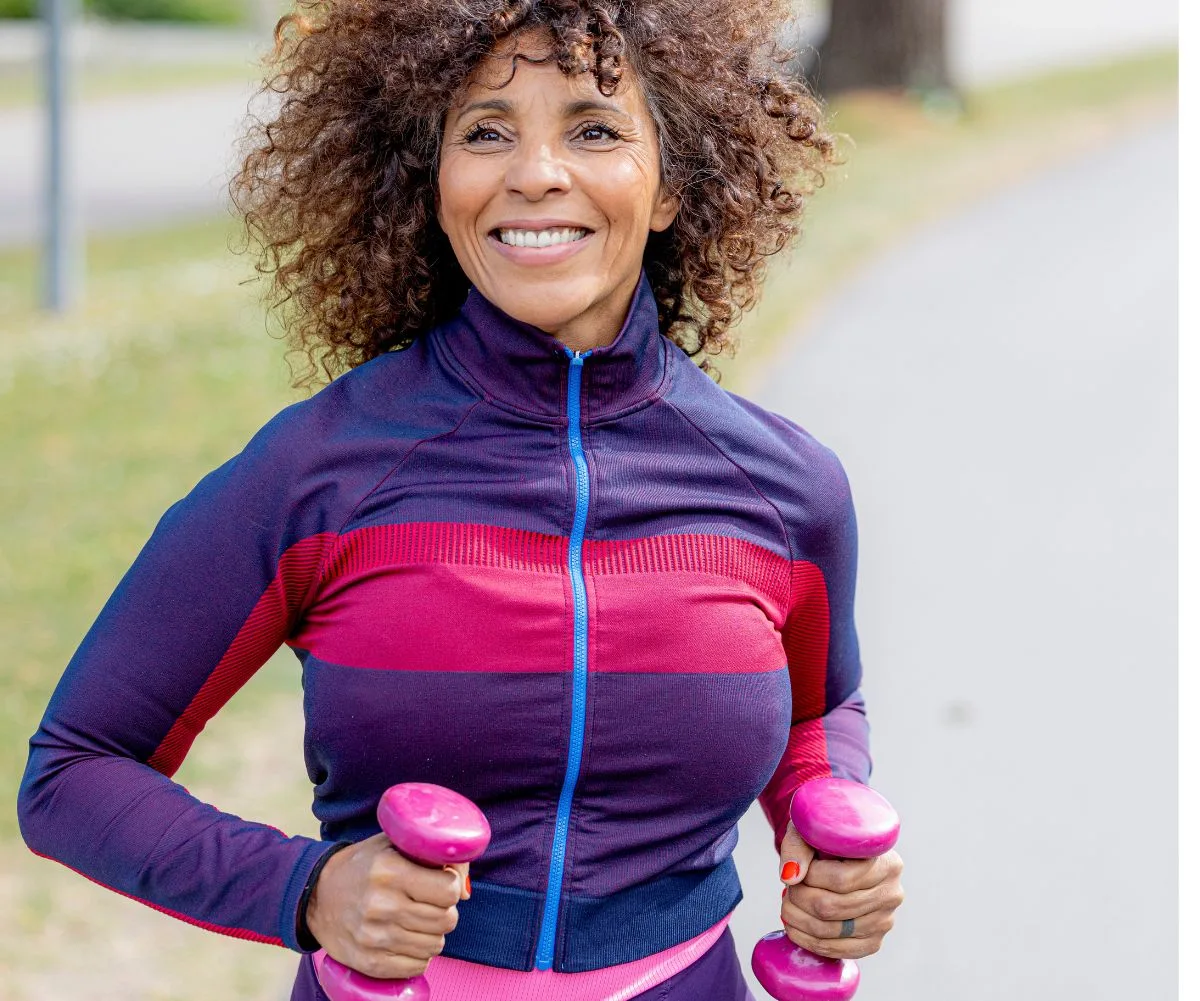
“Strength or resistance training is the single most important shift,” says Dr Bruce. “Lifting weights preserves and builds muscle mass, improves insulin sensitivity, supports bone density and boosts metabolism.”
And there are benefits beyond the physical. “It also has positive effects on mood and cognitive function,” she says.
Strolling deserves a starring role, too. “Walking is also highly valuable – it manages cortisol, supports cardiovascular health, and is sustainable long-term.”
Stress less about intensity
According to Dr Bruce, fast, high-intensity exercise can work against women at this stage. “High-intensity exercise triggers a cortisol response and in perimenopause the body can struggle to down-regulate cortisol effectively – particularly when sleep is poor,” she says.
“Excessive HIIT without adequate recovery can increase fat storage (especially abdominal), worsen sleep and increase the risk of injury.”
That doesn’t mean you have to ditch your favourite fast-paced workout. Instead, Dr Bruce suggests “one to two HIIT sessions per week, balanced with strength training and lower-intensity movement”.

Keep things sustainable
There’s no need to come up with a complicated training schedule. Dr Bruce suggests a simple template.
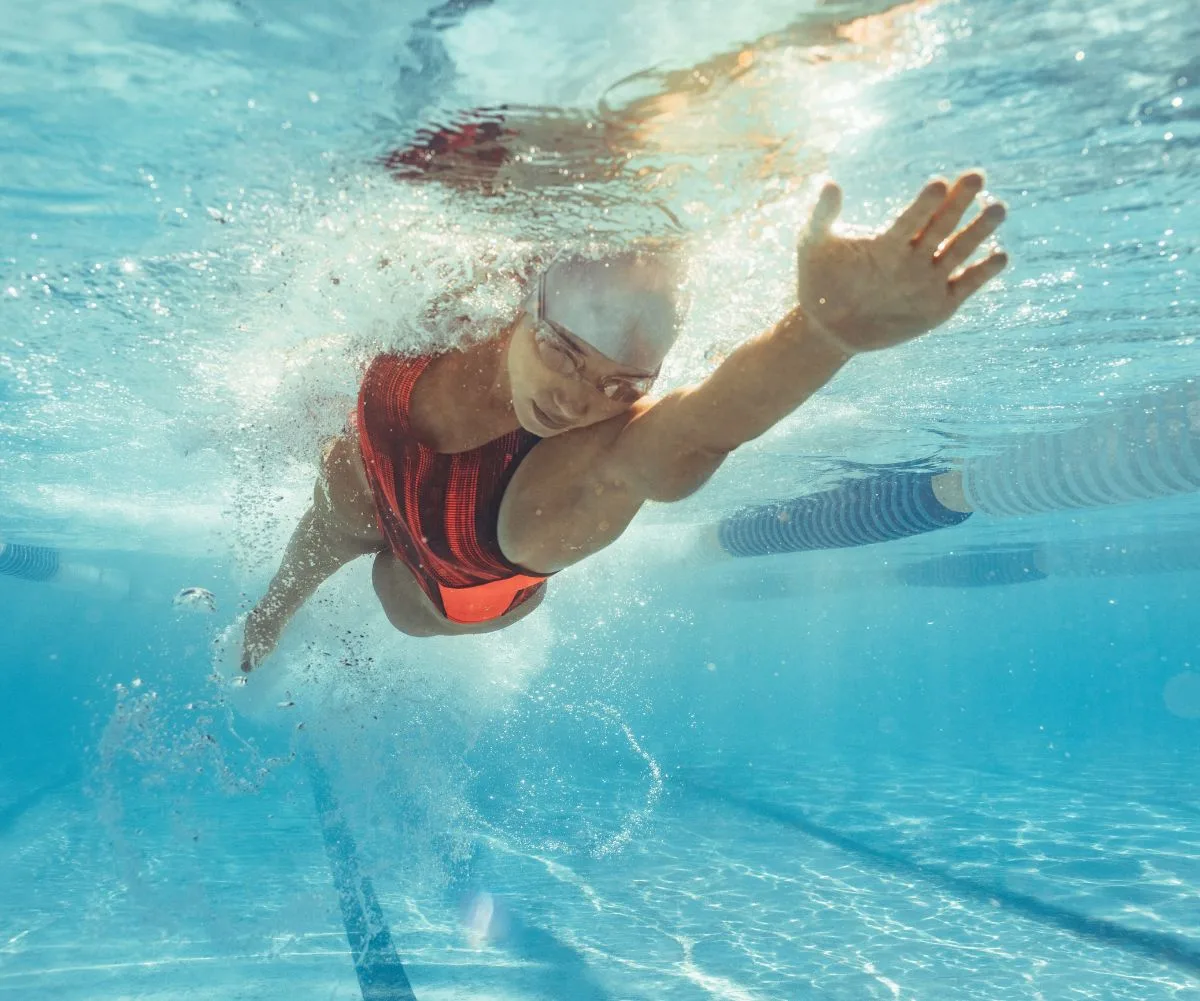
“Two to three strength training sessions, one to two moderate-intensity cardio sessions – cycling, swimming or brisk walking – one HIIT or sport session if desired and daily walking,” he says.
The important thing is to find a combination that you enjoy and can maintain. You don’t have to smash every workout to get results either – consistent movement across the week matters more than any one single session.
Prioritise rest
“Rest and recovery are not optional – they’re part of the programme,” says Dr Bruce.
That can be difficult to hear if you’ve spent years believing that more exercise is always better. But during menopause, giving your body time to recover is just as important as challenging it.
You don’t need to always train harder to stay fit through menopause. Instead, think about giving your changing body the right kind of challenge – along with enough time and fuel to recover.
Seven-day rotation
Two to three weekly strength sessions
• Full-body weights or upper and lower-body sessions
One to two moderate weekly cardio sessions
• Try cycling, swimming or brisk walking
One weekly hiit or sport session
• If your body feels good, go for it
Daily low-impact movement
• Walk regularly and avoid sitting for long periods.
Don’t forget Rest days are never a waste. Your muscles, bones and nervous system need time to recover and adapt between harder sessions.
Brought to you by Bio Island.
Proudly 100% Australian made and owned, Bio Island has been championing family health from pregnancy, infancy and beyond for close to two decades. We are committed to providing quality, evidence based nutritional solutions for every member of your family.

Related stories

Native ad body.

Native ad body.




Native ad body.


Share this post