NEED TO KNOW
- Kristen was born with type of dwarfism known as achondroplasia.
- She underwent limb-lengthening surgery at 12, gaining 36cm in height.
- At 29, she developed spinal stenosis and endured 13 operations and chronic pain.
- After a dark period, Kristen underwent further surgeries and rehabilitation to get back on her feet.
- She is now a patient advocate and disability activist, turning her journey into a book.
- Kristen DeAndrade, 40, shares her story…
As I climbed up into my chair in the classroom, two boys sniggered.
“Midget,” one whispered.
Even at six, I knew I was different. I’d been born with the most common form of dwarfism, achondroplasia, preventing bone growth in the arms and legs.
Thankfully, the cruel comments stopped when the teacher intervened.
Read more: This mum with dwarfism doesn’t let anything hold her back, not even losing three babies
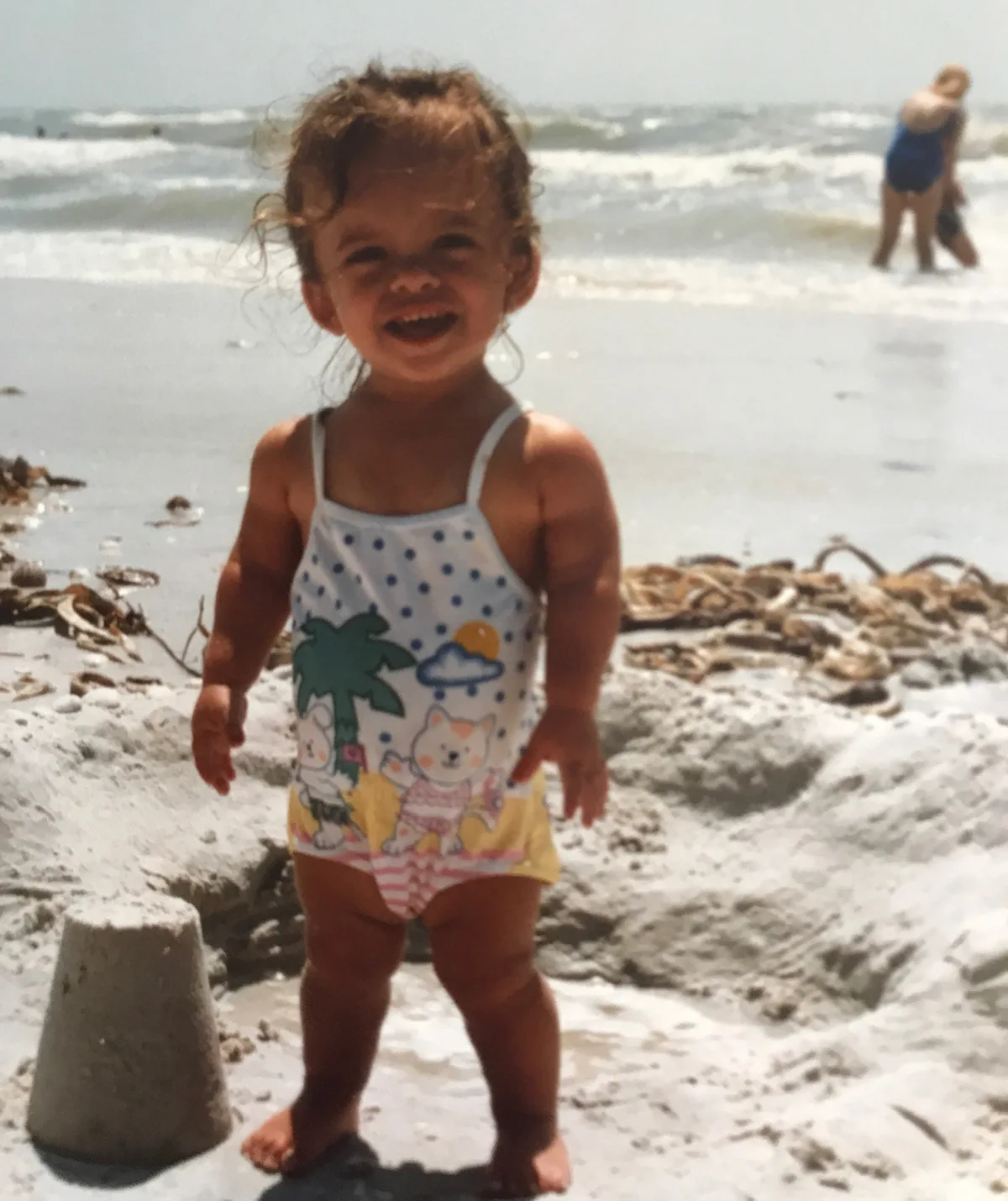
Outside school, however, people stared. It upset my mum, Lynn, 44.
“I’m fine,” I lied, so she wouldn’t worry.
Mum, my dad Joe, 39, and brother Derek, three, hadn’t been diagnosed with achondroplasia. The reason I had it was just a fluke of genetic mutations.
At home, Mum collected cuttings on limb-lengthening surgery.
When I was eight, I read how my bones could be broken and my limbs put in fixators, which would pull my bone apart for new bone to grow.
“Can I have it done?” I asked Mum.
“It’s your choice,” she said.
“I’d like to,” I decided.
I wanted to be able to reach things and sit on a normal-sized chair.
A teacher at school encouraged me to share my story with our class. My best friend Liz and I made a video to show our size differences, holding our arms together and standing side-by-side.
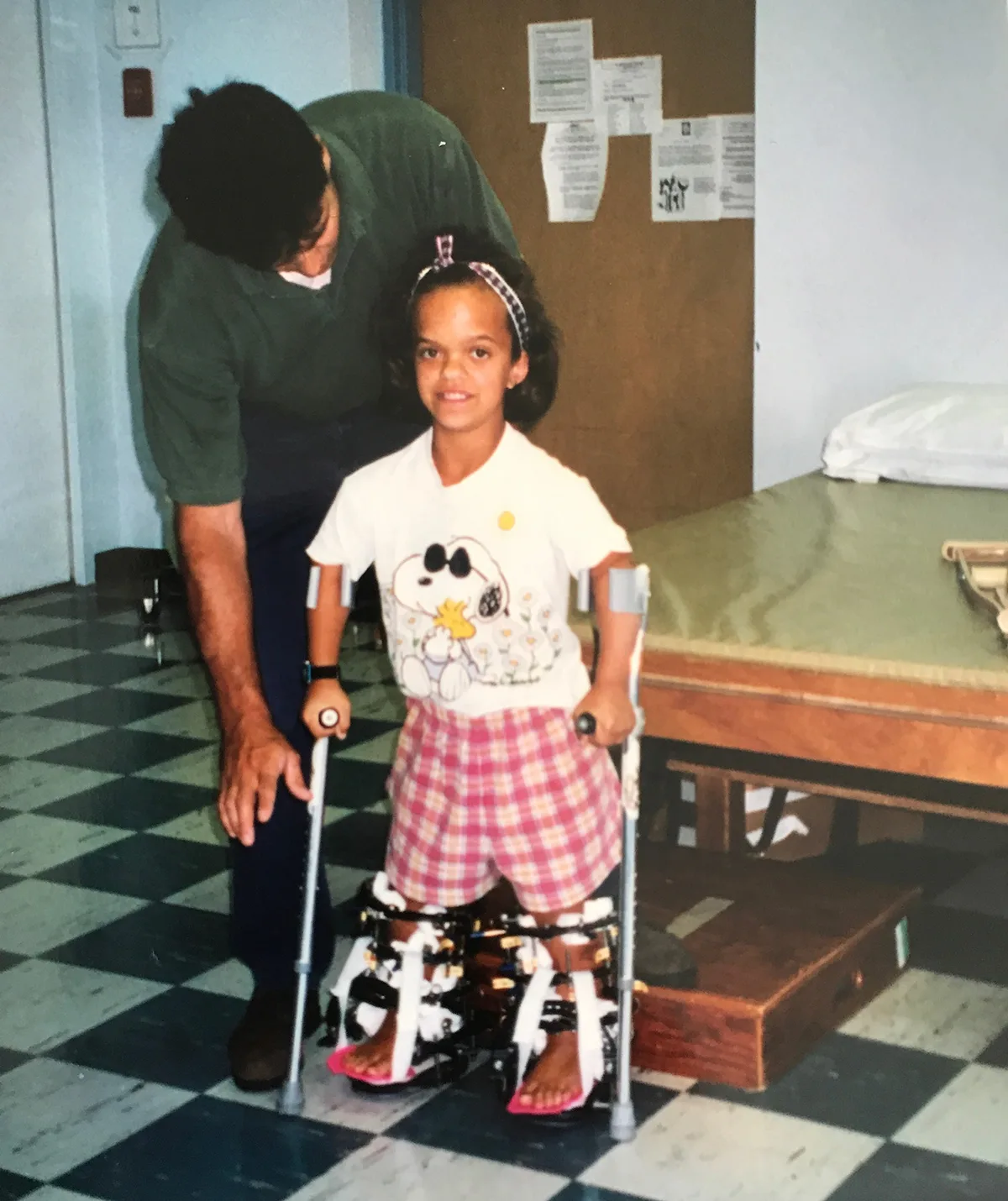
“I’ll be having an operation to stretch my arms and legs,” I told the camera.
When I was 12, I finally lay in an operating room and drifted off…
Hours later, a nurse peeled back the blankets and I saw the metal fixators on my legs.
It’s happening, I thought.
A week later we went home, turning the fixators’ screws slightly each day to pull my bones apart. It didn’t hurt, but I needed physio twice a day.
Back at school, my friends were shocked.
“Whoa, you had it done!” they said.
I could walk with my fixators, but used a wheelchair for long distances.
Three months later, I was in bed when my parents came to say goodnight. Mum took her usual spot on my mattress and sat on my leg accidentally.
“Ouch!” she cried.
“You really are growing!”
After 11 months, the fixators were replaced with casts. I walked with crutches before ditching them.
Next, I had my arms done and didn’t let the fixators stop me doing anything.
Then came surgery on my femurs, the bones in my upper leg, which were lengthened after 10 months.
After that, I was finally free!
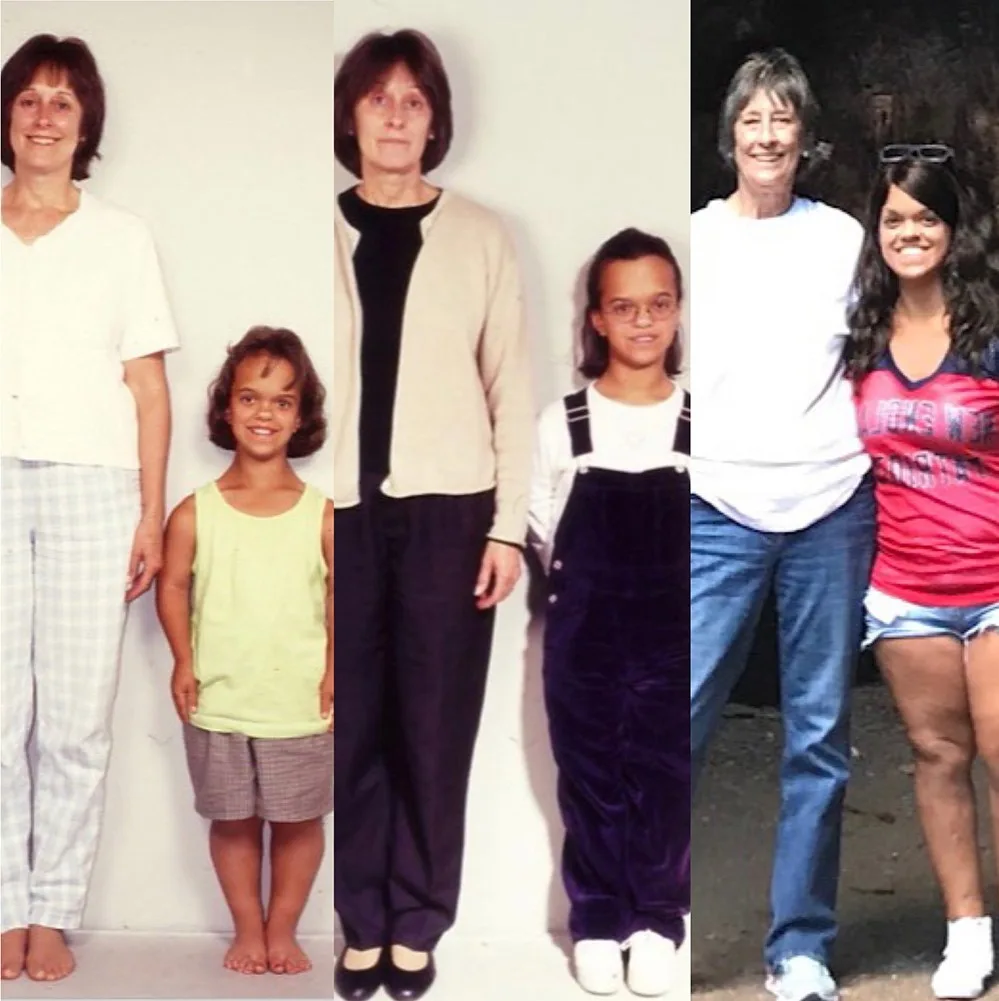
My legs had grown 28cm and my arms 10cm. I’d gone from being 114cm tall to 150cm, extra height gained by standing straighter, as well as natural growth.
The surgery also corrected my bowed legs and painful skeletal issues, and I was proud of my new scars.
With physio, life improved.
Just being able to reach the tap to wash my hands, and sitting on a chair without my feet dangling was incredible.
I could also drive without a booster seat or extenders.
“My mind is blown!” I said.
At college, I joined the rowing team and enjoyed wild nights out.
After graduation, I got a job as a patient care technician in a children’s hospital.
Then, in 2015, aged 29, I was house-sitting for a friend when disaster struck.
After sitting on the floor to stroke their dogs, I got up and felt my lower back pop.
I lost feeling in my legs.
What’s happened? I panicked.
Soon, feeling returned, but with immense pain.
At the hospital, I was diagnosed with spinal stenosis, where the spinal cord is pinched.
Steroids only took the edge off temporarily.
Even with physio, I couldn’t stand or walk for more than an hour.
Then I met spine specialist Dr Feldman and had an MRI.
Next day, he rang.
“You’re in danger of permanent paralysis,” he said. “You need immediate surgery.”
Following a spinal decompression and fusion, I still couldn’t move.
Over the next two years, I had 12 more operations, followed by chronic pain and long recoveries.
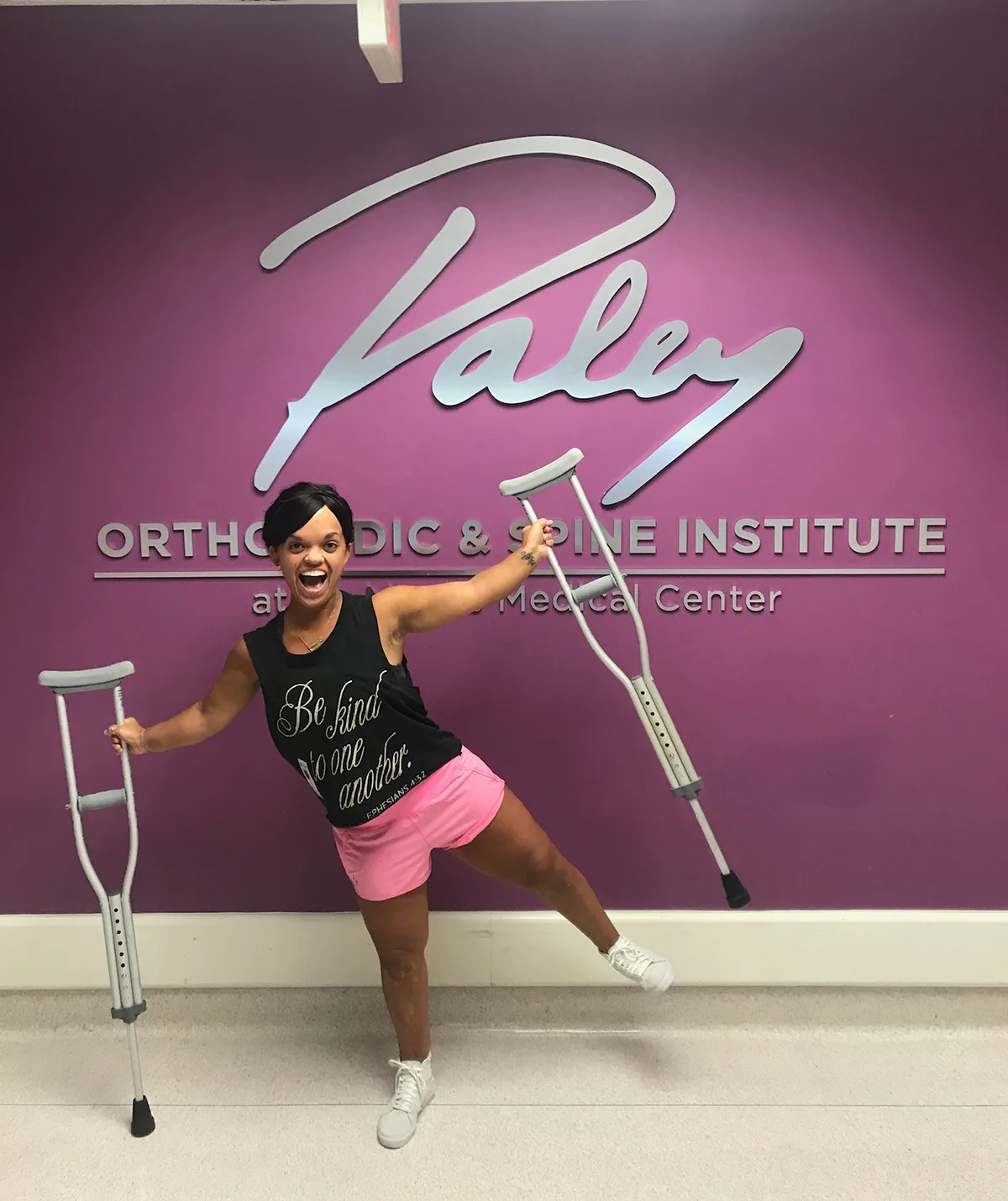
After paying for surgical bills and physio, my parents paid my rent and I relied on coupons.
Mentally, I’d slipped into a very dark place.
“We’re not giving up on you,” my surgeon told me. “So you can’t give up either, okay?”
I nodded.
I had to play the cards I’d been dealt the best I could.
Afterwards, I took up yoga and made new friends.
I tried dating apps, but all I found were men with fetishes for small women.
Instead, I focused on myself and had a knee and double hip replacement, pretty common for those with achondroplasia.
I also had surgery to treat cervical stenosis. My spinal canal was too small for the spinal cord and nerve roots.
Afterwards, I was grateful to be back on my feet.
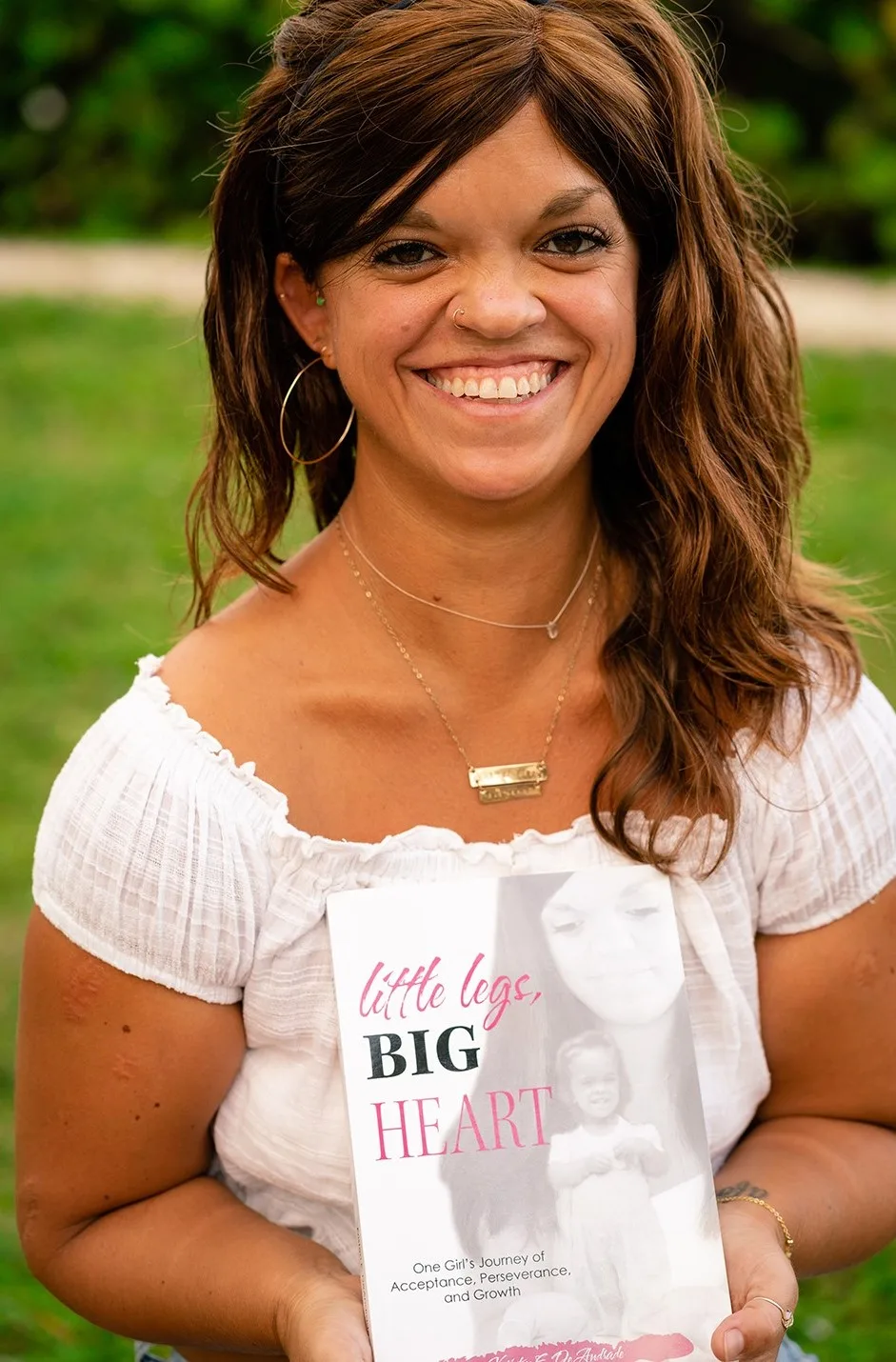
Then I turned my blog about my achondroplasia journey into a book, Little Legs, Big Heart.
Hearing how it’s inspired and motivated others, with and without the condition, means everything.
Now I work with Dr Feldman as a patient advocate for those with lifelong conditions.
I’m also a dedicated activist for people with disability and skeletal dysplasia.
Limb-lengthening surgery is controversial within the achondroplasia community because it’s seen as trying to shed the appearance of dwarfism, but for me it’s all about quality of life.
I’ve come a long way since my days in the classroom.
I’ve grown physically, but even more so mentally.
I’m mighty and I’ll never, ever give up.
Kristen’s book, Little Legs, Big Heart, is on sale now.

Related stories
Native ad body.
Native ad body.
Native ad body.