


IN SHORT
- Mailinn Hamre was just 19 when her partying at uni spiralled into a dangerous vodka addiction.
- Over the years, her drinking got so out of control she was secretly consuming up to four litres of the spirit a day.
- At 165kg, and with doctors warning her she could die, Mailinn was placed in an induced coma.
- Two months later, she woke to discover she’d been given a second chance at life.
- Here, Mailinn Hamre, 35, tells her incredible story of recovery and spurvival.
Sitting in the doctor’s waiting room, I was overwhelmed with shame.
I was only 28, but for years I’d battled alcoholism.
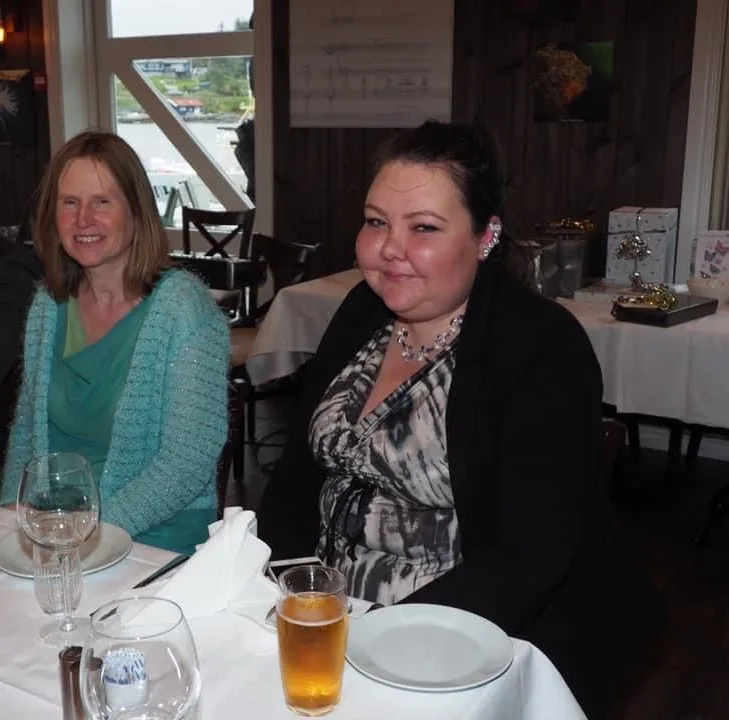
While in uni at 19, I’d started partying heavily.
Drinking gave me social confidence but while my friends knew when to stop, I found it difficult.
I grew addicted to that feeling of switching off.
Gradually, my weekend drinking became a daily habit.
Read more: A five-year-old’s terrified reaction to a tickle exposed a devastating family secret
It happened again in March.
Eventually, it took over completely, and I dropped out of university.
If friends or family tried to address it, I’d get angry and shut them down.
I began living on government benefits, which required regular medical check-ups.
Over the years, I was repeatedly deemed to have a drinking problem and sent to rehab.
But every time I was released, I’d go right back to alcohol, telling myself I had it under control.
Living alone, I was able to hide that I was drinking up to 36 beers a day, or four litres of vodka.
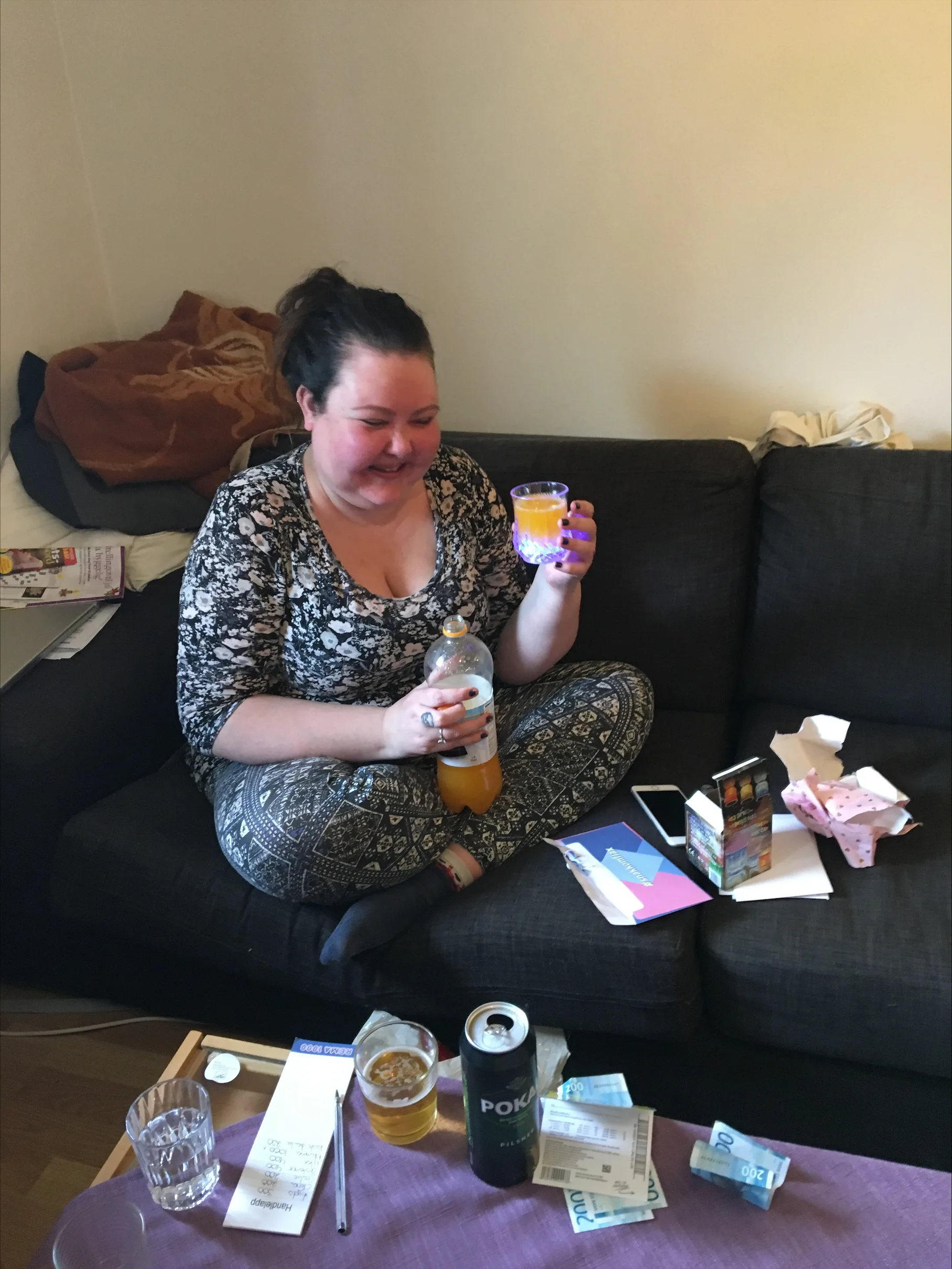
My weight shot up to 165kg and I felt constantly nauseous.
For trips that required extended walking, I used a wheelchair and I required in-home carers to help me bathe and dress.
My face was bloated, my arms and legs were weak, and I didn’t recognise the woman I saw in the mirror.
This time, as I walked into the GP’s office, he looked at me and sighed.
“You realise I won’t be seeing you next year,” my GP said, frankly.
I knew he was right, but I couldn’t see a way out.
After that, I made multiple attempts to quit, but my body would tremble and shake from withdrawal.
I’d suffer debilitating headaches and become so dizzy I could barely function.
Life became consumed by pain and all I could think about was my next drink.
My weight was also putting enormous strain on my frame.
In January 2020, I was on the toilet when I lost all feeling in my arms and legs.
Thankfully, my uncle and best friend were there to help me off.
Sensation eventually returned to my limbs, but I was filled with embarrassment.
This time my carers were there, but I was too heavy for them to manage.
Instead, five members of the fire brigade had to get me off the toilet and take me to hospital.
I was monitored in hospital, but felt restless knowing I couldn’t drink, so I left.
By then, I was beyond shame.
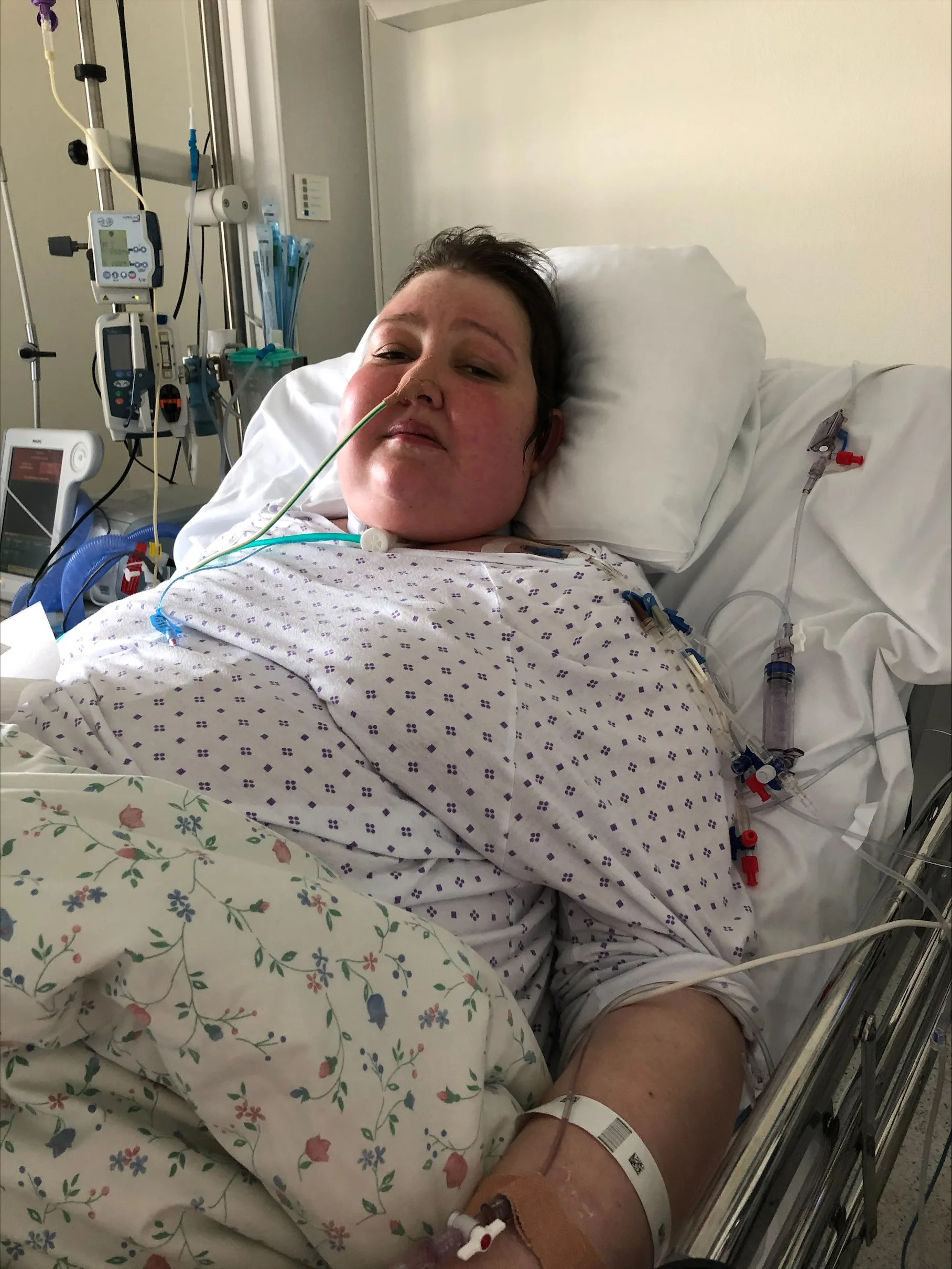
I stopped eating altogether because my nausea was so severe, and I was vomiting and passing blood regularly.
Still, I reached for the bottle.
A few weeks later, I was in hospital again with breathing problems and loss of movement in my legs.
“Your lung capacity is at 13 per cent, and your liver is failing,” a doctor told me. “If you leave, you will die.”
I finally agreed to stay; I’d fought with myself and my addiction for too long.
“We’re going to put you into a coma to detox you slowly,” I was told. “There’s a high chance you won’t make it out, but it’s all we can do.”
I simply nodded. I’d never felt so hopeless.
The nurses rang my family, but all I could do was cough into the receiver.
Then I was given an injection and everything went black.
When I woke, everyone around me was wearing hazmat suits.
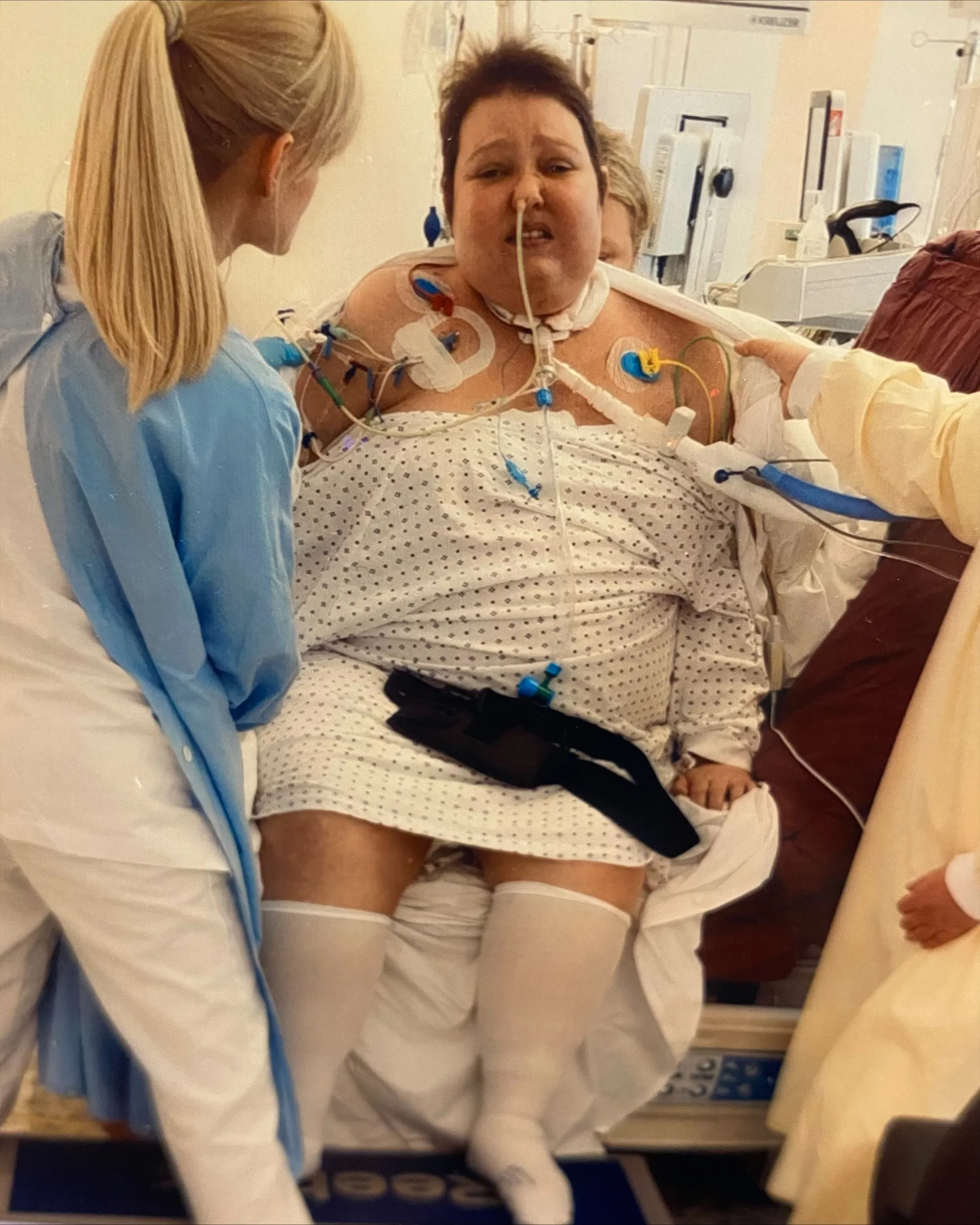
“You’ve been in a coma for two months,” a doctor said. “Your lung capacity is building up.”
As I was intubated, I couldn’t speak.
One of the ICU nurses explained that coronavirus had taken over the world and everyone was going into lockdown.
Thinking I was hallucinating, I drifted off again.
I awoke to learn another five weeks had passed.
They’d put me under again because I’d maintained a dangerously high fever.
Doctors told me I’d developed Guillain-Barré syndrome which had left me paralysed from the waist down.
Join 66,000 other readers who love our real-life stories. Sign up for Take 5’s free weekly newsletter and never miss a story!
I remained in hospital as my lung capacity slowly returned, with no visitors due to the pandemic.
In June, I was transferred to a rehabilitation clinic where my family were allowed to see me.
When my mum, Irene, and brothers, Alexander and Joachin, arrived they burst into tears.
“We didn’t know if we’d ever see you again,” Mum said.
Tears filled my eyes as she wrapped me in a hug.
Months of intubation had left me unable to speak.
I’ve got a second chance at life, I told myself and I vowed to never drink again.
From then on, even alcohol-based hand sanitisers would make my body recoil.
With the help of physios, I re-learned to walk and talk.
After five more weeks in rehab, I was cleared to go home.
I continued physical therapy twice a week, went to counselling, and started slowly rebuilding my life.
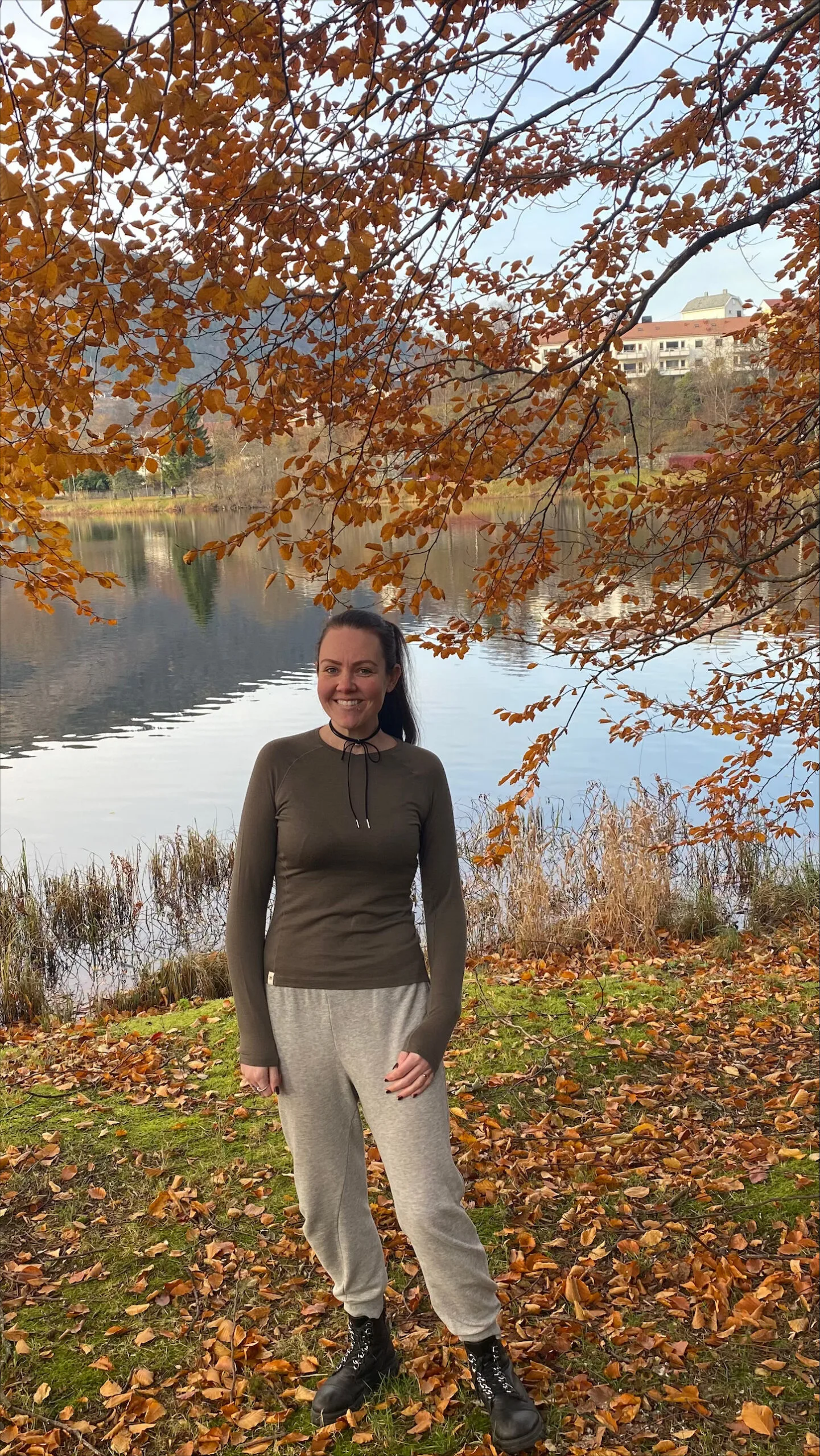
When I could stand without feeling trapped in my own body, I took a deep breath of gratitude.
For the first time in years, I saw how magical life could be.
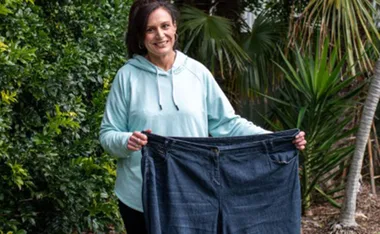
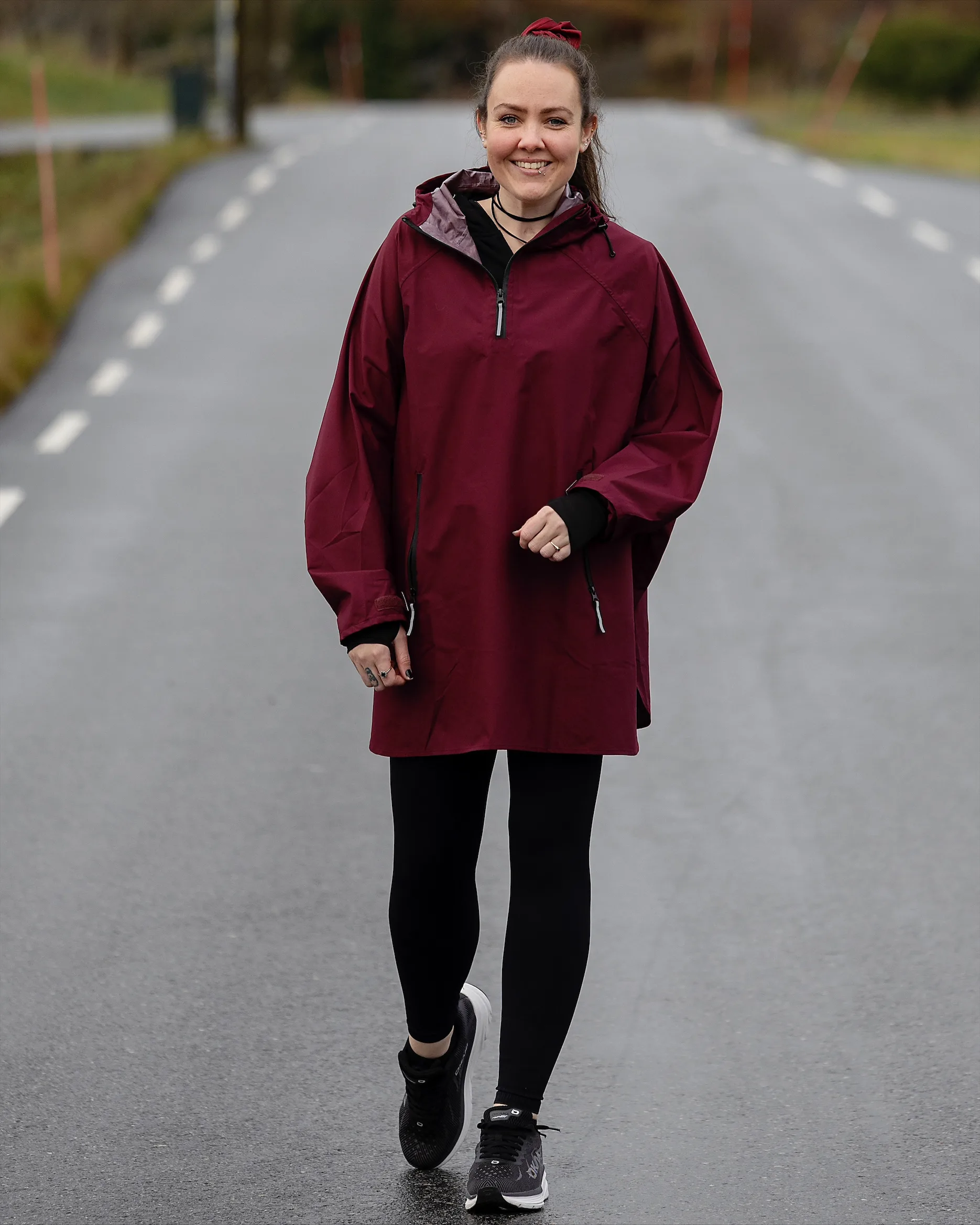
In 2022, I started going on walks and making healthier food choices, losing 100kg in just two years.
In May 2024, I got a job at a rehabilitation centre, where I’m now using my story to help others.
“No matter how dark things have become,” I tell our residents, “there is always hope.”
There was a time when I could barely imagine seeing another day.
Now, I’m six years sober and training to run a 3km race with my brothers, nephews and nieces.
I was given a second chance at life, and I don’t intend to waste it.
To follow Mailinn on Instagram, go to: @soyli91

