






Ask any health expert, and they’ll tell you that social media is full of dodgy advice that should be avoided. But what if we were to tell you there was an exception to the rule? Allow us to introduce you to fibremaxxing, one of the very few TikTok trends that actually gets the nutritionist stamp of approval.
“As a nutrition scientist, this is one wellness trend I’m pleased to see gaining traction,” says Dr Gina Levy, senior nutrition manager at Kellogg’s.
“Fibremaxxing is a trend with real nutrition substance behind it – provided people approach it sensibly,” she says. “The goal isn’t perfection or restriction, it’s about helping everyday meals work a little harder for your health.”
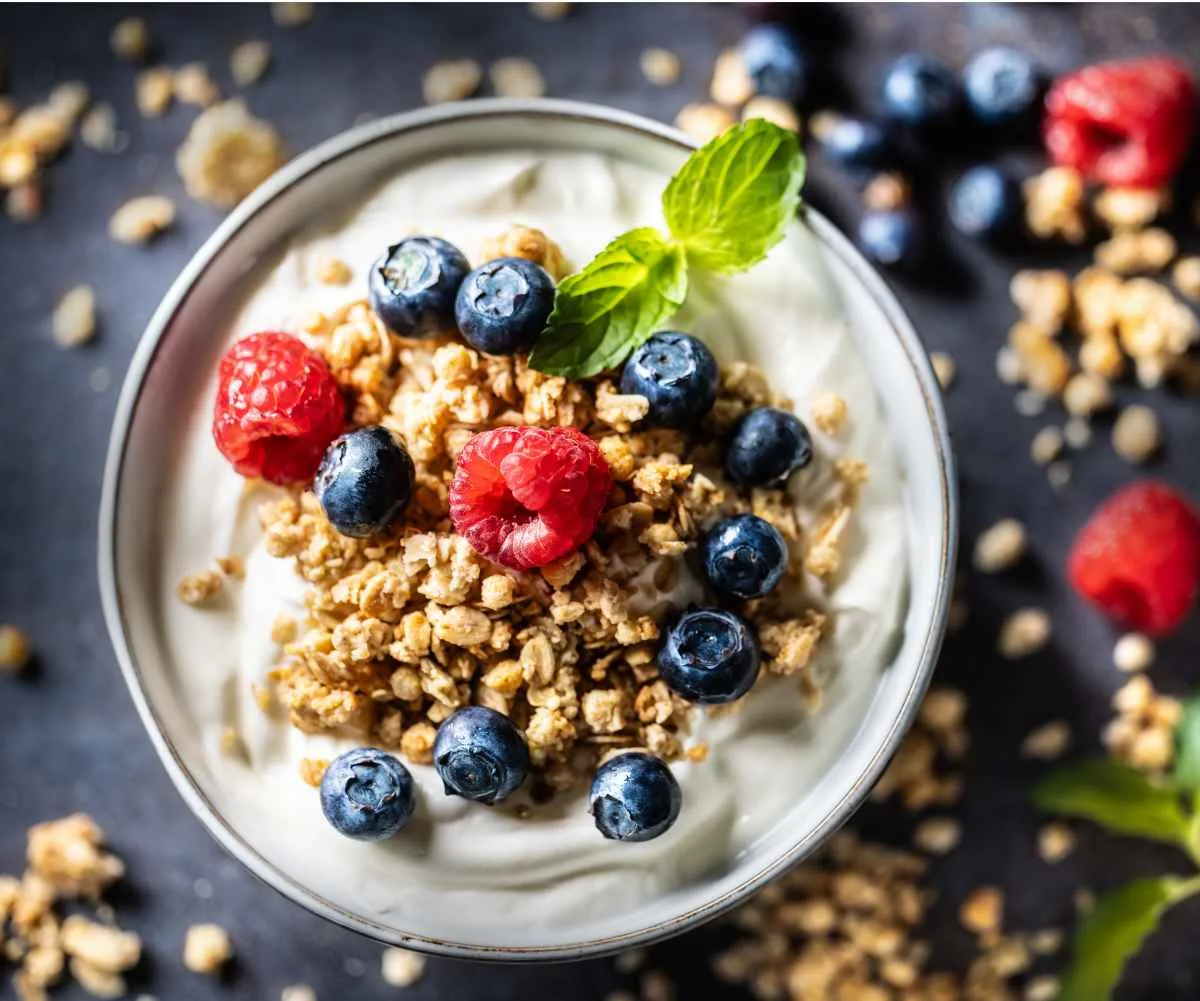
Is it right for me?
Dr Levy says, “For most healthy adults, yes – but the key is to start gently if you are not a big fibre eater to begin with.
“Fibre is one of the most important nutrients for health, yet around two-thirds of Australians are not getting enough,” she adds. “One could argue it is one of Australia’s biggest nutrient gaps – and it is a gap we have struggled to close for decades.”
And yes, the benefits go well beyond regularity. “As our understanding of the relationship between a healthy gut microbiome and overall wellbeing grows, fibre’s broader role is getting the attention it deserves,” says Dr Levy. “Fibre supports our gut health and overall wellbeing, helps us with blood sugar control and cholesterol levels, plus it helps us to feel full so we can manage hunger between meals.”
The basics
“Fibremaxxing is simply making a conscious effort to add more fibre-rich foods across the day to help reach the recommended target of 25 to 30g,” Dr Levy says. “It does not need to be a dramatic overnight diet overhaul, it is about layering fibre into everyday meals and snacks in realistic ways.”
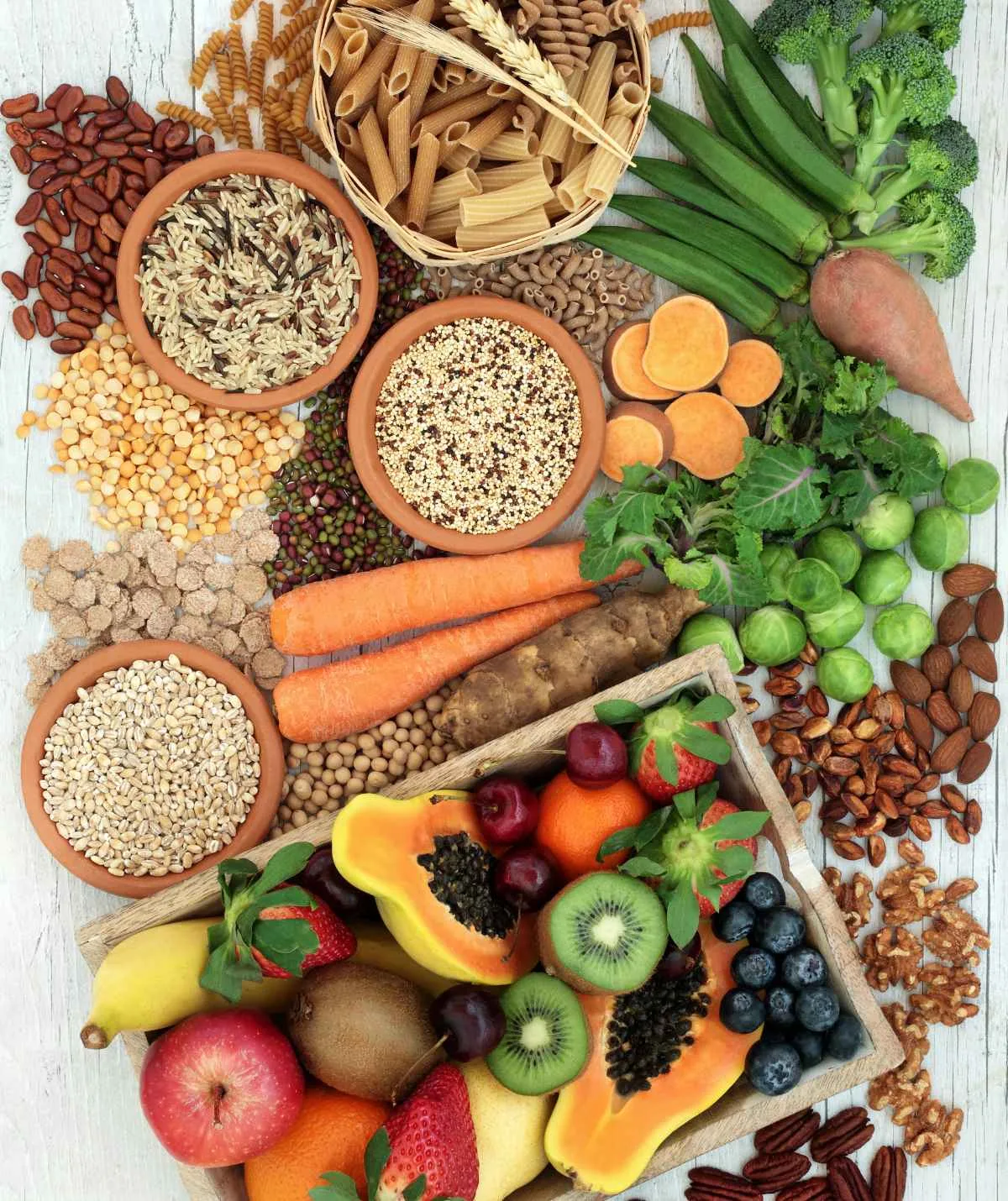
One of the biggest myths is that fibre only comes from bran. “In reality, fibre comes from a wide range of plant foods – wholegrain breads and fibre cereals, oats, legumes, vegetables, fruit, nuts and seeds,” she adds. “It doesn’t have to be boring, there is so much we can do with fibre foods to make meals interesting and delicious.”
Take it slow
Like most things on the internet, Dr Levy says fibremaxxing can be taken too far. “The most common mistake is going too hard, too fast,” she says. “A sudden jump from a low-fibre diet to a very high-fibre diet can cause bloating, wind and abdominal discomfort.”
She adds, “The other mistake is relying only on supplements to reach the target. Many supplements contain one type of fibre, but the truth is there are several types and they each perform unique functions. That’s why fibre in food provides variety. It’s even been said that we need to eat 30 different plant foods each week for good gut health.”
Just add water
This is the other important ingredient, and with summer on the way, it’s more important than ever to keep the H2O flowing.
“Fibre and fluid work together. Fibre helps add bulk and support bowel regularity, but without enough fluid, a high-fibre intake can contribute to discomfort or constipation,” Dr Levy advises. “Have your water bottle visible and close by, drink with every meal, add extra fluids around exercise, and include water-rich foods like fruit, salads, milk and yoghurt.”
Fibre 101
Most plant foods contain a mix of soluble and insoluble fibre, and we need a combination of both. “Soluble fibre dissolves in water and forms a gel-like substance,” Dr Levy says. “It can slow digestion and help support healthy cholesterol and blood glucose levels. Oats, barley, legumes, fruit, vegetables, psyllium and flaxseed are great sources of soluble fibre.”
Insoluble fibre on the other hand, doesn’t dissolve. “It’s what we know as ‘roughage’, and it helps food move through the gut so we stay regular,” she says. “Cereals such as All-Bran or Sultana Bran, fruit and vegetable skins, bran, nuts and seeds are high in this type of fibre.”

Related stories

Native ad body.

Native ad body.



Native ad body.