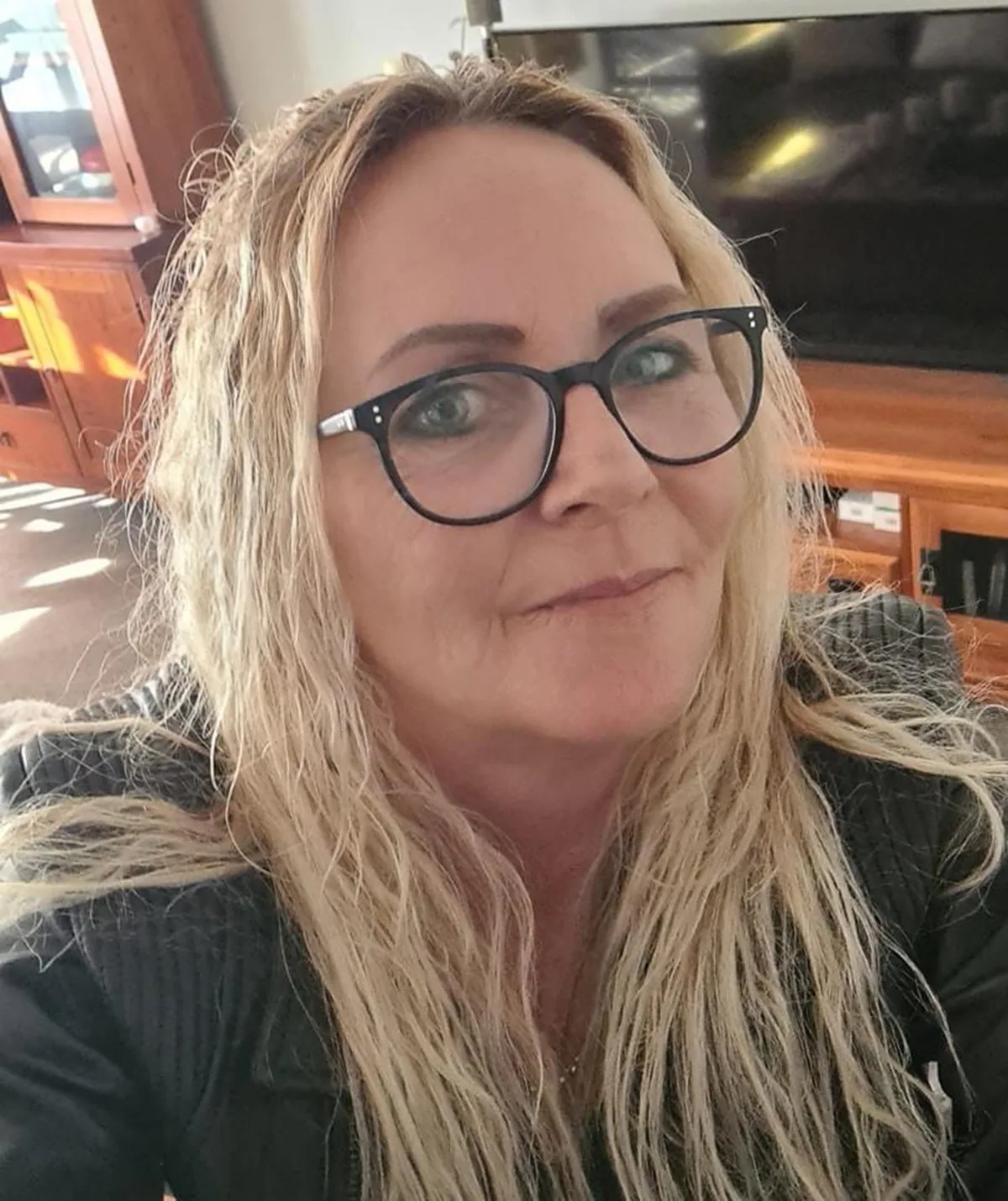
Gareth Jones, 56, from Napier, NZ shares his story below…
Tucking into dinner, I was glad my friend Sue and I were snug inside.
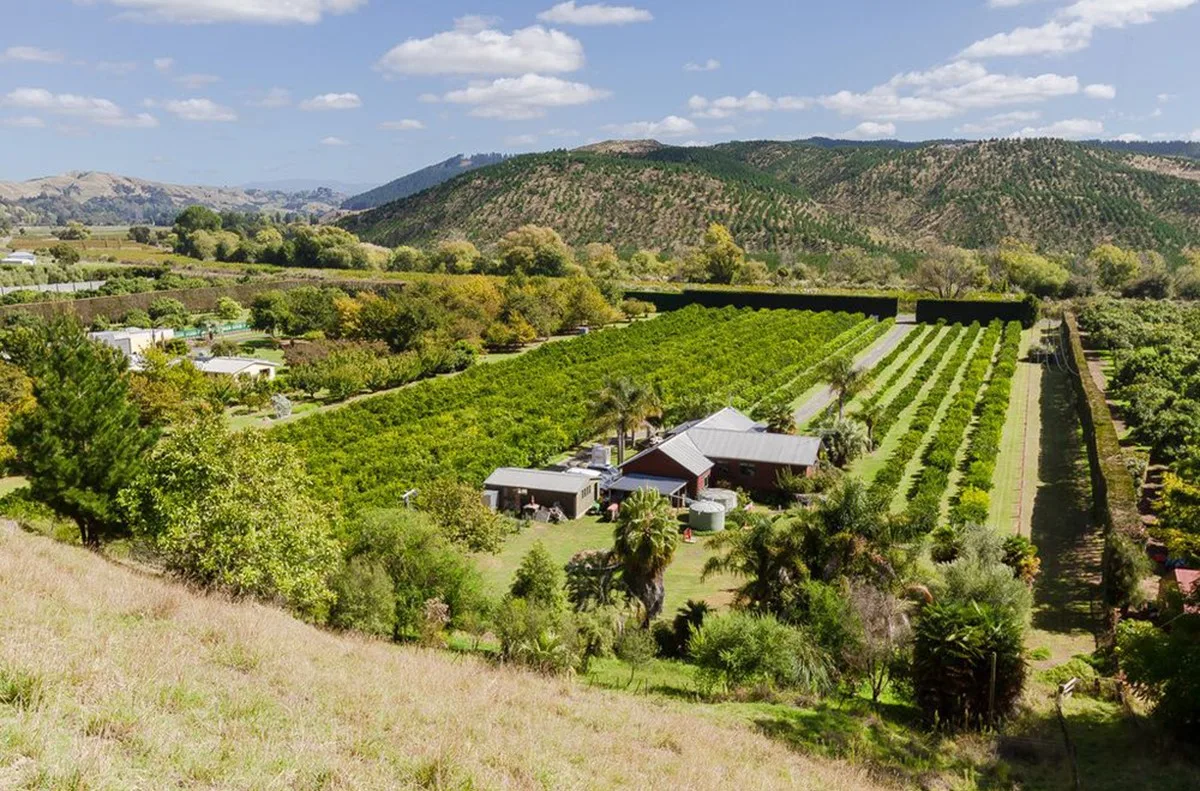
It was February 13, 2023, and I was house-sitting a mate’s place in Esk Valley.
Sue, 55, had come to visit.
But Cyclone Gabrielle was gaining momentum outside, and wild weather had been pummelling the area for a couple of hours.
Read more: A tree fell on us during a massage!

“Here’s to staying safe,” I said, raising my glass.
Later, when Sue went to leave, the road was covered with water.
“Let’s have a cuppa till it settles,” I suggested and got a fire going.
Lucky, because just then the power went out.
I called emergency services and heard the blackout spanned the entire valley and they were working on it.
“At least we’re keeping warm,” Sue said, ever the optimist.
Hours later, around 2.30am, we were still chatting when the lights blinked back on.
Checking for damage, I found mucky brown water a metre high in the garage on the ground level.
Back upstairs, I felt the carpet squelching against my feet.
Pulling back the curtains, I saw a flood of water pressing against the glass sliding doors and it was now seeping in through the floorboards underneath.
“Let’s try to rescue what we can,” I urged Sue, putting belongings on higher surfaces.
But it was pointless, by now the water level was rising too rapidly.
Soon, the dining room table lifted and floated around the room.
Quickly, Sue and I leapt to the kitchen bench.
The house owners’ three dogs paddled desperately, trying to stay afloat.
A suitcase doubled as a raft for the four cats perching on top.
“We’d be laughing if it weren’t so tragic,” I winced.
As water began lapping at the kitchen bench, I used my iPhone to bash a hole in the plasterboard ceiling and pulled it back so we could crawl into the attic with the animals.
Then, with shaky hands, I called emergency again around 4.30am.
“Rescue boats are on their way,” the operator promised but couldn’t give me an ETA.
If the water keeps rising, we’re goners! I thought.
Adrenaline pumping, I dashed to the gabled end of the house and kicked through the weatherboard until we could see outside.
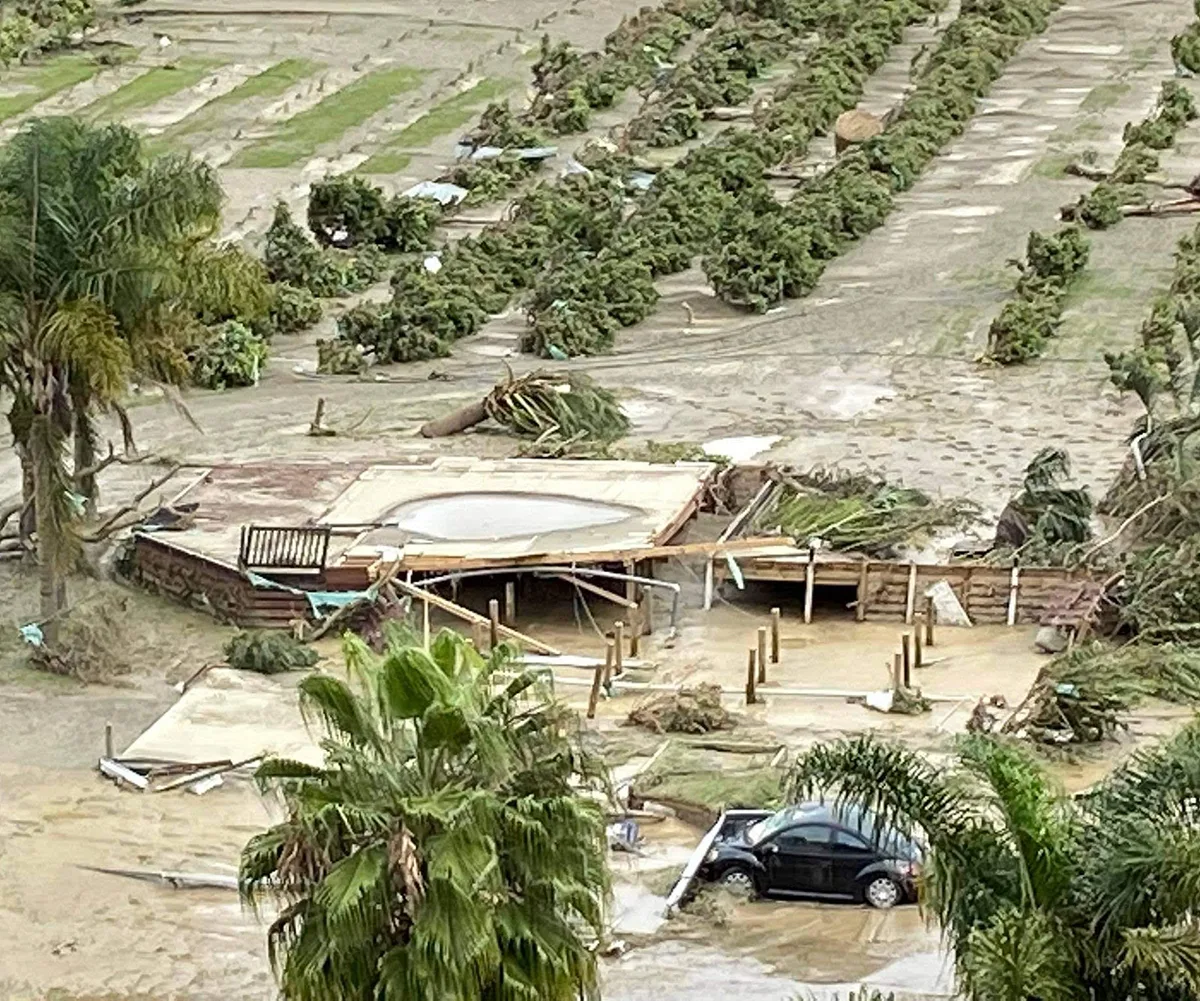
In the grey early morning light, I saw the entire valley was like an ocean.
Only treetops were poking through the raging 7m torrent of water.
“I don’t know how we’ll escape this,” I said to Sue grimly.
She nodded sadly and placed an arm around me.
“Perhaps we should film video messages for our kids to tell them we love them,” she suggested.
I had Nia, 20, and my three sons, Jon, 35, William, 34, and Matthew, 32, and Sue had two adult daughters, Bianca and Stefani, and sons Jonty and Tyler.
“I don’t know if we’ll make it out alive,” Sue told Bianca, fighting back tears. “But we’re trying.”
Just then, there was an almighty crash.
A shipping container being carried by the surging flood had ploughed into the house.
The sound of splitting wood turned my blood to ice.
We’re done for, I thought, hearing loud creaks as the structure slowly succumbed to the pressure.
I quickly called emergency again.
“We’ve got 10 minutes before the house breaks up entirely,” I pleaded.
“I’m sorry, there’s nothing more we can do,” the operator said, her voice quivering.
Sue was still on the phone saying goodbye to Bianca when we heard the deafening sound of the house shattering.
“When we hit the water, don’t let go of me,” I yelled to Sue.
At 6.15am as dawn was breaking, we were thrust into the raging 80km/h torrent.
Barrelling downstream, I kept Sue afloat, holding her tightly to me in the lifesaving position, while trying to dodge trees and debris.
The rush of icy water forced me under, and even as my lungs filled with silty muck, I resolved not to give up or let go.
After 20 exhausting minutes surging at least 2km downstream in the rapid deluge, my foot became snagged in a tree branch and I was pulled under again.
Sue’s fingers clenched tightly around my arm, but I had to let her go or she’d be dragged down with me.
Holding my breath, I frantically freed my foot, but when I resurfaced, Sue was gone.
I hoped with all my heart she’d survive.
But as I was hurtled along with the current, I was losing strength myself.
Fight for the kids, I thought.
They’d lost their mum four years earlier. They couldn’t lose me as well.
Near the mouth of the river, I grabbed hold of a branch and looked for Sue. No sign of her.
Eventually, I made it to a stony bank and clawed my way up it before everything turned black.
When I came to, the river had receded, and I crawled across the silt to a caravan in the distance.
Thankfully, a bloke called Stan Evans found me and rushed me to a medical centre.
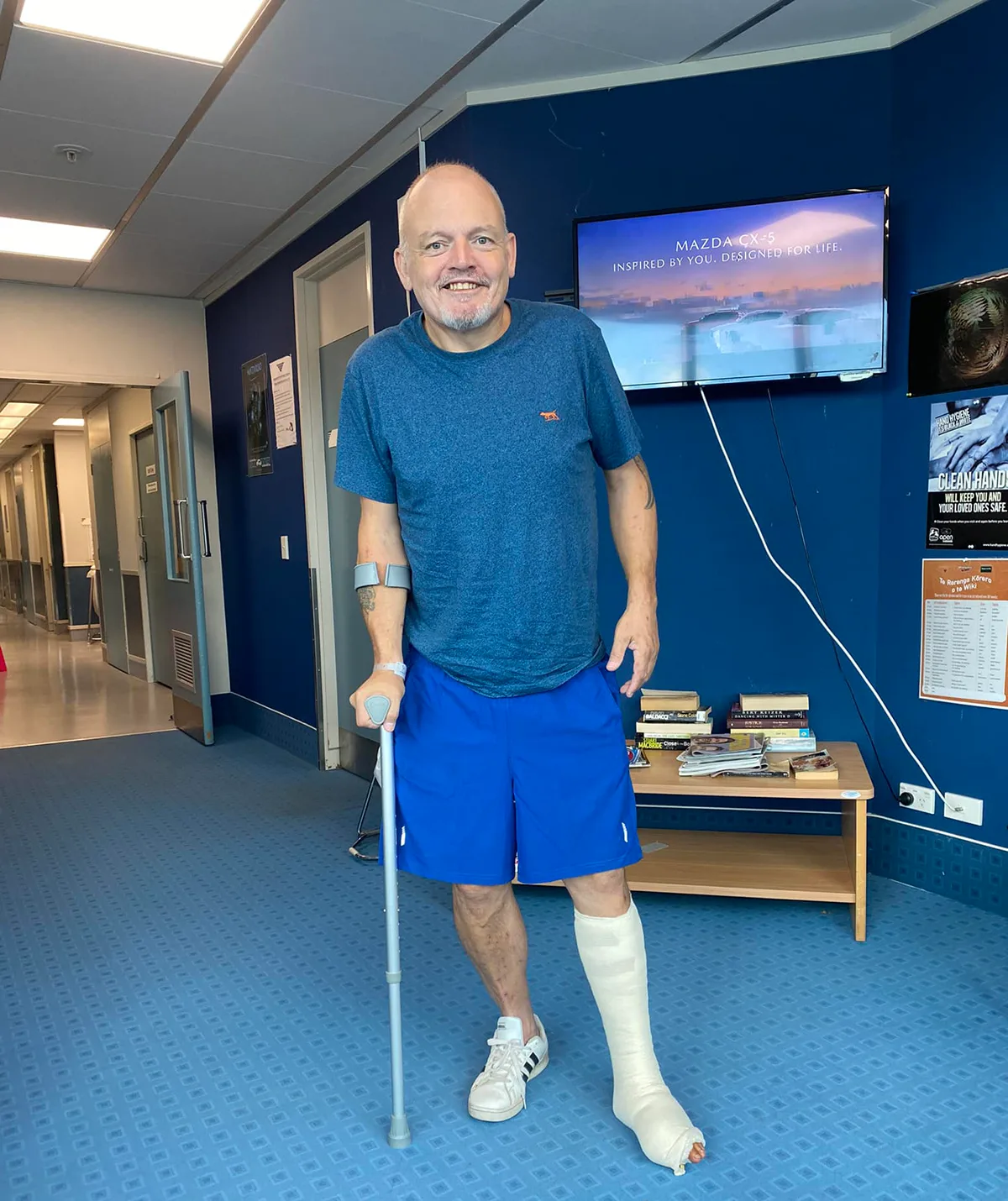
I had a severe wound on my foot, which became so badly infected from the filthy water I wound up in hospital.
There, I had 12 operations to save my foot but lost my big toe.
That was nothing compared to losing my dear friend Sue.
Her body was found later that same day.
I tortured myself with what-ifs.
If we’d been told to evacuate earlier, Sue would have survived.
It’s been just over a year since Cyclone Gabrielle, which unleashed 400mm of rain in just 12 hours.
Thankfully, a psychologist has helped me deal with my PTSD and survivor’s guilt from the disaster.
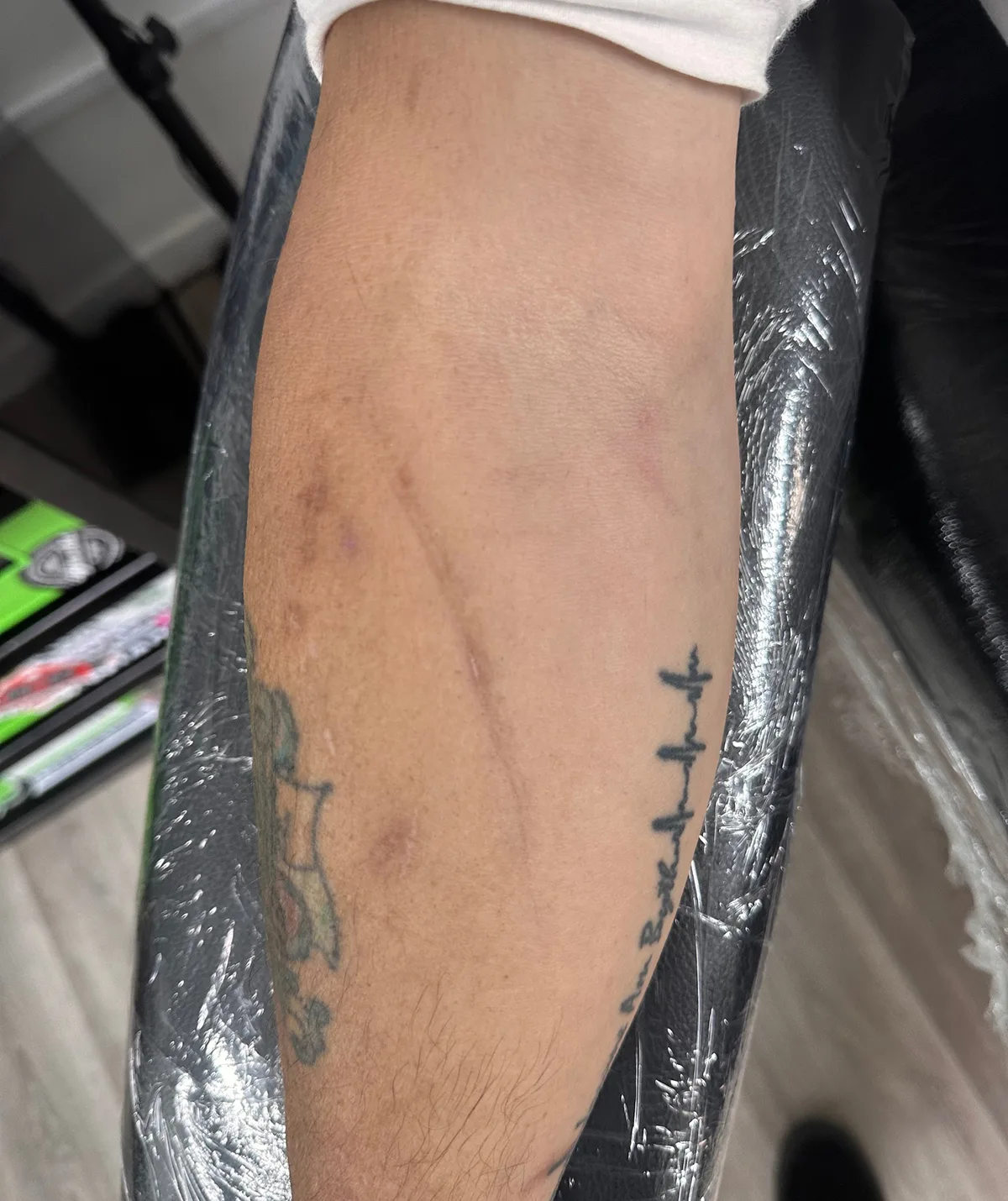
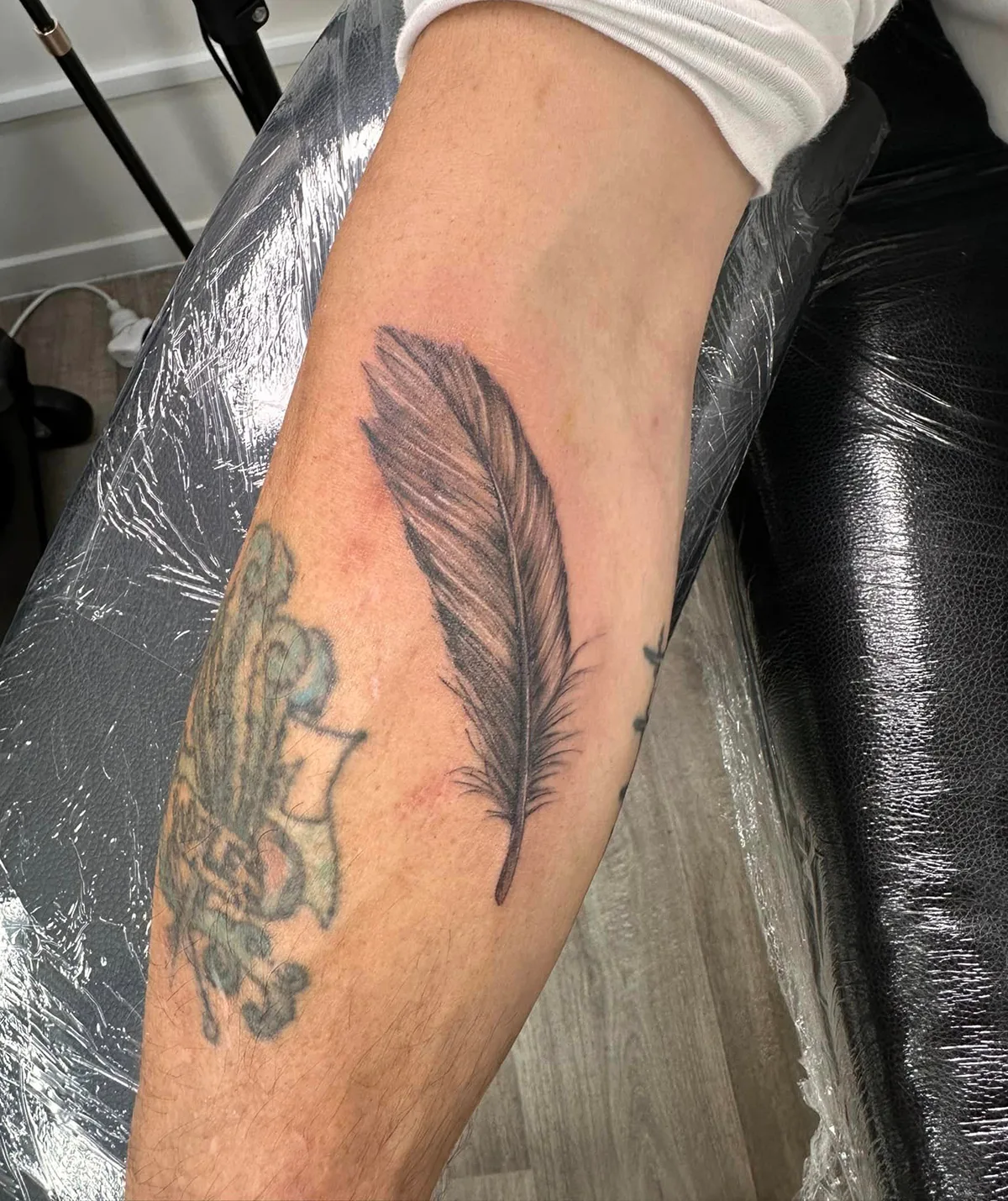
In memory of Sue, I’ve had a feather tattooed on my right arm.
It covers the scar from where she’d dug her nails into my flesh, desperately trying to hold on.
I’m speaking out because if authorities had sounded the alarm to evacuate, this tragedy could have been avoided.
It breaks my heart that Sue, along with 10 others, lost their lives that day.
I’m thankful I survived; I’ve learned to make the most of every moment.
It can all change in an instant.

Related stories

Native ad body.
Native ad body.


Native ad body.