When Melissa Caddick first disappeared in 2020, many suspected that the “Queen of Con” had gone into hiding or had somehow escaped the country.
Having fleeced her family and friends of their life savings in an investment scam, had she gone to extreme lengths to avoid arrest?
“You can easily escape Australia if you have enough money,” private investigator Ken Gamble tells Woman’s Day.
“You can pay people to take you across the Torres Strait Islands by boat and get to Indonesia. Then you need a new identity. You just have to have resources.”
And Caddick had access to such resources.
Looking for signs of life
In an interview on the sixth anniversary of Caddick’s disappearance, the NSW licensed private investigator who was employed to track down the fraudster, shares what he discovered.
Ken was hired by an Australian TV network in the weeks after Caddick, 49, vanished.
At the time, Caddick was living with her family in her luxury Dover Heights, Sydney home, from where she operated a $23 million Ponzi scheme.
The scam involved luring people, including those closest to her, to invest in her “financial business”, promising them huge returns.
But instead of investing the money, she used it to fund her own life of luxury, complete with a harbourside home, ski holidays in Colorado, sports cars, jewellery, designer clothes and more.
Under investigation by the Australian Securities and Investments Commission (ASIC), Caddick’s home was raided by ASIC and the Australian Federal Police (AFP) on a search warrant on November 11, 2020.
She vanished the next day.
As Ken worked the case, he looked for any trace that Caddick might be alive.
“The first thing I did was send a tracked email to her email address,” he says.
The email was fabricated to appear to be from an Australian company and included an attachment with “information”.
“If the email was opened, I’d get an alert,” explains Ken.
New identity?
The investigator also looked into the possibility that Caddick had planned her disappearance.
“There are people who will take you out of the country, particularly in the north, in Cape York,” he says.
“But you have to have contacts. You can’t just go up there and make inquiries at the local pub.”
Further, Ken says the person wanting to vanish would need money to create a new identity.
“You can’t just land in Indonesia with no money,” he says. “You have to have significant resources to live, and to see a doctor if you have a medical problem.”
And the person would need to know how to keep a low profile.
“You’ve got to be able to avoid CCTV cameras and live in a place where no one will recognise you,” says Ken.
Unless they underwent drastic cosmetic surgery.
“People, of course, do all those things, but it takes money,” he says. “Plenty of fugitives have done it.”

Caught red-handed
But for all his looking, he found no evidence that Caddick had planned an escape using her acquired funds.
“She was not expecting the raid, it came as a shock to her,” he says of the days before her disappearance.
“She was caught red-handed at home with all the jewellery and other expensive things she’d been buying. So she had no time to hatch an escape plan.”
And there was no evidence she had previously withdrawn money to finance such a plan either.
“The only thing that stood out was a very large payment to a female friend,” says Ken.
The friend turned out to be “client” Dominique Ogilvie, who by chance had become aware in August 2020 that Caddick was illegally operating on someone else’s financial services licence, and requested her money back.
Criminal lawyer called in
In fact, rather than actively trying to escape after the raid, Caddick was looking for legal help. That night, she made an appointment with a criminal lawyer at legal firm Armstrong Legal in their Sydney city office for 10 AM the next day. She even paid a deposit for the meeting.
The inquest into Caddick’s disappearance heard that she was “seeking urgent advice and representation regarding a ‘raid’ and an upcoming Federal Court appearance”.
She never made it to the meeting. Her last known movements that day were reported by her husband, hairdresser Anthony Koletti, and her then teenage son from her first marriage.
At around 5.30 AM, Caddick’s son was in the home gym when he heard his mother leave through the front door.
And Koletti said he had seen his wife asleep in bed at around 4 AM when he had used the bathroom. He then awoke around 5.30 AM or 6 AM to the front door closing, and assumed she had gone for a run, “which she does every day”.
He reported her missing the next day.
A gruesome discovery
Following her disappearance, Caddick’s bank accounts were not accessed, her phone account was not used (she had left her phone at home), and she made no contact with her loved ones.
“There was nothing to suggest that she could be still alive,” Ken says.
Then came the gruesome proof.
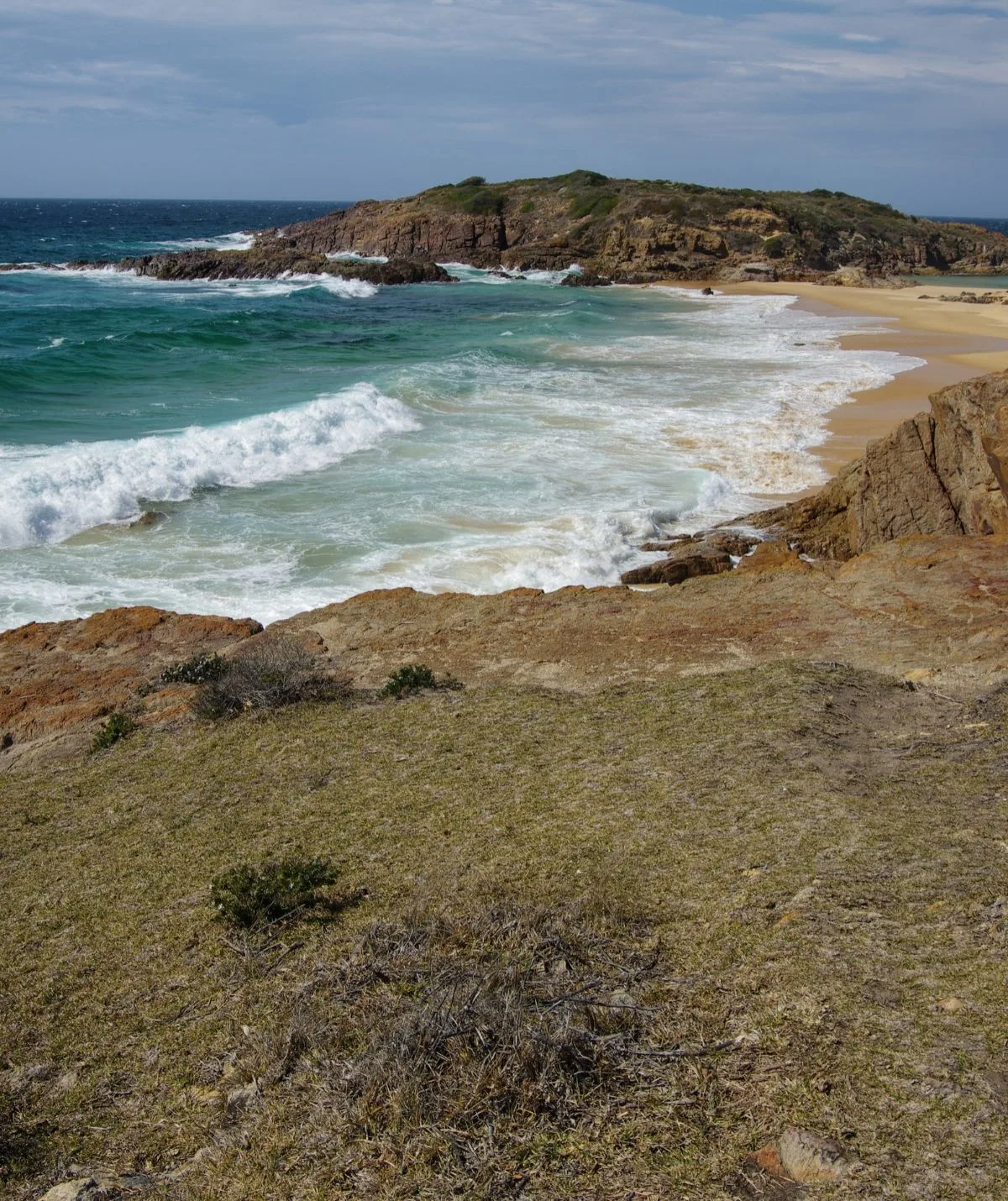
On February 21, 2021, Caddick’s decomposed foot, still in its Asics running shoe, washed up on a remote NSW beach. Ken was pulled off the investigation by the TV company.
“The [TV network] said, ‘There’s no point, she’s obviously dead,’ ” says Ken.
Yet there was one more twist to come.
Around a year later, on March 25, 2022, Gamble received a “ping” from his tracking email.
“I was in the Philippines at the time, working,” he says. “And all of a sudden I get a tracking report that Melissa Caddick’s email was opened in Singapore.”
It was a heart-stopping moment.
Had Caddick somehow made her way to Southeast Asia – after a bizarre act of self-mutilation?
Not a chance, says Ken.
Preposterous theory
“It’s preposterous when you think about it,” he says.
The veteran investigator knew that Caddick’s brother, Adam Grimley, lived in Singapore, where he worked as a consultant.
“I believe it was her brother opening the email,” says Ken. “We determined that he probably got Melissa’s laptop back as next of kin.”
Woman’s Day has reached out to Adam via his Singapore workplace for confirmation but has yet to receive a reply.
“It was a really interesting moment, but I don’t believe she’s alive,” says Ken.

Was Caddick murdered?
At the conclusion of the inquest in 2023, Magistrate Elizabeth Ryan found that Caddick was dead but could not determine the “exact cause and manner”.
One possibility probed by police, and Ken, was that Caddick had been murdered.
“But I couldn’t find any evidence that she was associated with people in the underworld, like bikie gangs, who would be potentially violent enough to get rid of her,” Ken says.
The inquest also examined what was the most likely cause of death, according to the lead detective on the case: on the morning she vanished, Caddick took her own life at the Sydney cliffs near her home.
The court probed the possibility that a shark had consumed parts of Caddick’s body, before ocean currents carried her detached foot from Dover Heights to remote Bournda Beach, 465 kilometres south.
In her findings, Magistrate Ryan found that suicide was “plausible” but could not rule on the matter definitively based on the available evidence.
“She would have lost everything and gone to jail for years,” says Ken. “She had a narcissistic-type personality and suicide is rare for them, but in a moment of madness, she could have just jumped.”
He believes such an outcome could have been avoided if the authorities took further action on the day of the raid.
“It’s very disappointing that the police did not arrest her at the time of the search warrant,” Ken says.
“They had enough evidence to do the search warrant; they knew that she was defrauding people. She should have been taken into custody and charged.”
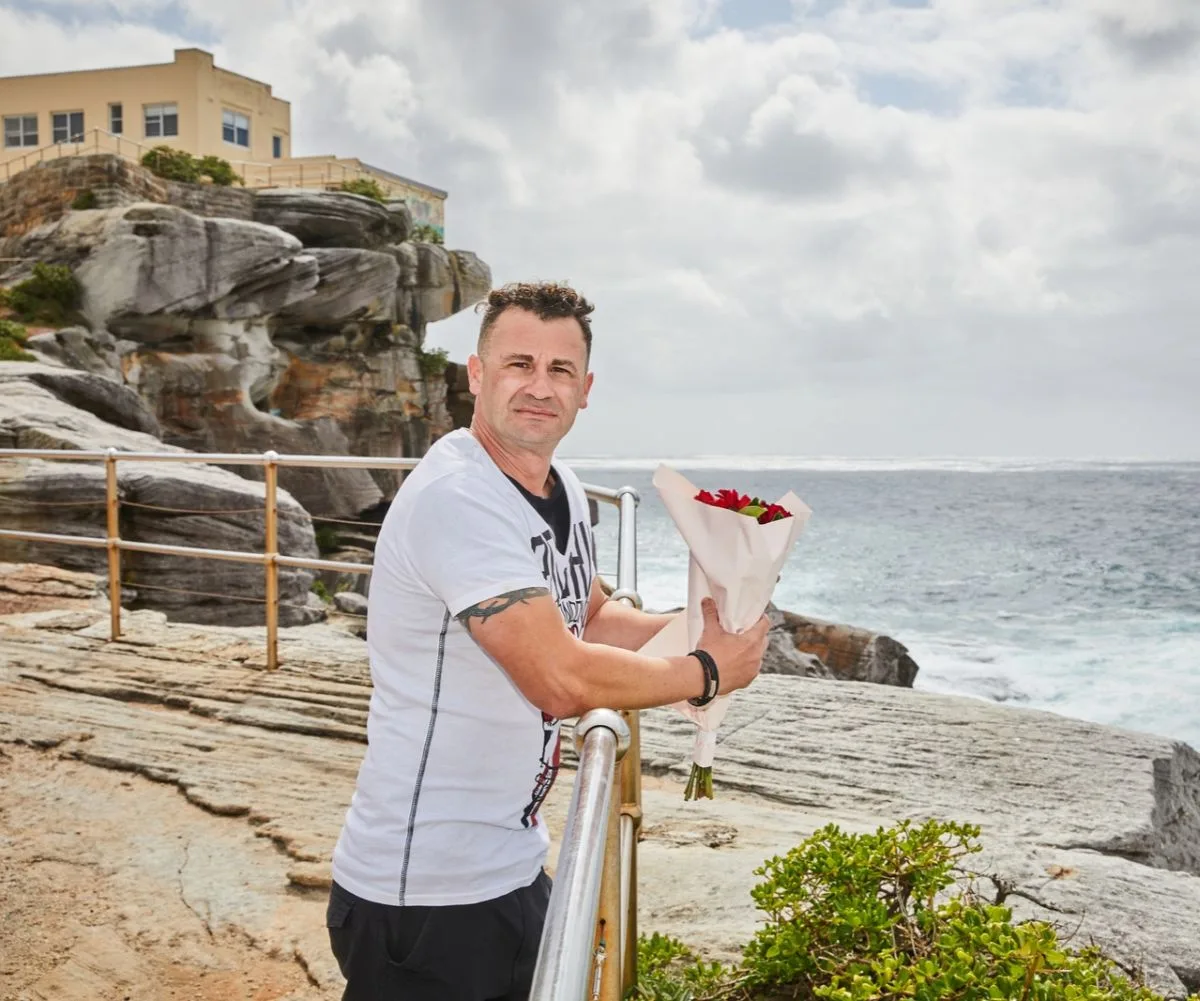
A crime “beyond comprehension”
And Ken believes her husband Anthony Koletti, who took 30 hours to report his wife missing, had no knowledge of Caddick’s crimes, nor aided her in her disappearance.
Regardless of how Caddick met her fate, she left behind a legacy of suffering.
After the liquidation of Caddick’s assets, her estate was finally settled on July 23 this year and the victims received about 40 cents for every dollar lost – less than half of their original nest eggs.
“It’s tough for my children, they will have a lot less money to inherit,” one female elderly victim previously told Woman’s Day.
“I will never understand what Melissa has done. It’s just beyond comprehension.”
As an investigator who is familiar with such fraud, Ken suggests people employ a professional before trusting anyone with their money.
“My advice to people who are investing money is to do background checks,” he says.
“An investigator would have very quickly found out that what she was doing was fraudulent. “The trouble with Caddick is she groomed her victims. She gained their trust. And that’s where the fraud began.”

Related stories
Native ad body.
Native ad body.


Native ad body.