



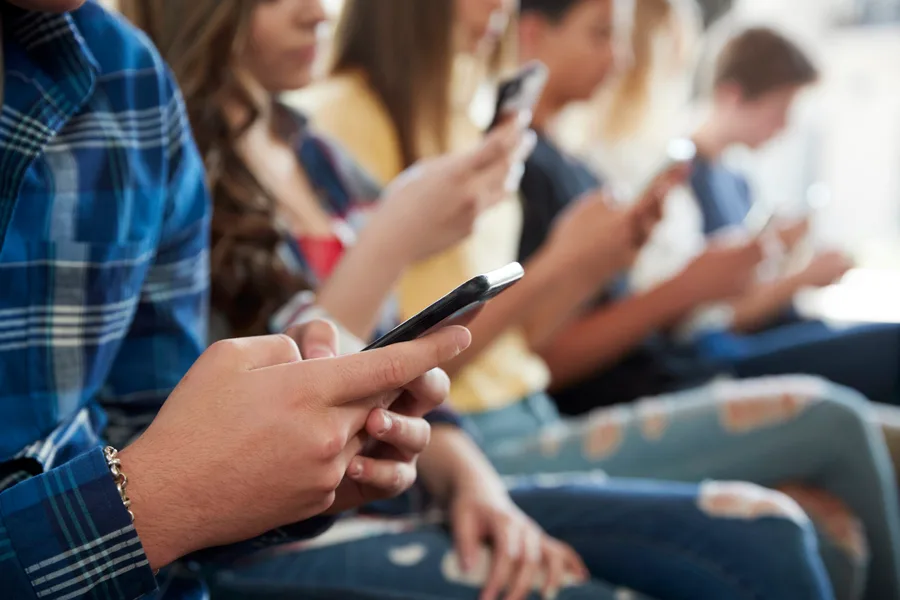
One of the biggest talking points for Aussie families right now is the so-called “social media ban.” From playground chatter to parent Facebook groups, everyone wants to know—is social media really getting banned for kids?
The short answer: not quite. From 10 December 2025, new social media age restrictions will take effect in Australia, meaning platforms will have to take reasonable steps to stop children under 16 from creating or keeping an account.
These world-first measures, introduced through the Online Safety Amendment (Social Media Minimum Age) Act 2024, aim to protect young Australians during a critical stage of development from the pressures and risks linked to heavy social media use, like exposure to harmful content, online bullying, and endless screen-time loops.
So what does this actually mean for parents, teens, and the apps they use every day? Let’s break it down.
Is the Australian Government going to ban TikTok?
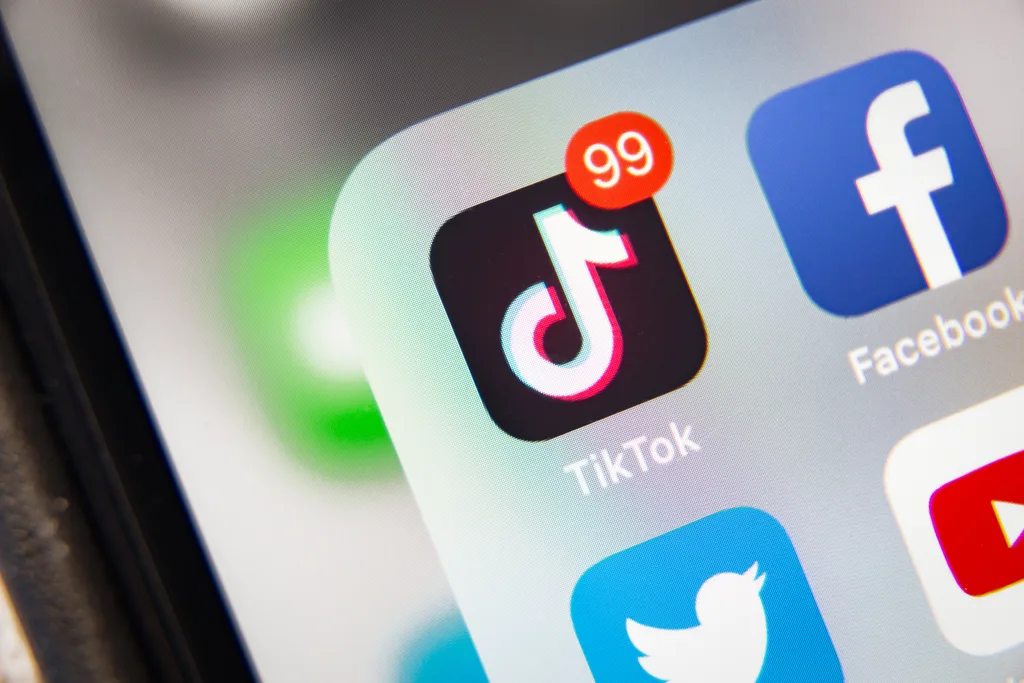
No, TikTok isn’t being banned, but like other major social media platforms, it will soon become an age-restricted platform.
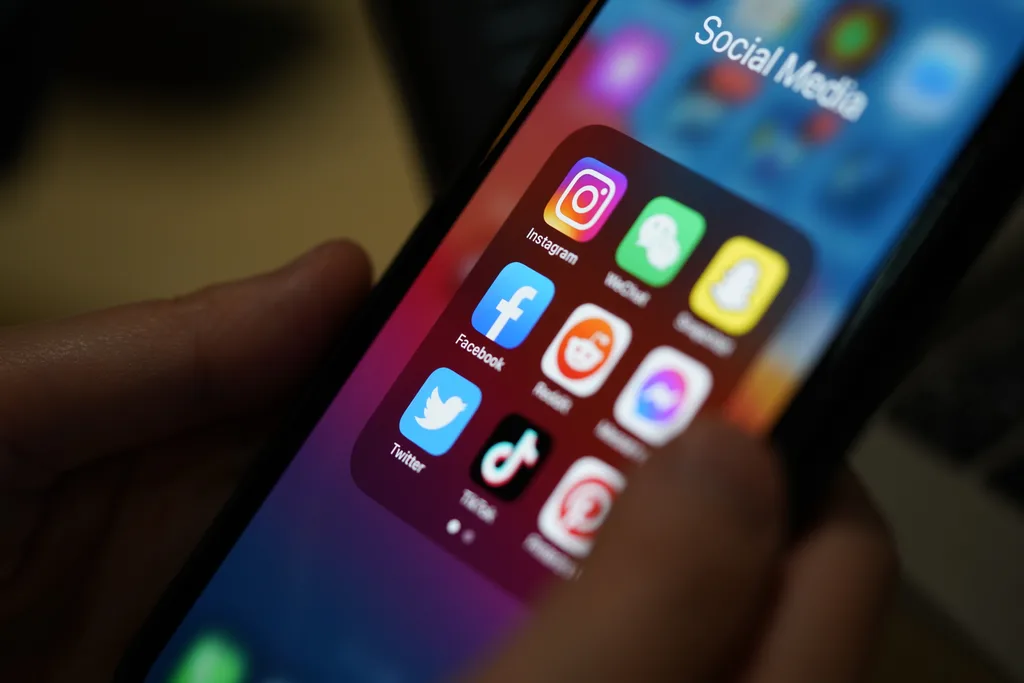
According to eSafety’s current guidance (as of 5 November 2025), the platforms that will be age-restricted include Facebook, Instagram, Snapchat, Threads, TikTok, X (formerly Twitter), YouTube, Kick and Reddit.
That list isn’t final, though; eSafety will continue to update it as the 10 December start date approaches.
If a platform is classed as age-restricted, it means the company must take reasonable steps to ensure under-16s can’t hold accounts. If they fail to do so, they could face serious penalties—up to $49.5 million for corporations.
What apps are getting banned?
Technically, none of these apps are “banned.” The Government has made it clear that this isn’t about punishment for kids or parents, it’s about making tech companies take responsibility.
If your child under 16 uses a platform that’s classified as age-restricted, they won’t be fined or penalised, and neither will you. The onus is entirely on the social media companies to enforce the new rules.
On the other hand, some services are excluded from these restrictions, such as:
- Online gaming services
- Standalone messaging apps (like WhatsApp or Messenger Kids)
- Educational tools such as Google Classroom
- Child-friendly versions like YouTube Kids or Kids Helpline
However, messaging apps that include social media-style features, for example, public posts or large group chats, could still fall under the new restrictions.
How does it work?
This is where things get a little technical.
Each platform will be required to take what’s called “reasonable steps” to make sure under-16s can’t have accounts. Exactly what those steps will look like is still being finalised by the eSafety Commissioner, who’s been consulting with parents, educators, young people, and tech experts.
There was early talk about using ID checks like driver’s licences or passports, but the Government has indicated that no single solution will be mandatory.
Instead, the system will likely rely on age assurance technologies that can estimate or verify age in privacy-preserving ways. The Government’s Age Assurance Technology Trial found that several methods could be effective if implemented carefully and transparently.
When is the ban happening?
The Social Media Minimum Age law officially comes into effect on 10 December 2025.
Until then, eSafety and the Australian Government are working with major platforms to help them prepare. Awareness campaigns like “For the good of their wellbeing” are already rolling out nationwide to educate parents and teens about the changes.
Even after the law takes effect, there will be a two-year review to ensure it’s working as intended and not causing unintended consequences.
What does UNICEF Australia think about the social media ban?
While UNICEF Australia welcomes the focus on protecting young people online, they’ve cautioned that these age restrictions won’t fix every problem.
In a statement, UNICEF said it’s vital that young people themselves are included in the conversation about online safety. Social media, they argue, can also offer important benefits such as helping teens stay connected, learn, and find community.
“It’s more important to make social media platforms safer and to listen to young people to make sure any changes actually help,” UNICEF Australia said.
That’s why UNICEF is continuing to work with government and youth voices to ensure that any new rules strike the right balance between safety, privacy and empowerment.
The bottom line for parents
This isn’t a total social media “ban,” but it’s a major shift in how Australia regulates children’s online experiences.
If you’re a parent, now’s the time to:
- Talk with your kids about the upcoming changes and why they’re happening
- Encourage open conversations about online safety and mental health
- Stay informed through trusted sources like eSafety’s Social Media Age Restrictions Hub
These changes aim to make the online world a little safer for young Australians, but staying involved in your child’s digital life remains the best protection of all.

Related stories
Native ad body.

Native ad body.




Native ad body.