




As Australians head home for the holidays, most of us look forward to familiar traditions – shared meals, stories, and light-hearted family debates.
But new YouGov research, released by in-home care platform Mable, suggests these gatherings could be more significant than we realise. They may be the perfect opportunity to check in on the well being of older loved ones.
The research highlights a gap: while 95% of Australians aged 35 and over believe it’s important to help relatives over 70 stay independent at home, only one in three feel confident in identifying what kind of support those relatives might need.
This national “Care Gap” shows that families care deeply but often lack guidance on how to spot early signs of decline or start conversations about care.
Mable’s Chief Growth Officer, Matthew Cavalier, explains that holidays are often when subtle changes become noticeable.
More than 60% of Australians say they have noticed a decline in an older relative’s mobility, cognitive abilities, or overall well being after time apart. Common signs include reduced mobility (67%), needing to rest more often (58%), and memory loss (44%).
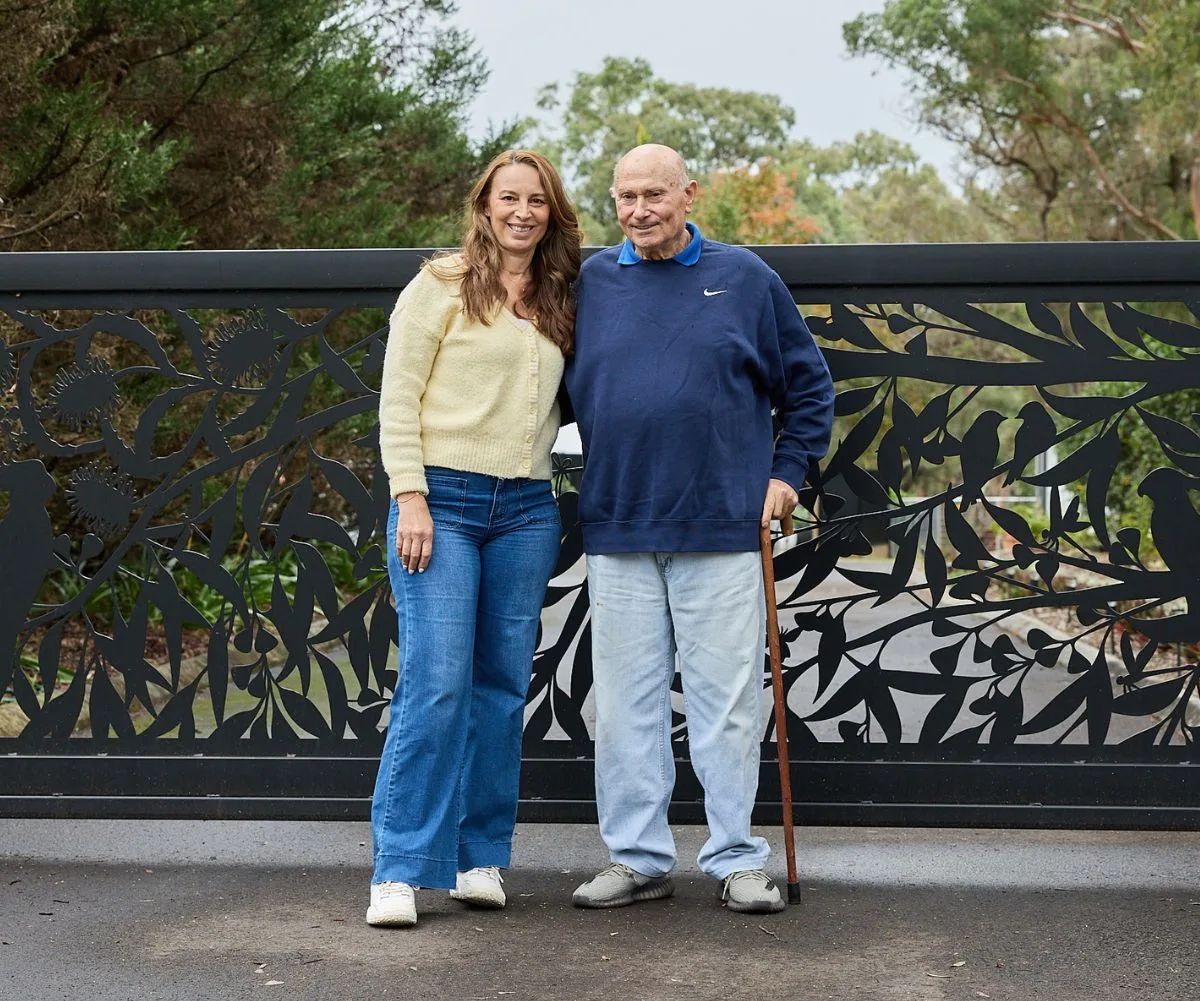
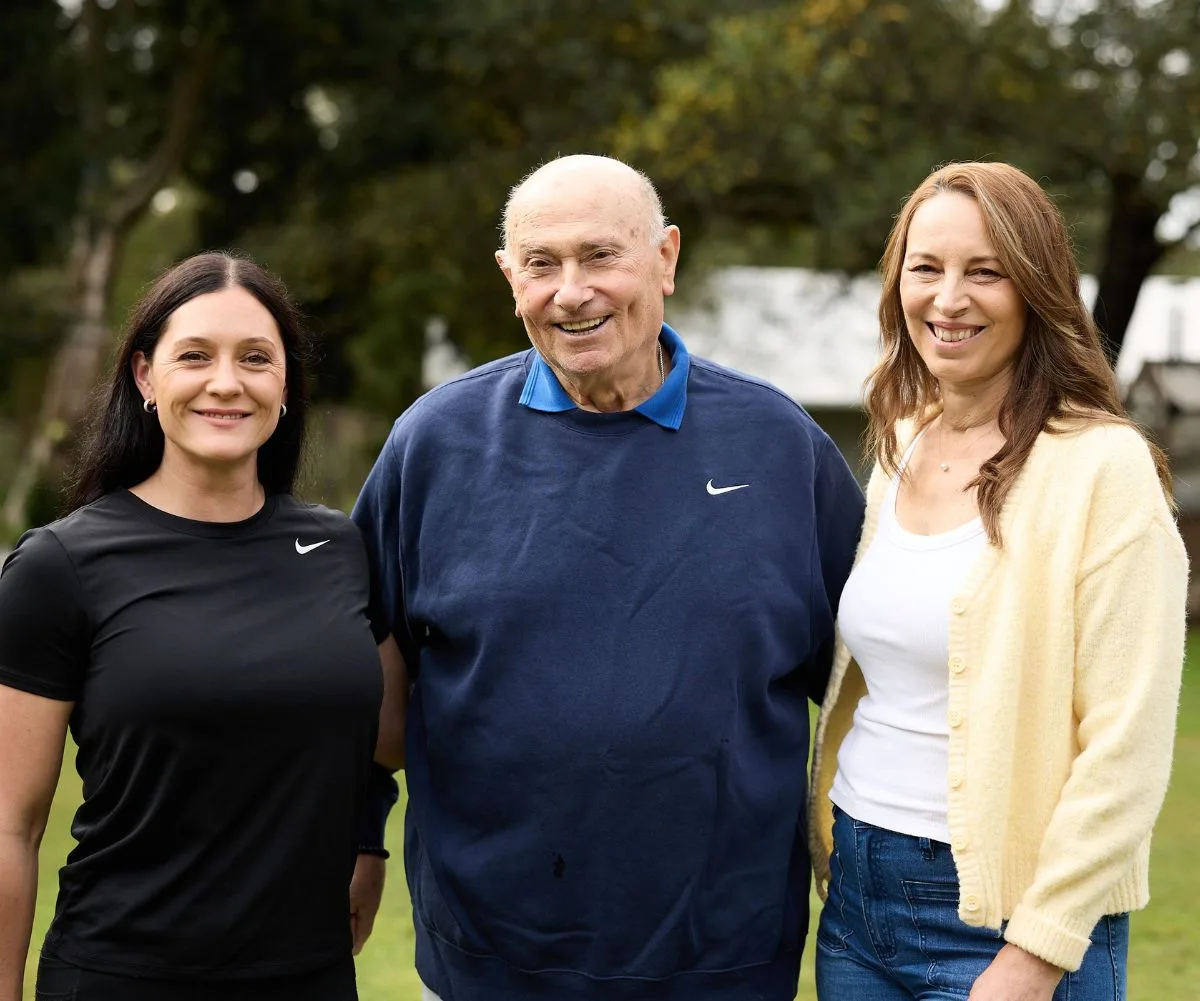
A real-life example comes from Simone Condopoulos and her father, Con.
Simone first joined Mable at the end of 2021, seeking support to help her dad manage the increasing needs of her mum, who was finding everyday tasks challenging due to dementia.
Introducing support wasn’t easy – her parents were reluctant, and when the first support worker arrived, Con and his wife refused to open the door. Culturally, accepting help was difficult, and the family struggled to accept that her parents could no longer manage on their own.
For Con, allowing a stranger into the home he had built with his wife required immense trust. It was an emotional step, as he was opening the door to a new reality. Yet, Simone persisted, and the results have been life-changing.
Today, Simone – a busy HR Director – benefits from trusted support workers, including Renee, who has become more than a worker and is considered part of the family.
To help families like Simone and Con, Mable has partnered with clinical psychologist Melissa Levi, who has guided over 1,000 families through similar challenges.
Together, they created the Holiday Check In, a set of practical resources including an early-warning signs checklist, tips for having caring conversations, guidance on GP appointments, and strategies for introducing support positively.
Levi points out that 81% of Australians face barriers when discussing future care, often because older relatives may not want to admit they need help. The Holiday Check In is designed to make these conversations warmer, easier, and empowering – helping families act with care and confidence.
For those who find additional support is needed, Mable connects families with independent support workers who can assist with household tasks, gardening, social support, and more. This ensures older Australians, like Con, can continue living safely and independently in their own homes.
This holiday season, the most meaningful gift may not be wrapped at all. It may simply be taking the time to notice subtle changes, ask a gentle question, and start a caring conversation. Small actions like these can make a big difference, helping loved ones age with dignity, comfort, and the independence they value most.

Related stories

Native ad body.
Native ad body.




Native ad body.