





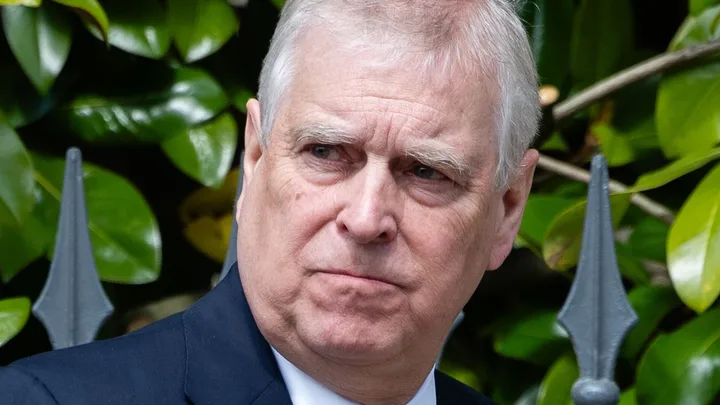
Following the arrest of Andrew Mountbatten-Windsor on February 19, there are plenty of unanswered questions.
With the former Prince Andrew’s arrest marking the most serious detainment of a member of the royal family since 1649, what happens next is unprecedented.
From his arrest to the charges and the ramifications for King Charles and the rest of the British royal family, we break down everything you need to know about this latest development in the disgraced royal’s downfall.
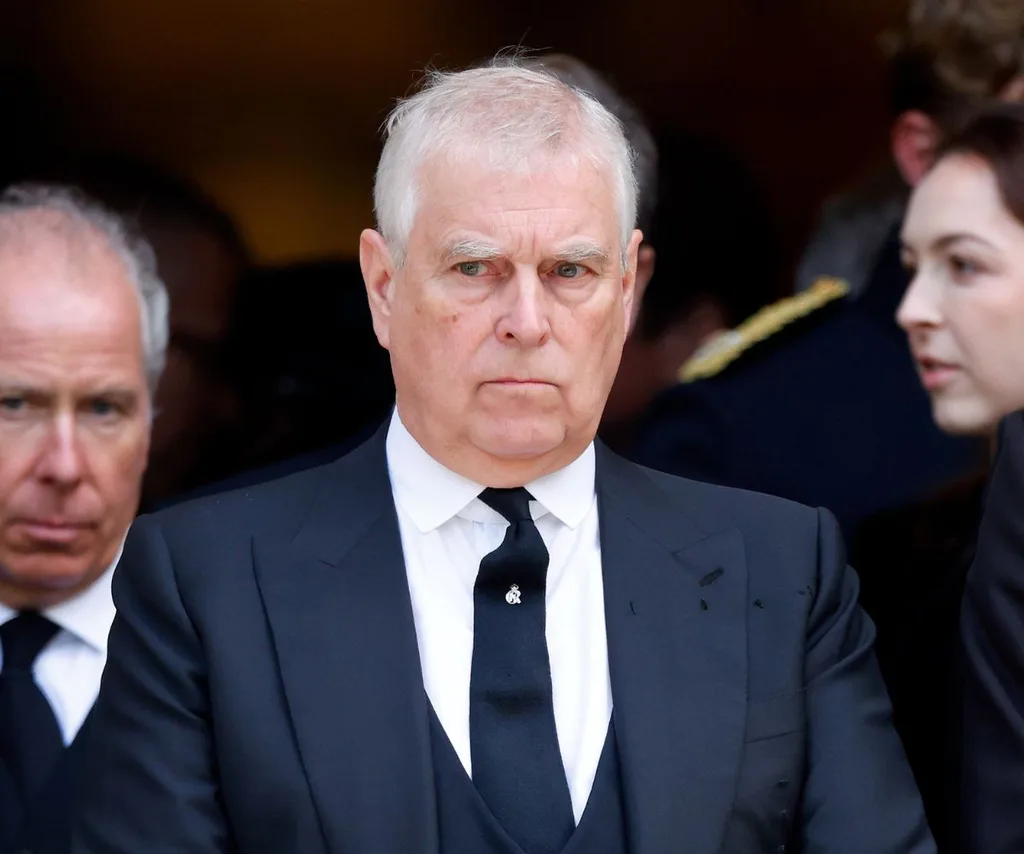
What was Andrew Mountbatten-Windsor arrested for?
On the morning of February 19 – his 66th birthday – Andrew Mountbatten-Windsor was arrested at his home on Sandringham Estate.
He was taken in for questioning on suspicion of misconduct in public office. According to the Thames Valley Police, he had allegedly shared confidential material with late sex offender and banker Jeffrey Epstein while serving as a British trade envoy.
From 2001-2011, Andrew served as British trade envoy, during which he had access to senior government and business contacts globally. Reports suggest he allegedly forwarded government reports to Epstein in 2010, disregarding his duty of confidentiality relating to sensitive, commercial or political information.
Misconduct in public office is committed if a public officer “wilfully neglects to perform his or her duty” or “wilfully misconducts” to such a degree that it amounts to an abuse of the public’s trust.
After being detained for more than 10 hours, Andrew was released “under investigation”.
According to reports, neither King Charles nor Buckingham Palace were informed that Andrew was going to be arrested by Thames Valley Police officers.
Andrew continues to deny any wrongdoing.
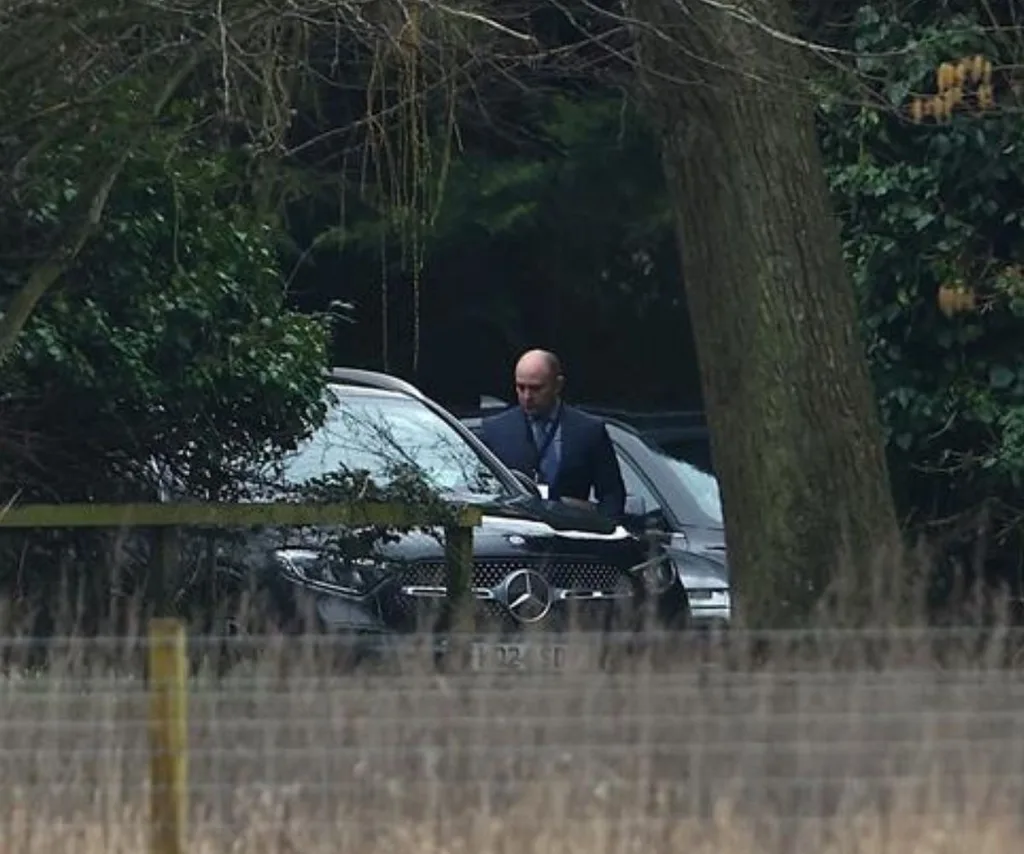
Was Andrew Mountbatten-Windsor charged?
Andrew Mountbatten-Windsor has not yet been charged, following his arrest on suspicion of misconduct in public office.

While the College of Police’s national guidance prohibits suspects from being identified until they have been charged, Thames Valley Police issued a statement after Andrew was seen exiting Aylsham Police Station.
“On Thursday, we arrested a man in his sixties from Norfolk on suspicion of misconduct in public office,” it read. “The arrested man has now been released under investigation.
“We can also confirm that our searches in Norfolk have now concluded.”
Under the Contempt of Court Act, after arrest, a case is considered “active”.
What are the chances of charges being laid against Andrew Mountbatten-Windsor?
The charge of misconduct in public office is considered ill-defined and is currently under parliamentary review.
At present, it is widely deemed to be notoriously difficult to secure a conviction.
The Crown Prosecution Service must now decide whether or not to proceed with the case under the full code test.
Subsequently, a conviction would come down to the legal definitions of a “public officer” and “wilful” and, if charged, it would be under the old law.

Could we see Andrew Mountbatten-Windsor in court?
A serious common law crime, if charged with misconduct in public office, the case will go to trial by jury.
It is expected that Andrew would be defended in court by criminal defence lawyer Gary Bloxsome, who has represented him since 2020.
According to the UK Daily Telegraph, Andrew would be expected to cover his own legal costs.
“[Buckingham Palace will] ensure the taxpayer does not foot Andrew’s legal bill,” they reported.
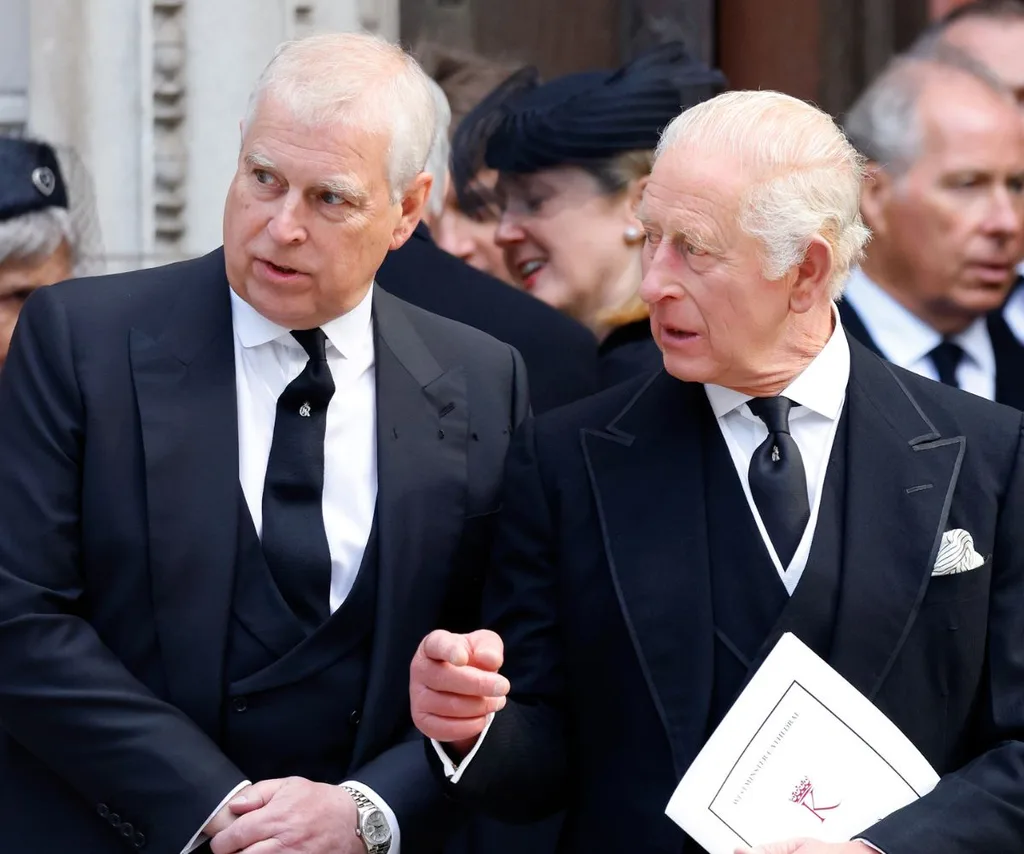
Will King Charles have to testify against Andrew Mountbatten-Windsor?
Following Andrew’s arrest, King Charles has come out in support of the police investigation into his brother.
Charles insisted “the law must take its course”.
“What now follows is the full, fair and proper process by which this issue is investigated in the appropriate manner and by the appropriate authorities,” his statement read. “In this, as I have said before, they have our full and wholehearted support and cooperation.”
What is the maximum sentence Andrew Mountbatten-Windsor could face if convicted?
If convicted, Andrew Mountbatten-Windsor faces a maximum sentence of life imprisonment for misconduct in public office.

