


John Wayne Gacy’s trial in 1979 attracted global attention as details of his horrific murder spree were revealed and he was sentenced to death.
But 14 years later, in October 1993, the man famously known as the “Killer Clown” remained on death row.
That was when Karen Conti, then 29, and her partner, Greg Adamski, got a call in their Chicago law office that changed their lives.
“When we got the call to represent Gacy, I didn’t want to pass up the opportunity of being in the presence of the world’s most notorious serial killer,” Karen tells Woman’s Day.
“I’d never known what it was like to look evil in the eyes, and I’d never been on death row.”
Karen was still a high school student in Chicago, Illinois, when Gacy was convicted of murdering 33 boys and young men in her hometown.
The criminal lawyer remembers reading about the happily married construction business owner who headed to church, mowed his neighbours’ lawns, and dressed as a clown to entertain children at birthday parties.
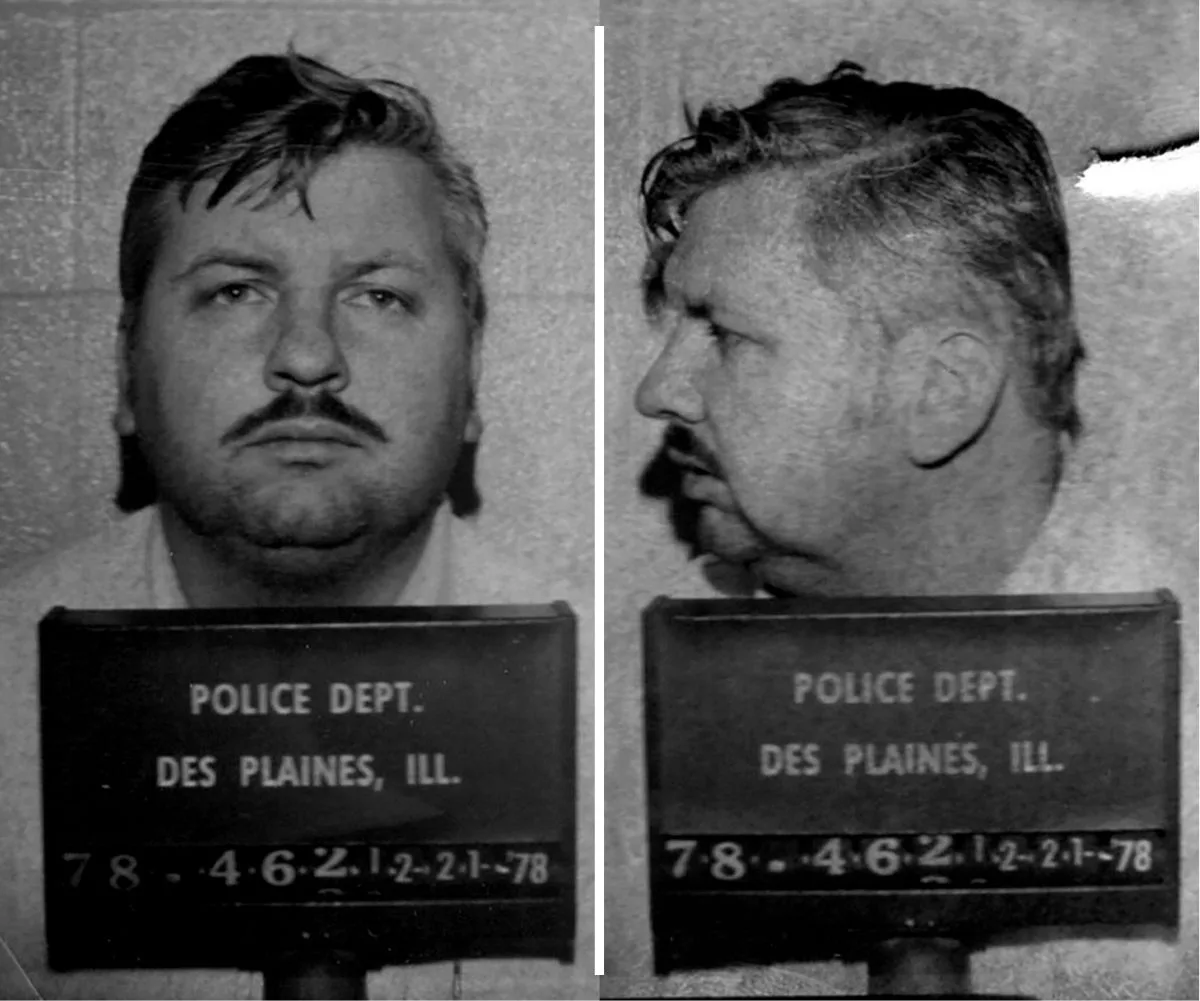
But, during the 1970s, Gacy was also a calculating serial killer who lured victims to his suburban home, where he raped and killed them.
Twenty-nine bodies were found under his house and buried in his backyard.
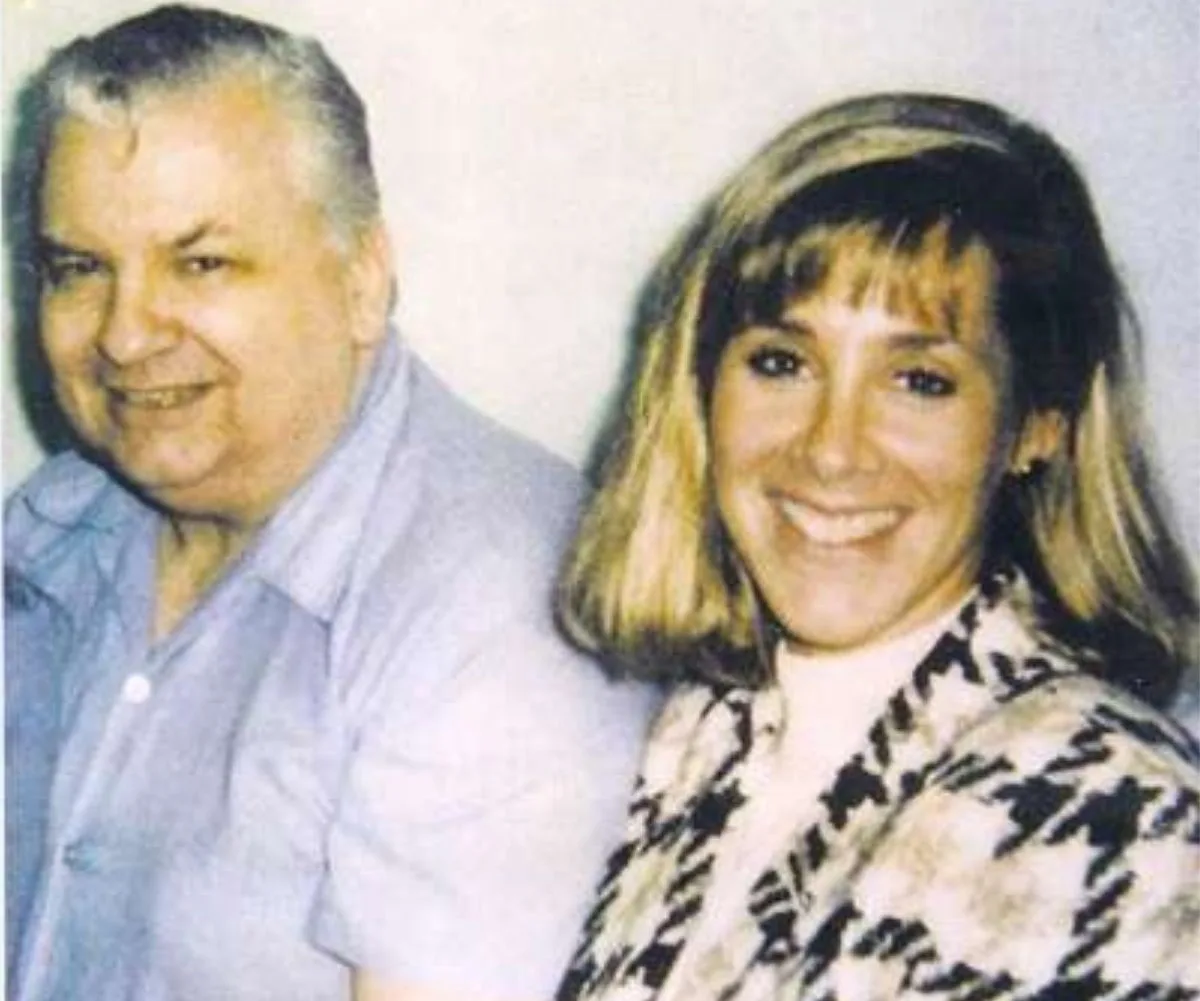
CHARMING & CHILLING
The US government wanted to seize Gacy’s assets to cover the costs of keeping him in jail and also wanted to stop him from selling the ghoulish paintings he created in his prison cell.
Gacy wanted Karen and Greg to fight this.
So, Karen became the only woman on Gacy’s legal team – but instead of fighting to save the killer’s assets, she joined the fight to save Gacy from a lethal injection.


“Greg and I went to prison to see Gacy. We wound our way through corridors until guards led us to a bullpen where prisoners walked around freely,” recalls Karen.
“There were no screens separating us – I was in a room with the worst killers in the history of Illinois, but I wasn’t afraid because prisoners know lawyers are there to help.”
She can still remember the first time she set eyes on Gacy.
‘I’d never known what it was like to look evil in the eyes’
“My very first impression was just how unremarkable he was. He was only 175cm tall, stout and had the pasty pallor that can come with years in prison,” she says.
“[But] he was charming, a good talker and told a lot of jokes, and it was hard to imagine him doing what he did to his victims when he talked to me like I was his favourite niece. It was very chilling.”
That first meeting was the beginning of months of lengthy prison visits and daily phone calls with Gacy.
He called Karen “Doll Face”, and she became the person in the team who’d calm Gacy when he got aggressive.
“He liked women. He loved his mother and two sisters, and he got along well with his two wives. I could often soften him up because while Gacy could be funny and pleasant, he could suddenly turn and be aggressive,” says Karen.
“He was a manipulative sociopath but, as a lawyer, with any client you have to find something you like about them. That was my job. We’d talk about news events and he knew a lot about the history of Chicago. He was intelligent and easy to talk to.”
She believes Gacy’s abusive father played a role in shaping him.
His father named Gacy after macho actor John Wayne, but Gacy preferred cooking and gardening to hunting and basketball.
But Karen, 62, was under no illusions as to Gacy’s guilt and his heinous crimes that destroyed so many lives.
Fighting to save Gacy from execution brought criticism from those who felt he deserved to die.
“This was my chance to stand up against the death penalty. I felt it was wrong – even for John Wayne Gacy,” she says simply.
LAST MEAL
But in the early hours of May 10, 1994, Gacy took his last breath.
A few hours earlier, in a room where Gacy gathered to say goodbye to friends and family, Karen had delivered the news to the 52-year-old that his last avenue to avoid death had been rejected.
She remembers him smiling, grabbing her hand with his handcuffed hands, and then turning back towards his family to enjoy a last meal of deep-fried shrimp, French fries and Diet Coke.
Karen’s last sight of Gacy was of him surrounded by the people he loved and being the “life and soul of the party”.
Karen believes that there were more victims of the killer.
“I’m sure that other boys and men went missing back then but there were no databases for police to be able to join the dots. I have no doubt that there are more Gacy victims out there.”

