





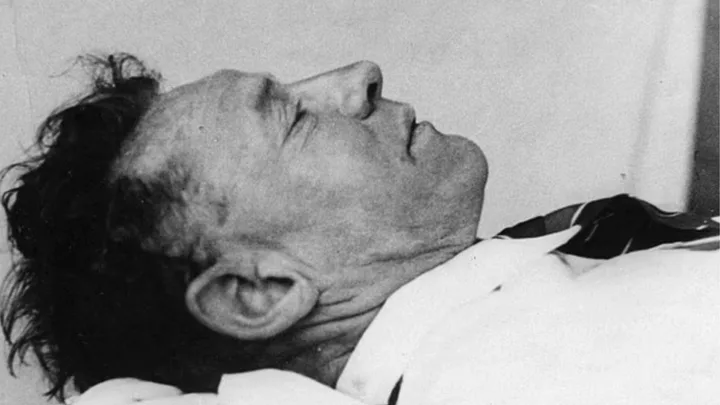
The case of the Somerton Man is the Australian cold case that’s stumped generations of police detectives and led to rumours involving spies, poison and a possible murder.
Now South Australian police are close to finishing its report for the coroner and putting the 78-year-old mystery to rest.
In 2022, the Somerton Man was finally given a name, more than 70 years after his body was discovered on Adelaide’s Somerton Beach on December 1, 1948.
The deceased man was found fully clothed with a coded note and a book of Persian poetry. But police were unable to identify the mystery man for decades, despite multiple appeals and investigations.
MYSTERY MAN
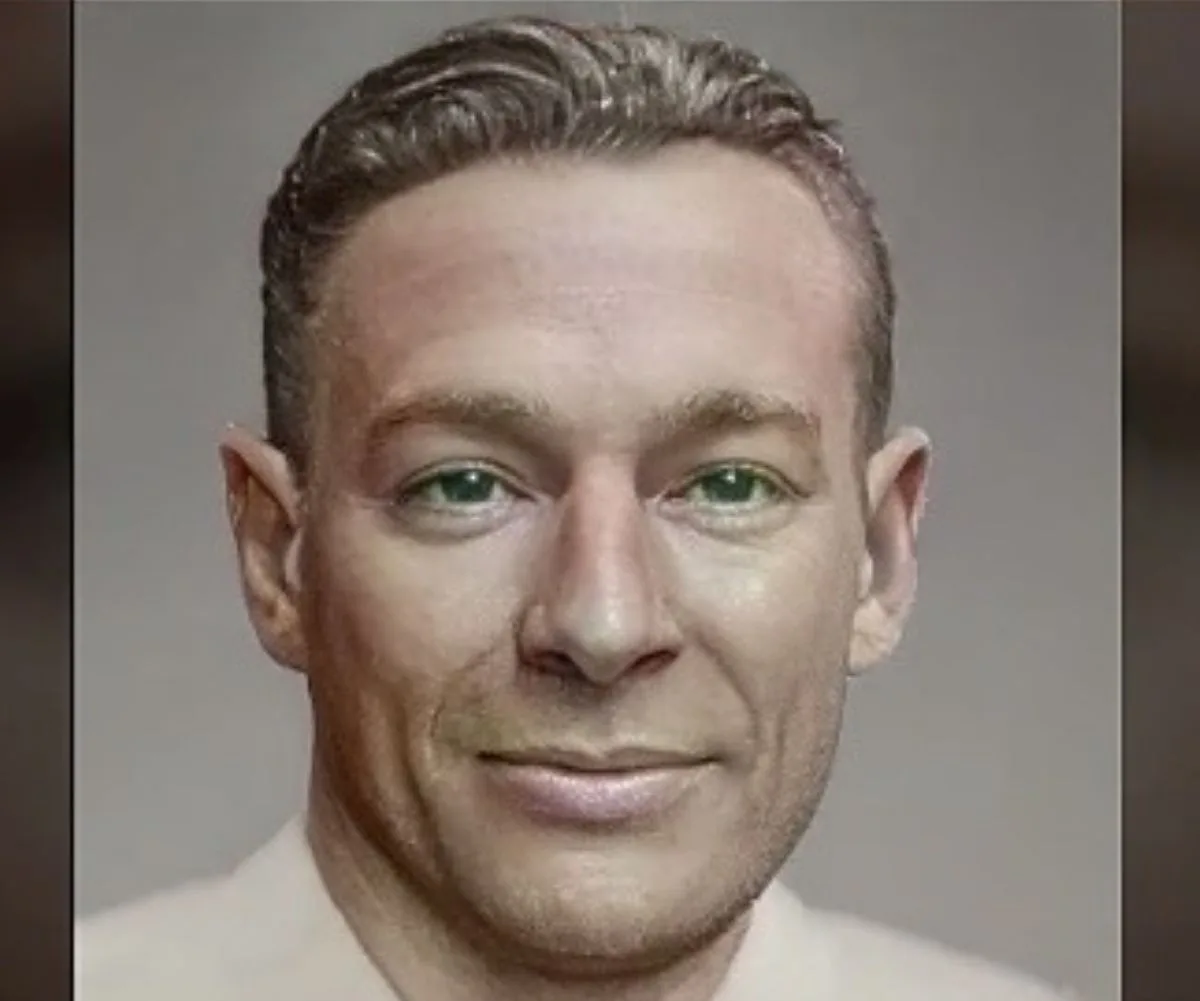
Four years ago, DNA evidence revealed the Somerton Man was Carl “Charles” Webb, a 43-year-old electrical engineer and instrument maker from Footscray.
University of Adelaide Professor Derek Abbott used hair from a plaster cast police made of his face in 1948 to build a family tree profile. This linked the dead man’s DNA to Carl’s distant relatives, who are still alive today.
However, police are said to be focussed on confirming the Somerton Man’s identity and not the cause of his death.
“When just got bones after more than 70 years, it’s very unlikely that you can see a cause of death, unless you’ve got a crushed-in skull or something like that, which we don’t have,” Derek told the ABC.
“So, really, there’s nothing you can do at this stage to determine his cause of death, unfortunately.”
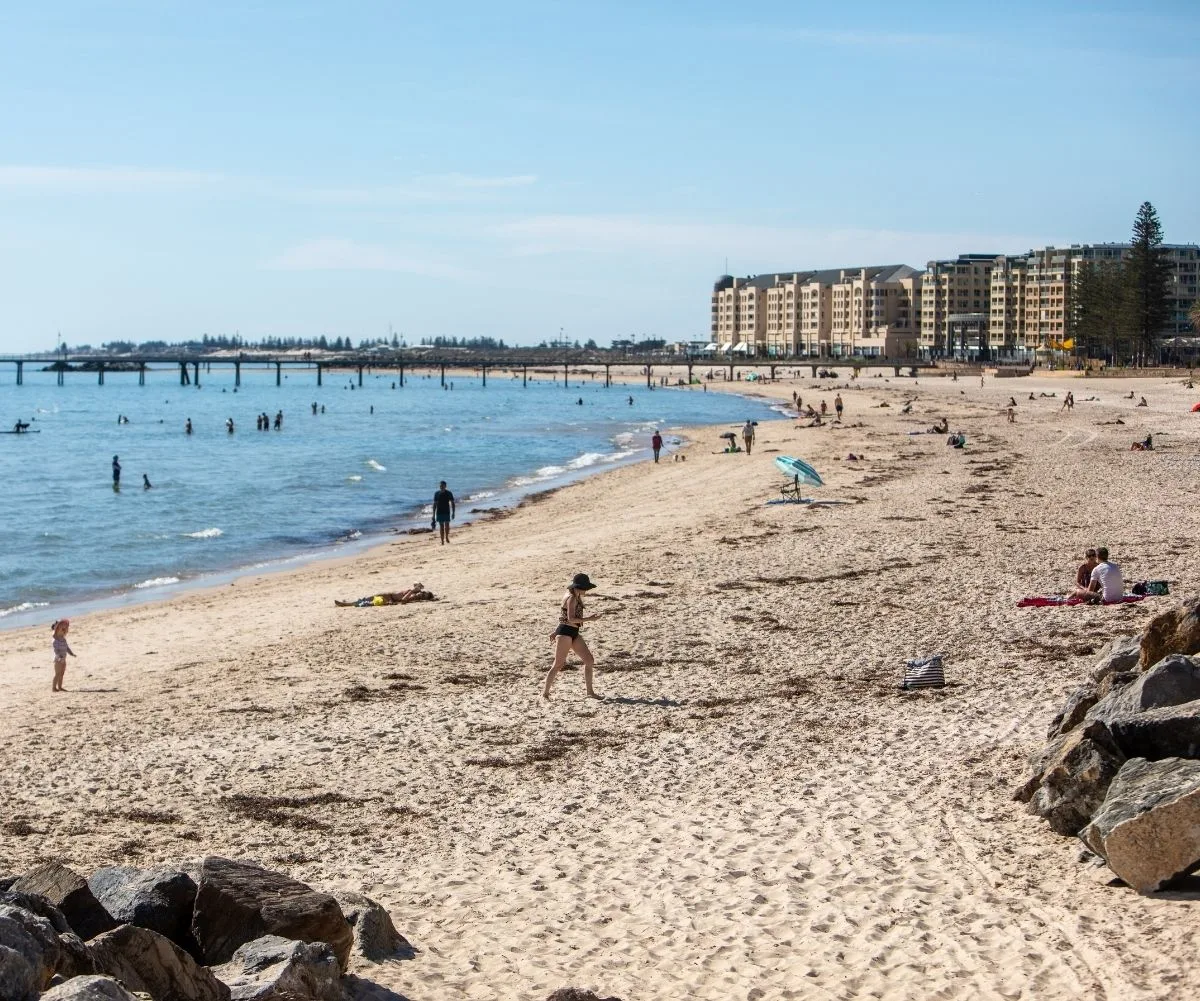
The Somerton Man was found slumped against the seawall at the top of the beach, wearing a perfectly pressed double-breasted suit and polished shoes with an unlit cigarette resting on his chest.
He was supposedly poisoned, according to a post-mortem conducted at the time. No one ever came forward to claim his body which only added to the intrigue and conspiracy theories.
It became the most famous cold case in Australian history as police and scientists grappled to identify the man and unravel the puzzle behind his death.
Was he murdered by a spurned lover? Was he a Russian spy? What did the coded message hidden in his suit jacket mean?
But instead he was revealed to be a down-on-his luck and heartbroken man from Melbourne, whose body was found by two trainee jockeys on Somerton Beach all those years ago.
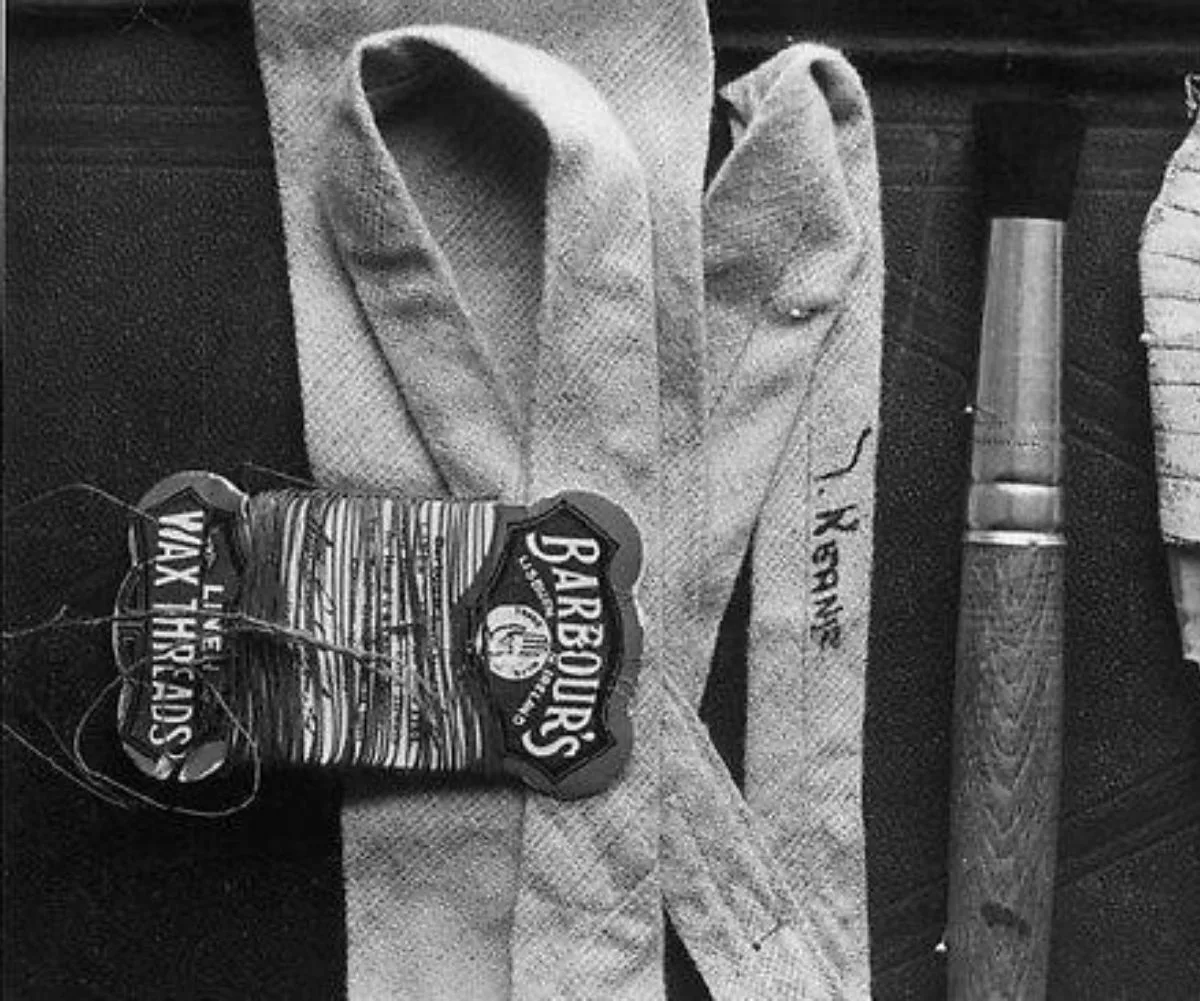
Professor Abbott said there was also a link between the Somerton Man and the name “T Keane”, which was printed on the tie the man was wearing, explaining that Carl had a brother-in-law named Thomas Keane, who lived near when Carl resided in Melbourne.
LUCKY BREAK
The investigation also revealed that Carl had recently separated from his wife, who had moved to Adelaide from Melbourne, which could explain why he was in the city at the time of his still unexplained death.
Professor Abbott, who spent decades trying to solve the puzzle of the Somerton Man’s identity, worked closely with renowned American genealogist Colleen Fitzpatrick, who says the last thing known about Carl is that he separated from his wife in April 1947.
“He and his wife were not having a really easy time of it and separated and after that we don’t know what happened to him,” Colleen said, explaining that if she and Professor Abbott hadn’t found a young man who matched closely to the Somerton Man’s DNA, the riddle may have never been solved.
“We were fortunate enough to get a young man who matched close enough that we could build his family tree. We didn’t just use one cousin. When you do a test like this you come up with a list of people who are related to you because they share DNA.”
She explained that after building a family tree of about 4000 people, they traced a connection to Carl Webb’s mother’s and father’s sides of the family and were confident they had finally solved the puzzle.
FINAL REVEAL
“We used distant relatives. We used their DNA and that’s how we found the connection. Of all the relatives we looked at, he’s the only one who didn’t have a date of death. It really has to be him,” said Colleen.
“There are living relatives, it’s just that they’re distant because he was born in 1905 and he and his wife had no children, so if there are any connections… it would be through his father and mother and his brothers and sisters.”
SA Police have told Derek that their findings would be revealed in the next few weeks. The coroner is expected to present their findings by the end of the year.

