





Content warning: This article contains references to body image and eating disorders.
Over the last decade, society has come a long way in how we talk about bodies. For a while there, it felt like we collectively looked back at fatphobic discourse about celebrity bodies and recognised how damaging it was for people consuming that content at home. As a society, we seemed to welcome body positivity movements and shift the perception of beauty, albeit slightly, to a healthier, more diverse lens.
Most recently, the beauty goal posts have shifted. Slowly but surely, with the rise of accessible weight-loss drugs like GLP-1s and celebrities on our screens becoming noticeably thinner, a new wave of body-based anxiety has arrived. In Dateline‘s latest documentary Under The Thinfluence, journalist Rhiona-Jade Armont investigates how Big Tech and the return of mainstream extreme thinness have made niche corners of the internet more accessible than ever, questioning whose responsibility it is to protect children and young people from the potential risk of damaging pro-eating disorder materials.
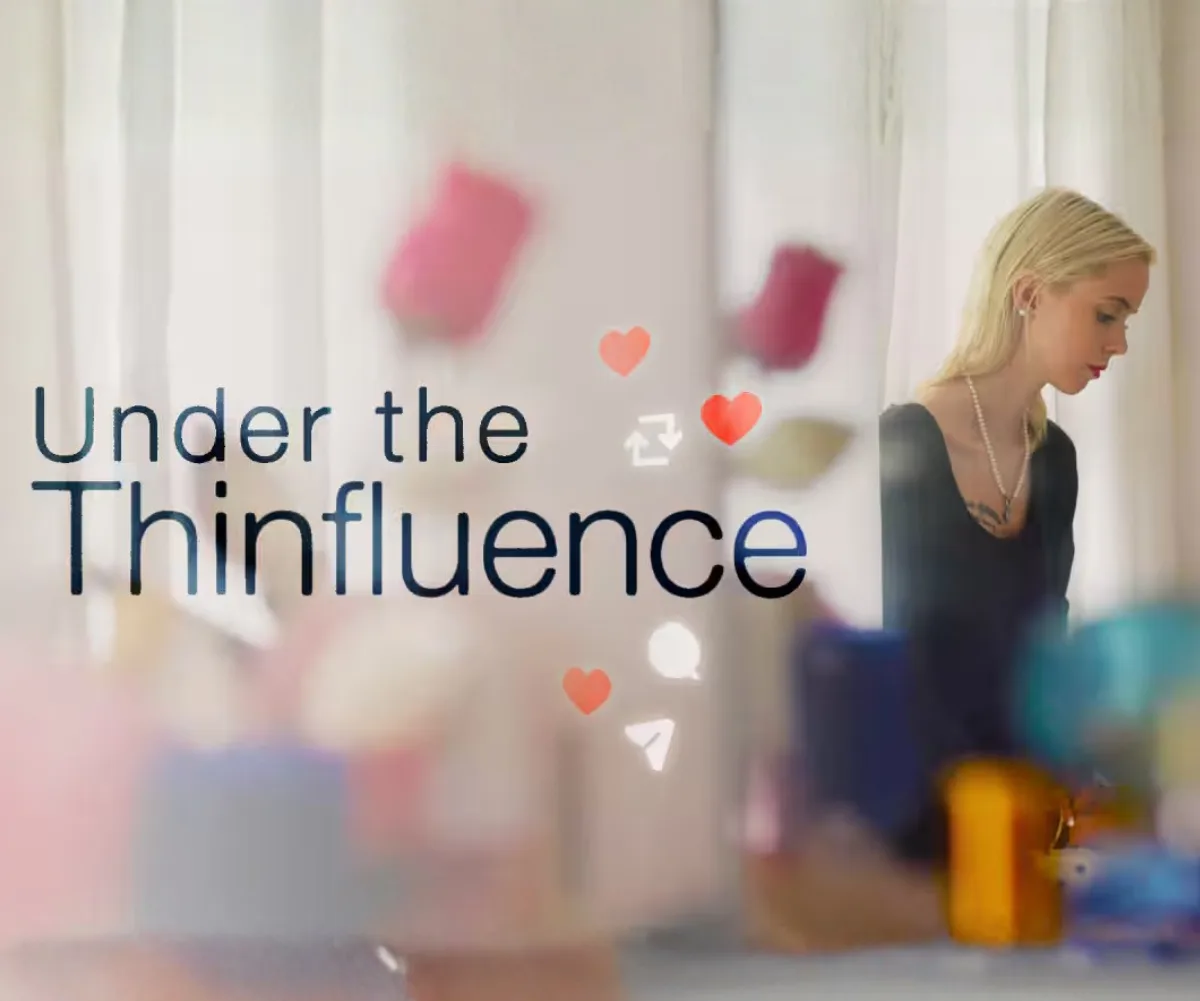
The documentary revolves around the creation and impact of “thinfluencer” content — content created around the concept of thinness masked amongst fitness, wellness, fashion and food subcultures. While the doco defends the right to individual self-expression online, it questions where the line should be drawn for creators and social platforms hosting such potentially damaging material.
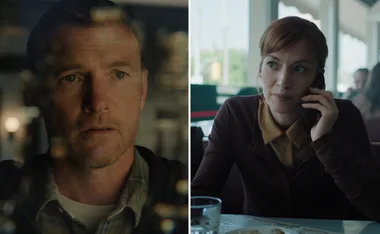

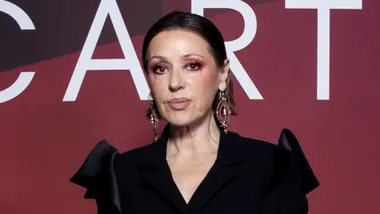
According to Rhiona, there is no easy answer.
“It’s hard because in some ways we’re past the point of telling people to be safe online,” Rhiona tells TV WEEK.
“Of course, there are things you can do. You can curate your feed or your kids’ feed. You can use the tools such as the ‘not interested’ buttons or use parental controls. You can have really good, healthy conversations with your kids about what they’re looking at and what they’re drawn to. But ultimately, I think this story looks at how you can do everything right and still be at risk to go down a really dark path.”
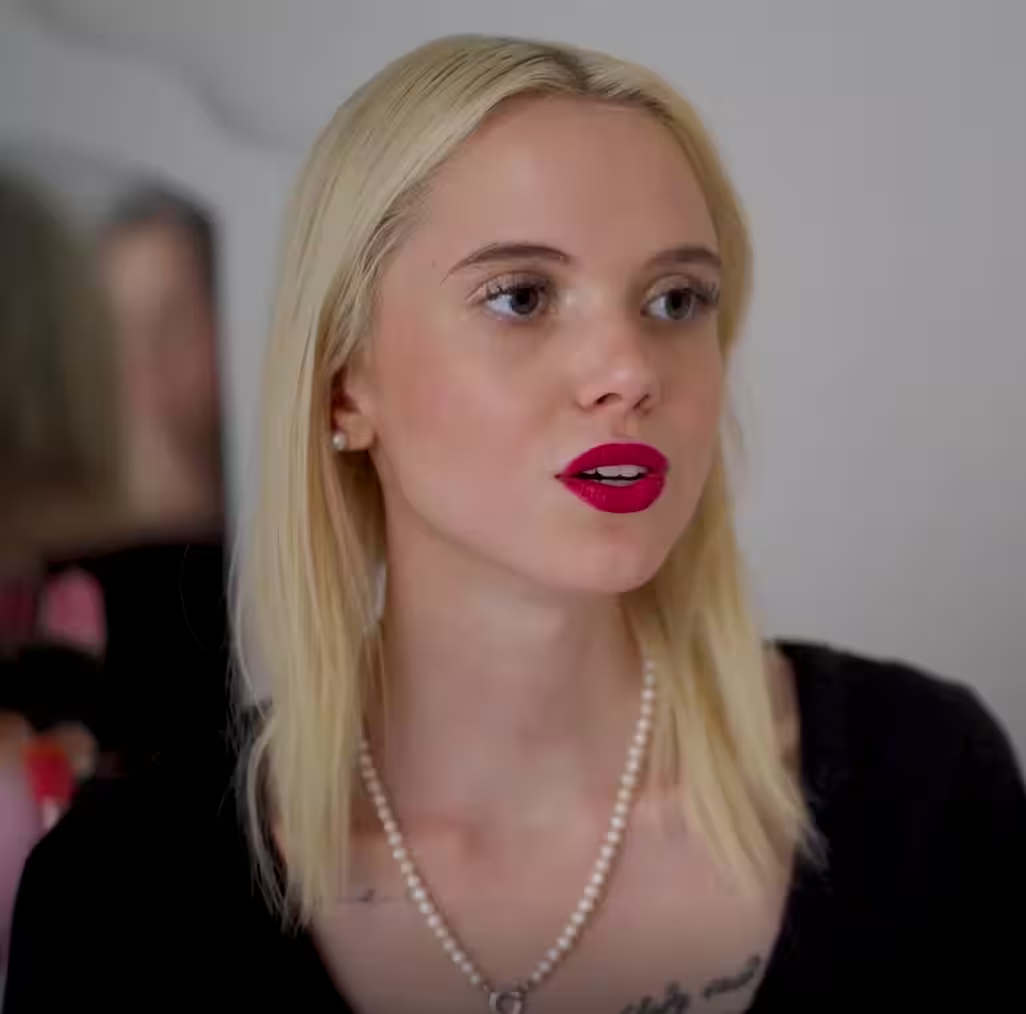
One of the biggest questions the documentary raises is the role that social media platforms play in elevating and promoting this kind of material. While Rhiona traveled to the United States to discuss Big Tech’s role in targeting children, she says the issue is just as urgent in Australia, even with the country’s newly-introduced Under-16 social media ban.
“It did open my mind a little bit. One of the legal experts we spoke to in the US commended on how hard it is to enforce a ban like this, and we can already see in some early studies that up to 85 per cent of people aren’t complying,” she explains.
“While the actual enforcing of the ban is really hard, there’s also the idea that marginalised kids are going to be impacted the most through their ability to connect with people and have their access to information impeded. When you listen to everyone, each point of view makes sense. It’s tricky.”
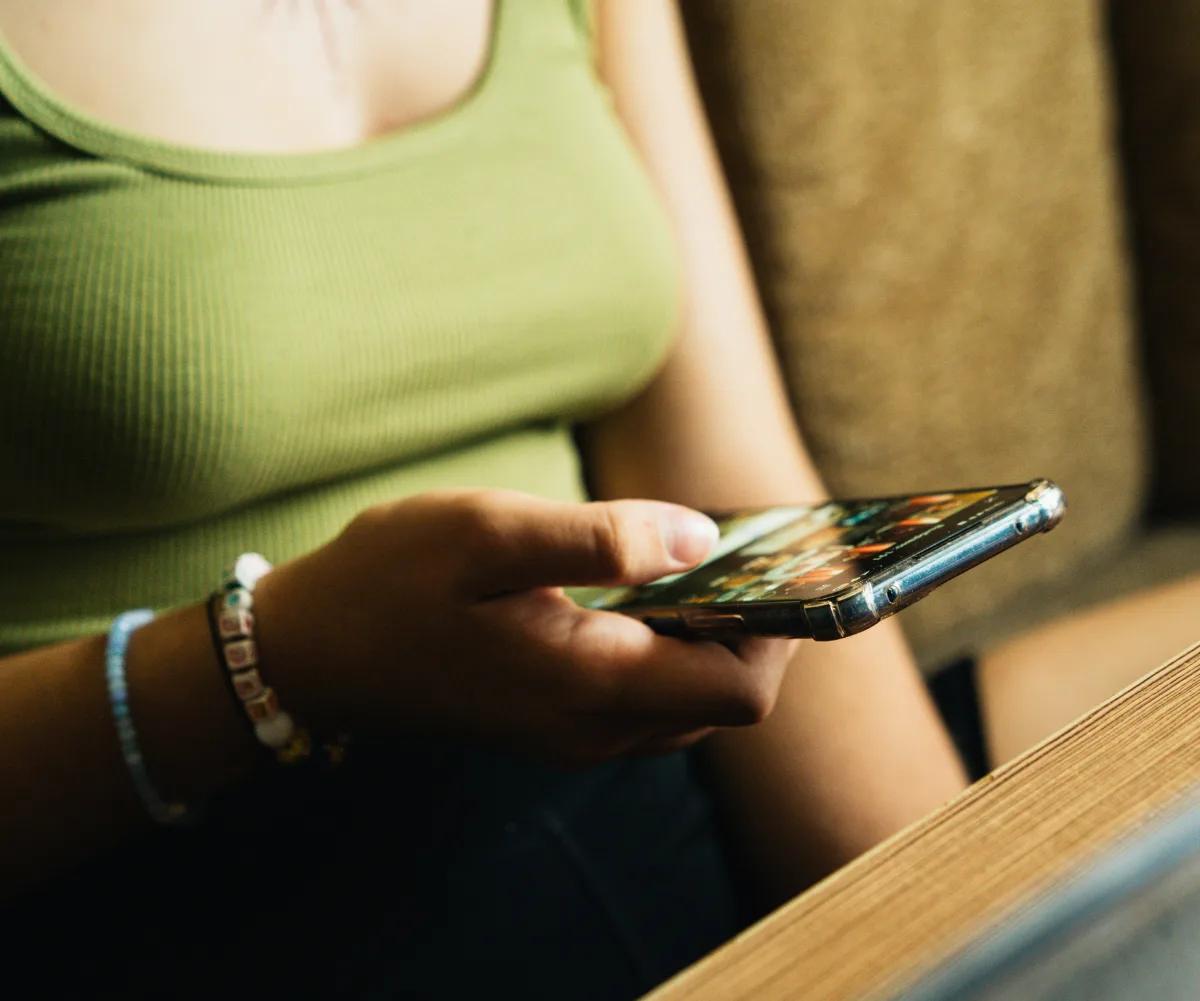
Admittedly, touching on eating disorders is a difficult topic as it is. But to add more nuance to an already murky discussion, Rhiona says it’s important to note that thinfluencing content doesn’t necessarily mean confronting images of skeletally thin people, instead, it can blur a line between fitness and wellness content, unintentionally leading people down a dangerous pathway that they may not have intended to be on.
“This is the core tension of this story for me,” Rhiona explains.
“I went back and forth on this so much myself. Is it up to the individual content creator to simply stop posting? Is it up to a child to not look for this content and engage with it when they see it? Is it up to a parent to monitor or limit their exposure to it? Or is it up to a government body or a tech company?
“At every turn, you have another voice going, ‘well, this doesn’t make sense because of X and Y. It’s just devastating because everyone in this conversation seems to have exactly the same goal, which is to protect children, and yet we cannot agree on how to get there.
“In the meantime, people’s lives are on the line. The stakes couldn’t be higher.”
For the full story, you can watch Dateline’s Under the Thinfluence on SBS on Tuesday 30 June at 9:30pm or stream on SBS On Demand.
For support, call the Butterfly National Helpline on 1800 ED HOPE (1800 33 4673) or visit www.butterfly.org.au to chat online or email, 7 days a week, 8am-midnight (AEST).
You can also reach Lifeline on 13 11 14 www.lifeline.org.au, Beyond Blue and Kids Helpline (for people aged five to 25) on 1800 55 1800.

