



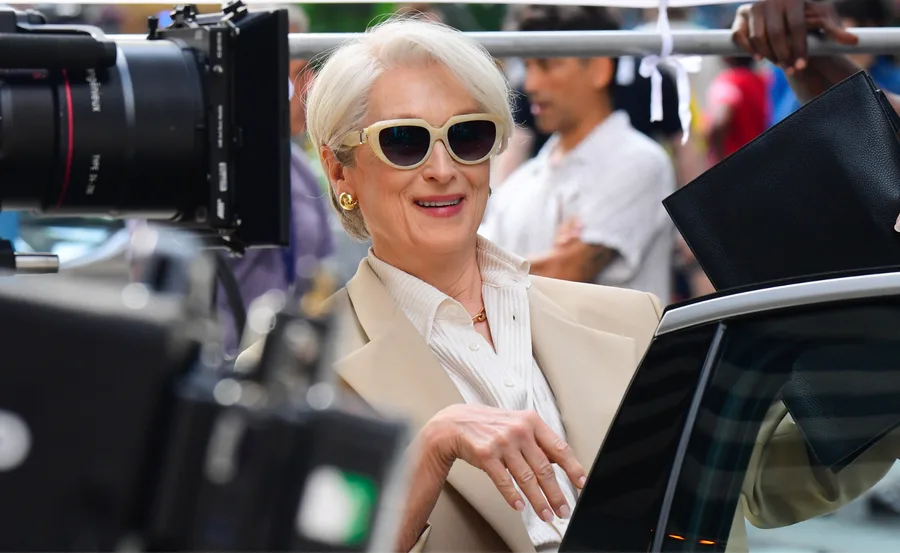
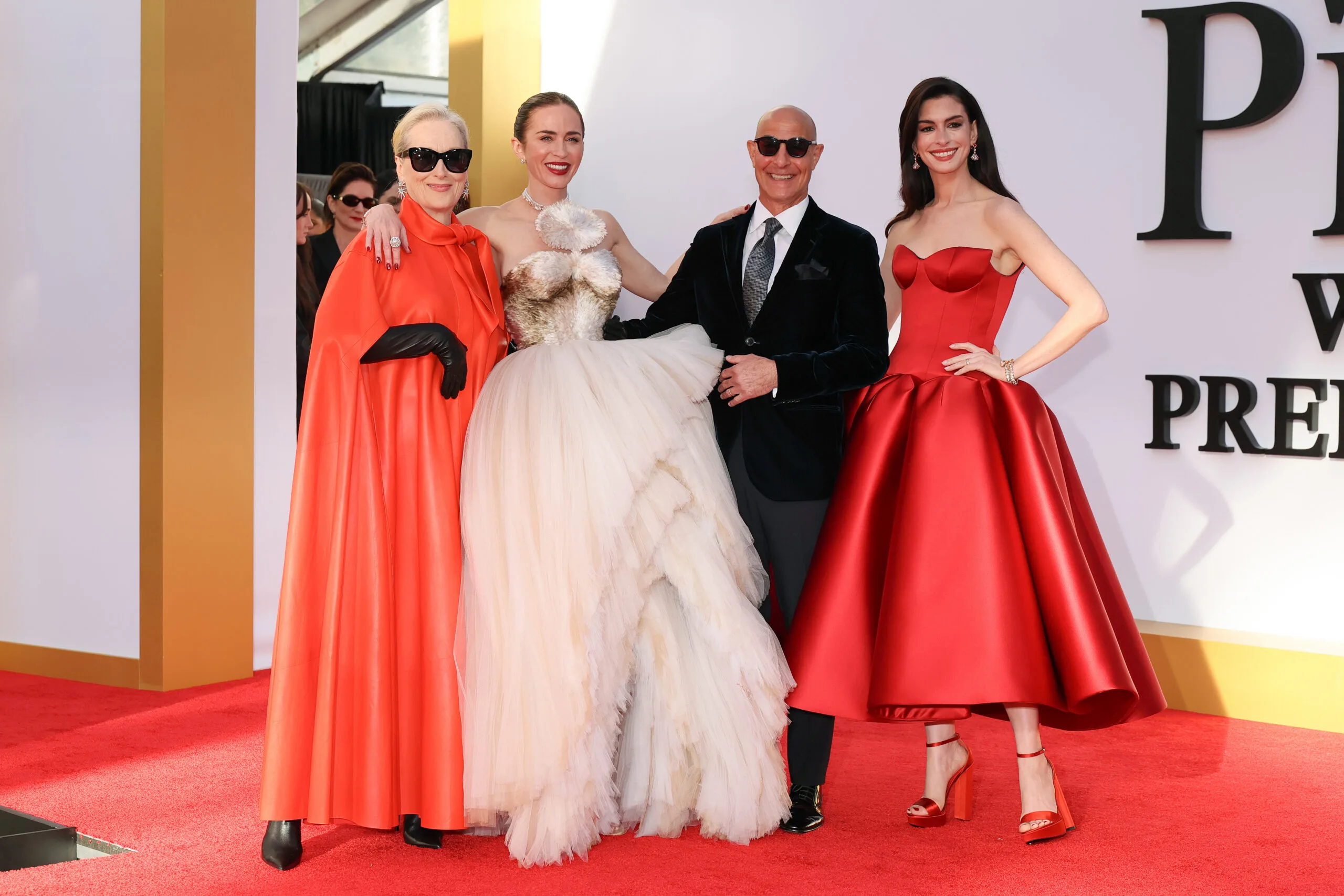
It’s been more than 20 years since we last saw aspiring journalist Andy Sachs (Anne Hathaway), her difficult boss Miranda Priestley (Meryl Streep),her trusty sidekick Nigel (Stanley Tucci). While the stars seem to have barely aged, in The Devil Wears Prada 2, their characters return to a fashion and media landscape that has changed almost beyond recognition — and, unexpectedly, so has Miranda.
Walking into the Sydney preview screening of the sequel, I was ready to soak up the nostalgia. The first film was one of the (many) pieces of early 2000s media that inspired me to follow the glossy pages into the magazine industry.
With that in mind, I knew deep down that I’d be an easy critic to please. And admittedly, the sequel did not disappoint on the nostalgia front: it had sharp dialogue, glorious fashion and a knowing recognition of the immense shifts that the media industry has encountered over the last two decades.
But for me, one of the most surprising — and refreshing — things about the sequel was seeing the character development of the film’s devilish boss-from-hell, Miranda.
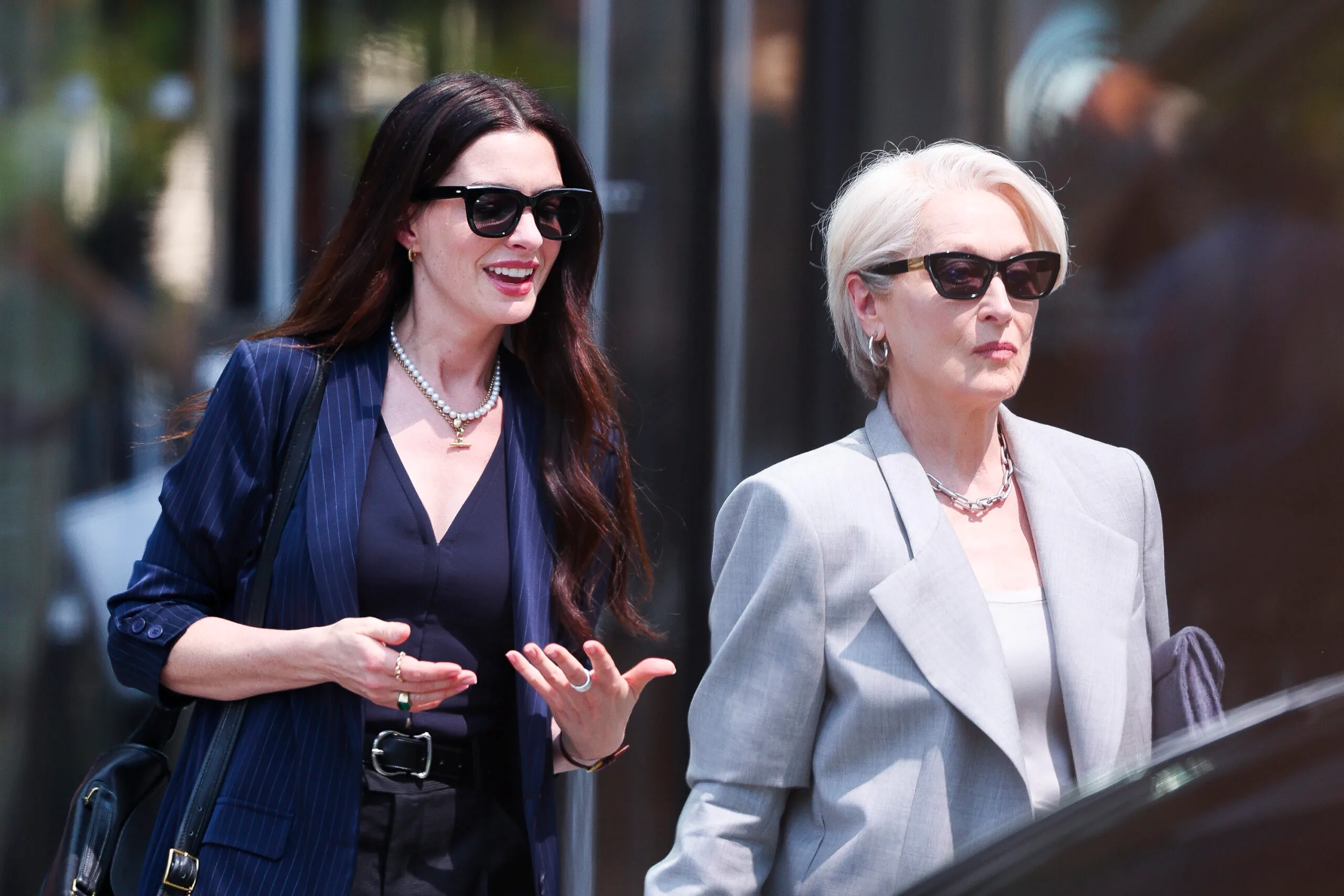
In the first film, Miranda is more than a tough boss. She’s egotistical, cutthroat, demanding. She’s known for her icy-cold demeanour, her willingness to step on those who stand in her way and a tendency to set impossible standards for her underlings.
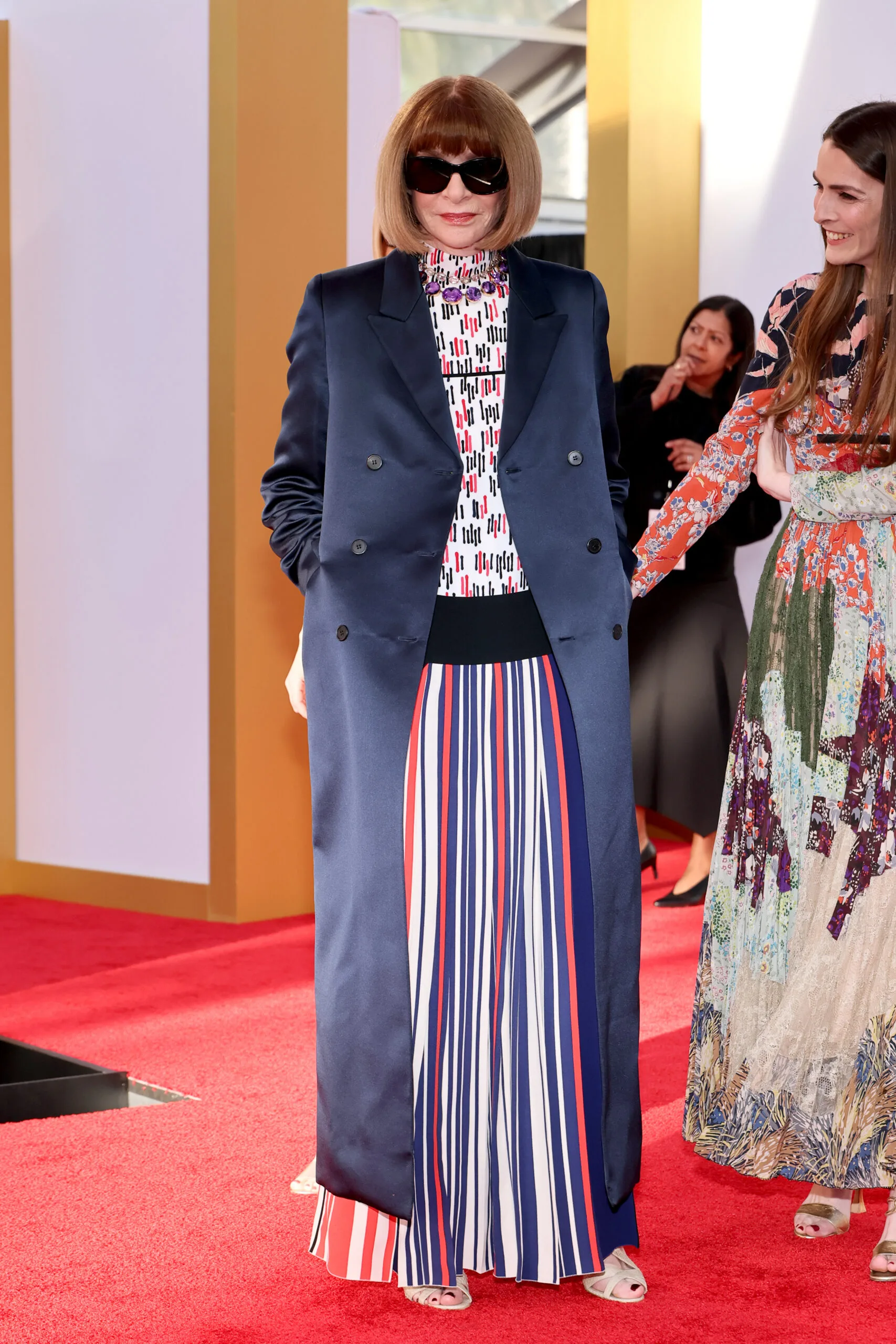
That portrayal is famously rooted in reality. Lauren Weisberger based her 2003 novel on her experience as an assistant to Anna Wintour — a creative visionary synonymous with her sunglasses, bob haircut and ruthless perfectionism.
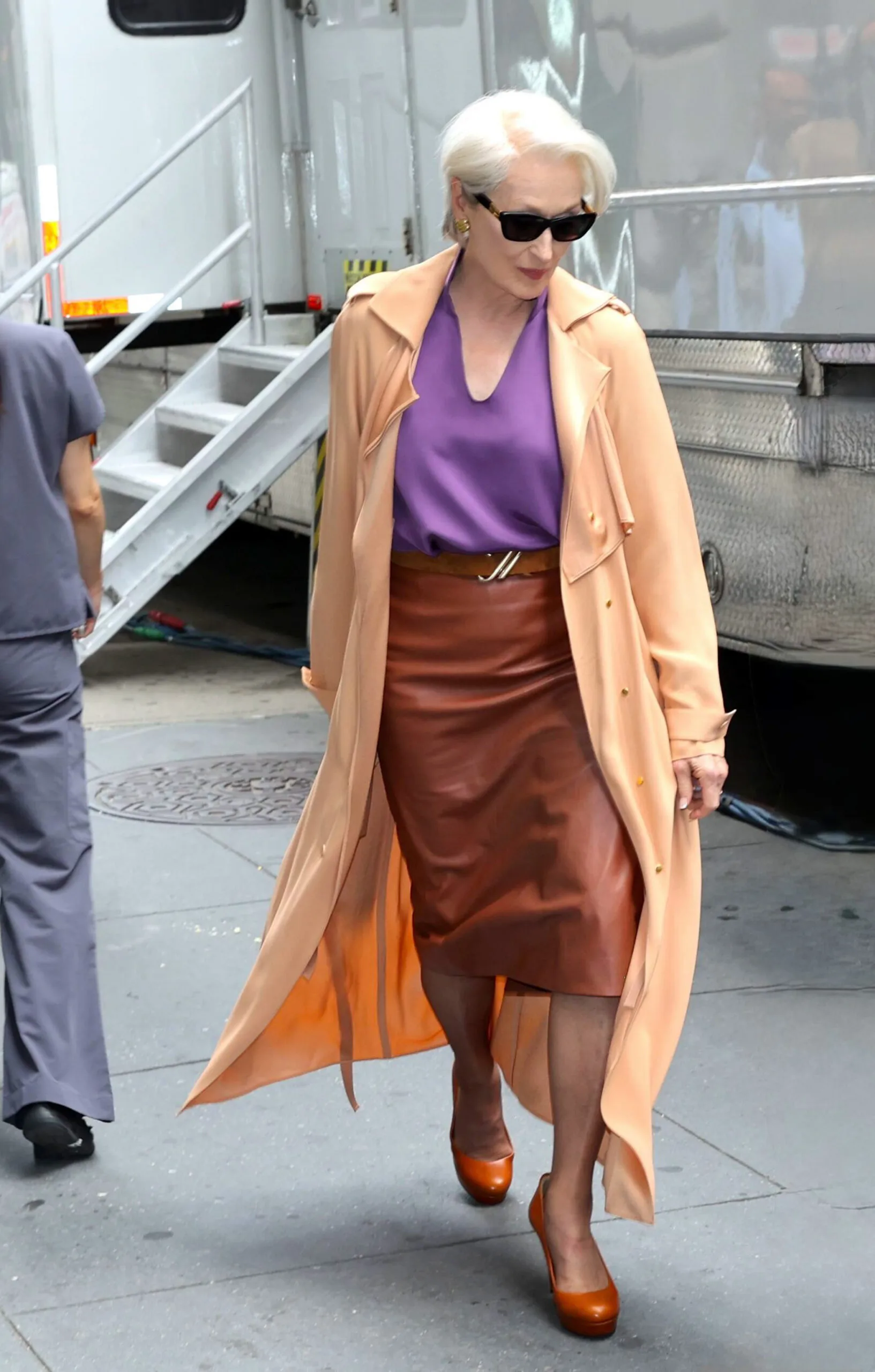
But when we revisit Miranda in 2026, it quickly becomes apparent that she’s not as firm and demanding as she once was. She hangs up her own coat. She allows Jay (B.J. Novak) — the younger, more junior son of her former boss Irv (Tibor Feldman) — to jokingly punch her on the shoulder whilst referencing football. But strikingly, she no longer seems just so intent on winning at any cost.
It’s a noticeable change, but it’s one that makes sense. Throughout the film, Miranda’s assistant Amari (Simone Ashley) gently challenges her, flagging outdated language and cultural missteps. Through this role as an assistant and the guardian of political correctness, Amari is afforded a level of respect that Andy could have never dreamed of in the same position two decades earlier. And, a level of respect which reflects a broader change in how power operates in modern workplaces.
While some viewers felt that this change in Miranda felt out of character, to me, it’s the very thing that made her believable. For anyone to remain in such a tumultuous industry for so long is a feat within itself, but to remain on top requires fluidity, change and evolution. In the progressive and socially-aware era of 2026, Miranda Priestley could not have continued to be such a problematic diva.
Even Anna Wintour has, at times, shown a willingness to evolve. In June 2020, she apologised to her staff in a company-wide memo, taking responsibility the lack of diversity within the company, and in Vogue‘s content itself.
“I want to say plainly that I know Vogue has not found enough ways to elevate and give space to black editors, writers, photographers, designers and other creators,” she wrote, per The Guardian. “We have made mistakes too, publishing images or stories that have been hurtful or intolerant. I take full responsibility for those mistakes.”
That said, the shift hasn’t been absolute, with reports from 2024 alleging that Wintour chose to keep her signature sunglasses on whilst laying off Pitchfork staff — a reminder that the industry’s old ways don’t go away easily.
In 2026, the media industry continues to change. As the film makes very clear, budgets are shrinking, AI is everywhere and the idea of an all-powerful, untouchable editor is slowly but surely becoming a relic.
It’s why Miranda Priestley couldn’t have stayed the same — and why it’s so satisfying to see that she hasn’t.
The sequel understands something the original never needed to: in 2026, fear alone isn’t power. Adaptability is. And Miranda’s softness isn’t a flaw in her character. Instead, it’s proof she was always smart enough to survive.

Related stories
Native ad body.
Native ad body.
Native ad body.