



- In 2009, Glenn Keys and his son Ehren who lives with Down syndrome visited a disability housing complex.
- The place had six units with their own lounge, bedroom and bathroom that the tenants rented.
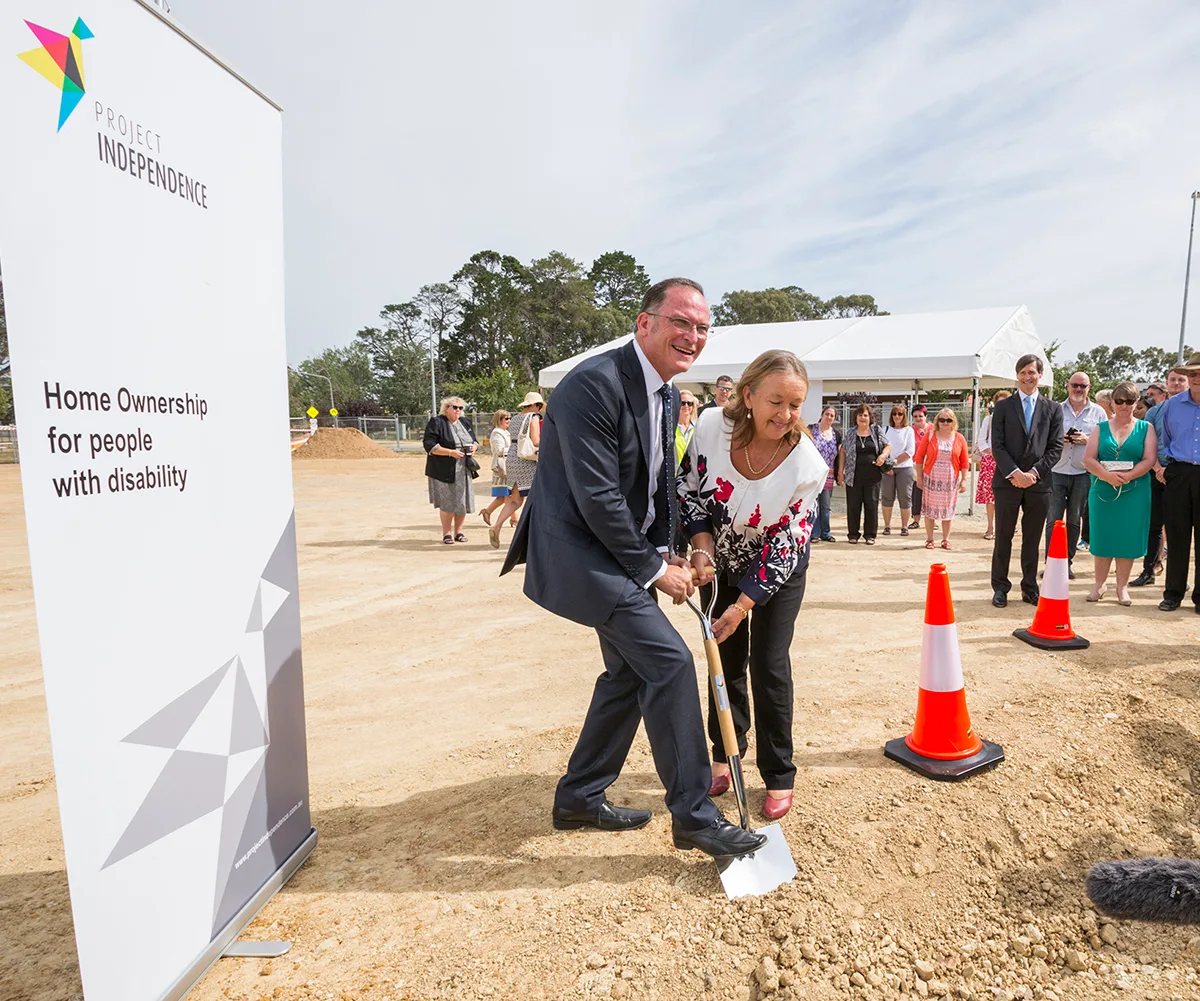
- Feeling inspired, Glenn wanted to build more rentals like this so he created a non-profit called Project Independence.
- Glenn worked closely with Ehren to inspire the next iteration of Project Independence…
- Glenn Keys shares his story below.
Flipping the snags on the barbecue, I spoke to the bloke next to me.
“This place is amazing,” I said. “I’d love my son to move somewhere like this one day.”
“I’m one of the directors here,” he responded. “Want a tour?”
My family and I had come to a disability housing complex in northern Canberra because my son Ehren’s friend Rhys, 26, had just moved in and was having a birthday party.
Read more: My daughter has Mosaic Down syndrome and was frozen by anxiety
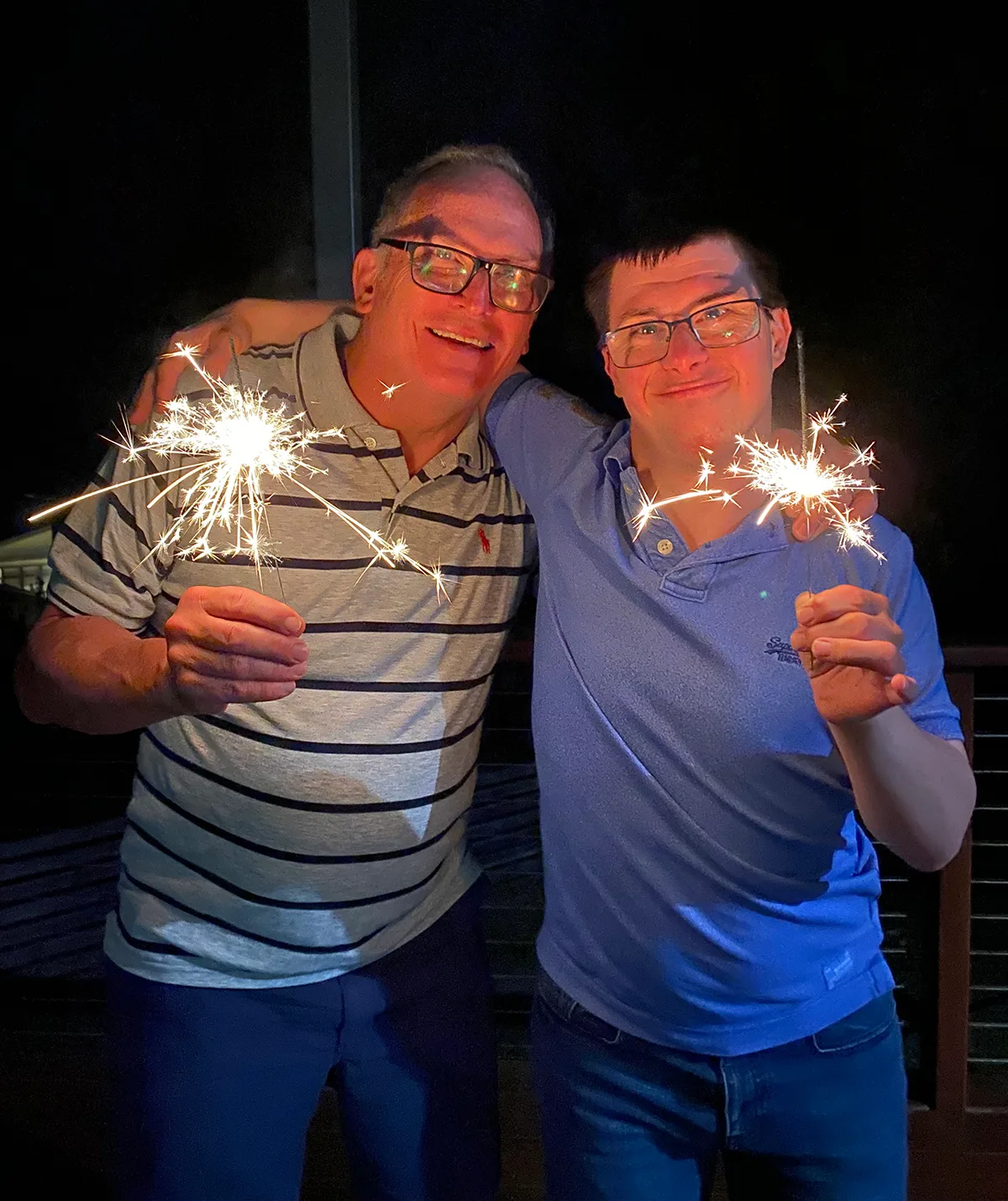
It was 2009, and Ehren was 16.
He had Down syndrome, and my wife and I wanted him to live independently in the future.
The place had six units with their own lounge, bedroom and bathroom that the tenants rented.
Feeling inspired, I wanted to build more rentals like this, so I gathered a committee and created a non-profit called Project Independence.
Then, in 2011, my own family had to move out of our house while we did some renovations.
“Can you give me a hand here, mate?” I asked Ehren as I struggled with a box.
“I’m too busy, Dad,” he replied.
“What’re you doing?” I asked.
He was sitting at the table with paper and pens.
“I’m designing the house I’ll buy when I leave home,” he said.
Those words hit me like a freight train.
I’d pictured our daughter Siân, 21, and son Tim, 17, buying their own homes, but I’d never imagined Ehren owning his.
“I’ve had unconscious bias about this,” I confessed to my wife, Amelda, 51.
“Maybe you can change the model for Project Independence?” she said.
I took the idea to my committee.
“Instead of our clients renting their own home, why don’t they buy it instead?” I proposed.
Clients could use a portion of their disability benefits to go towards the mortgage of their house.
It gives them a step onto the property ladder.
Then, when they’re ready to move on and buy a house of their own, we would sell their unit for them to another person with a disability.
They would then have equity to buy a new place.
The committee approved, and by 2012, we had built our first 10 properties.
I’ll never forget one of the first owners moving in, a 58-year-old man.
He’d only lived in shared rented accommodation, with vertical blinds that woke him up early.
“I’m looking forward to putting up my own curtains!” he said excitedly.
It seems like a small thing, but he’d never had that autonomy before.
Project Independence has now completed three developments, and Ehren moved into his own unit last year.
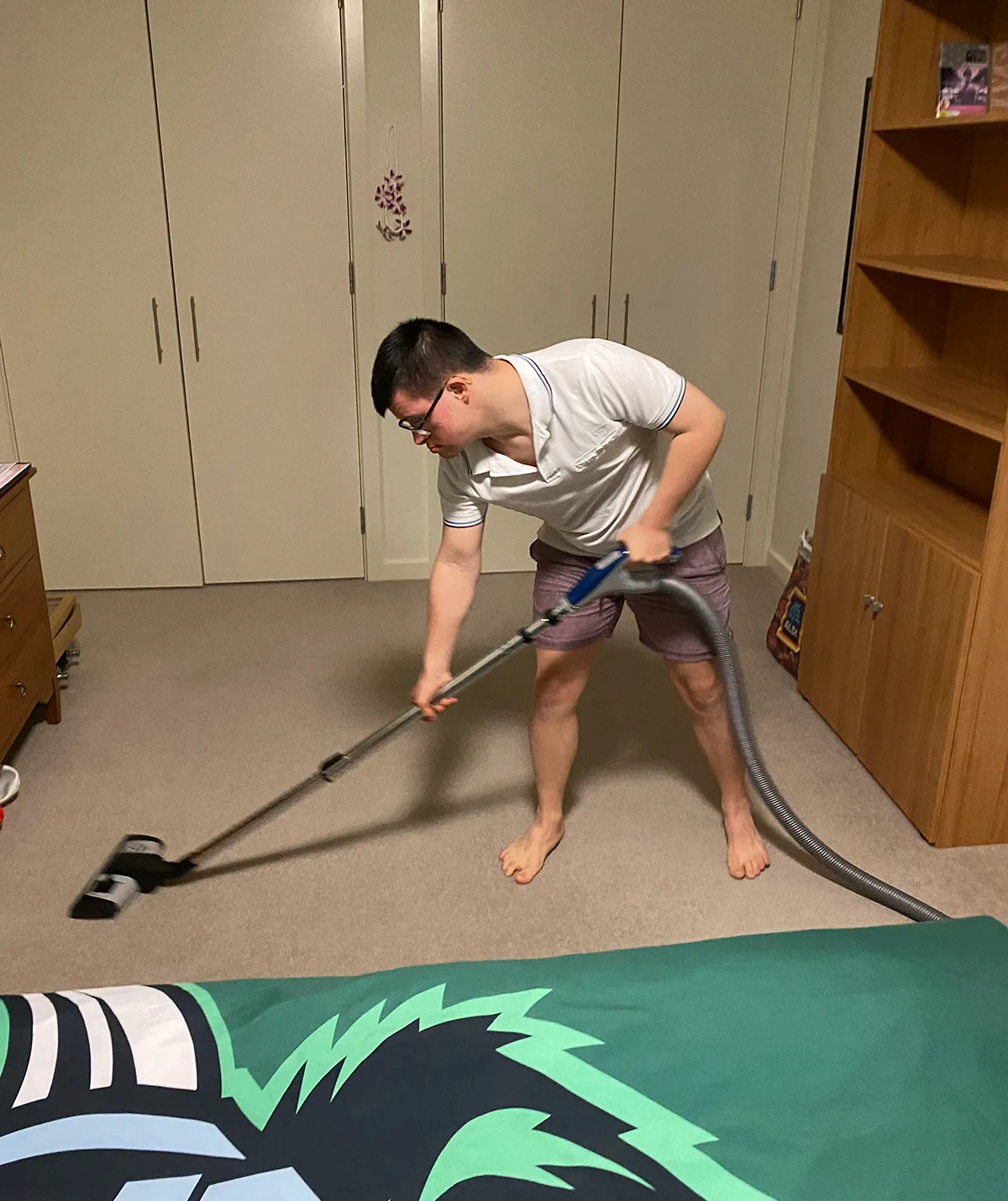
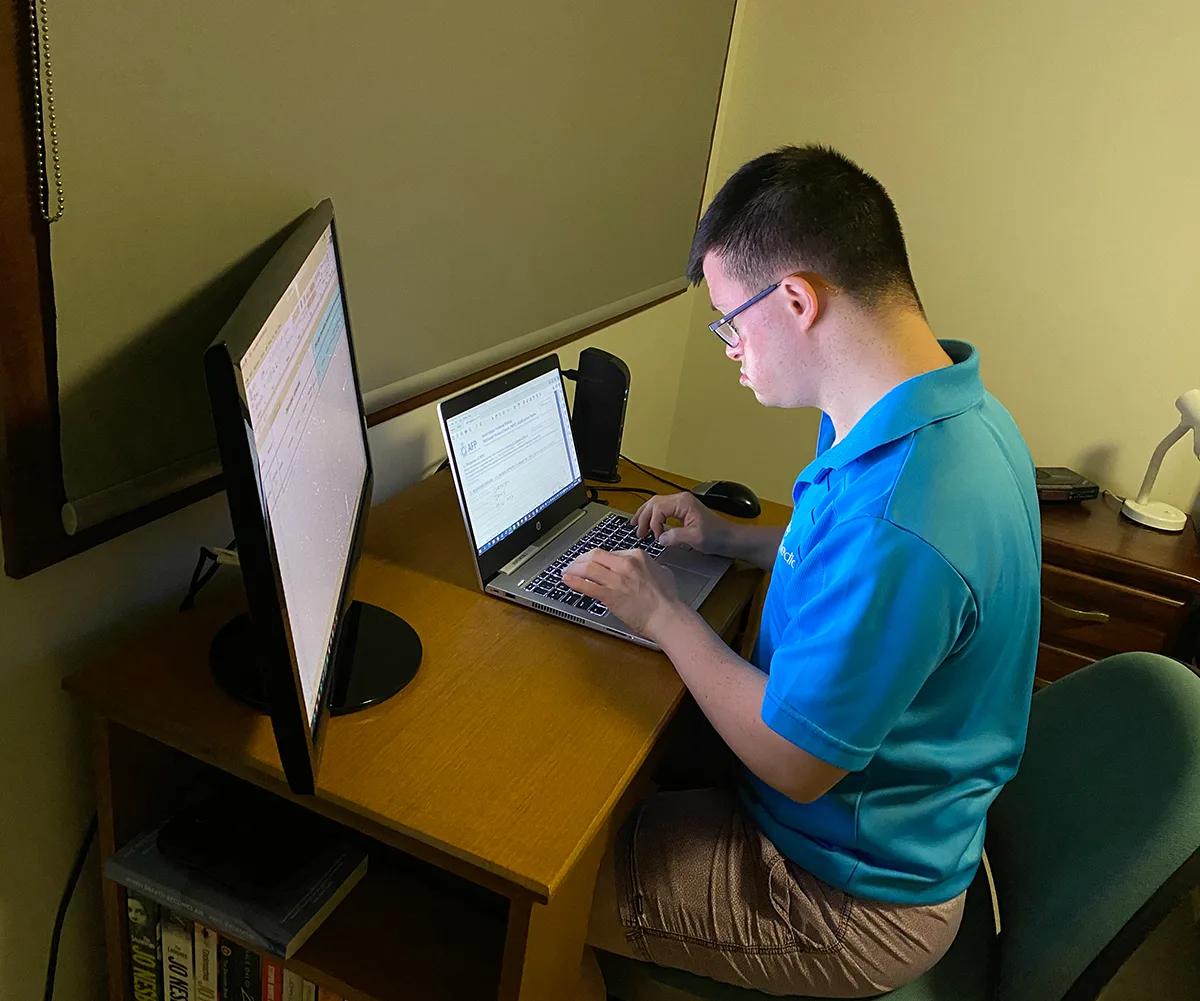
He gets to invite mates round, decorate it how he likes, and play video games to his heart’s content.
We now have 57 people on the waiting list in the ACT and 200 in Victoria. We’re also creating one in Sydney.
Every Australian should be allowed the dream of owning their own home.
If you’d like to donate, visit: projectindependence.com.au/donate

Related stories
Native ad body.
Native ad body.


Native ad body.