





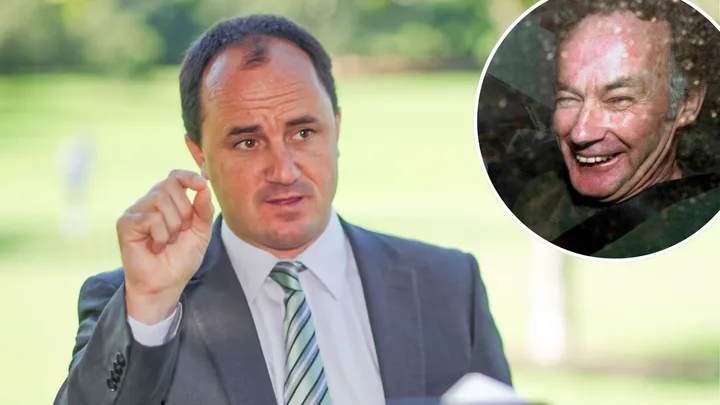
Between 1965 and 2010, it’s believed over 70 people went missing or were murdered across the North Coast of New South Wales – and some experts believe Australia’s most notorious serial killer, Ivan Milat, could be responsible for some of them.
Hoping to reduce the number of cold cases in the state, a committee in NSW Parliament will be conducting an inquiry into the unsolved murders and missing persons cases across the Southern Highlands, Inner Sydney, Newcastle and North Coast regions.
“A parliamentary inquiry into the egregious number of unsolved murders and missing persons in NSW is long overdue,” the committee’s chair and NSW Legislative Council Member, Jeremy Buckingham said in a statement.
“This inquiry presents an opportunity for truth telling. Families deserve a platform to use their experiences.”
FIRST VICTIM
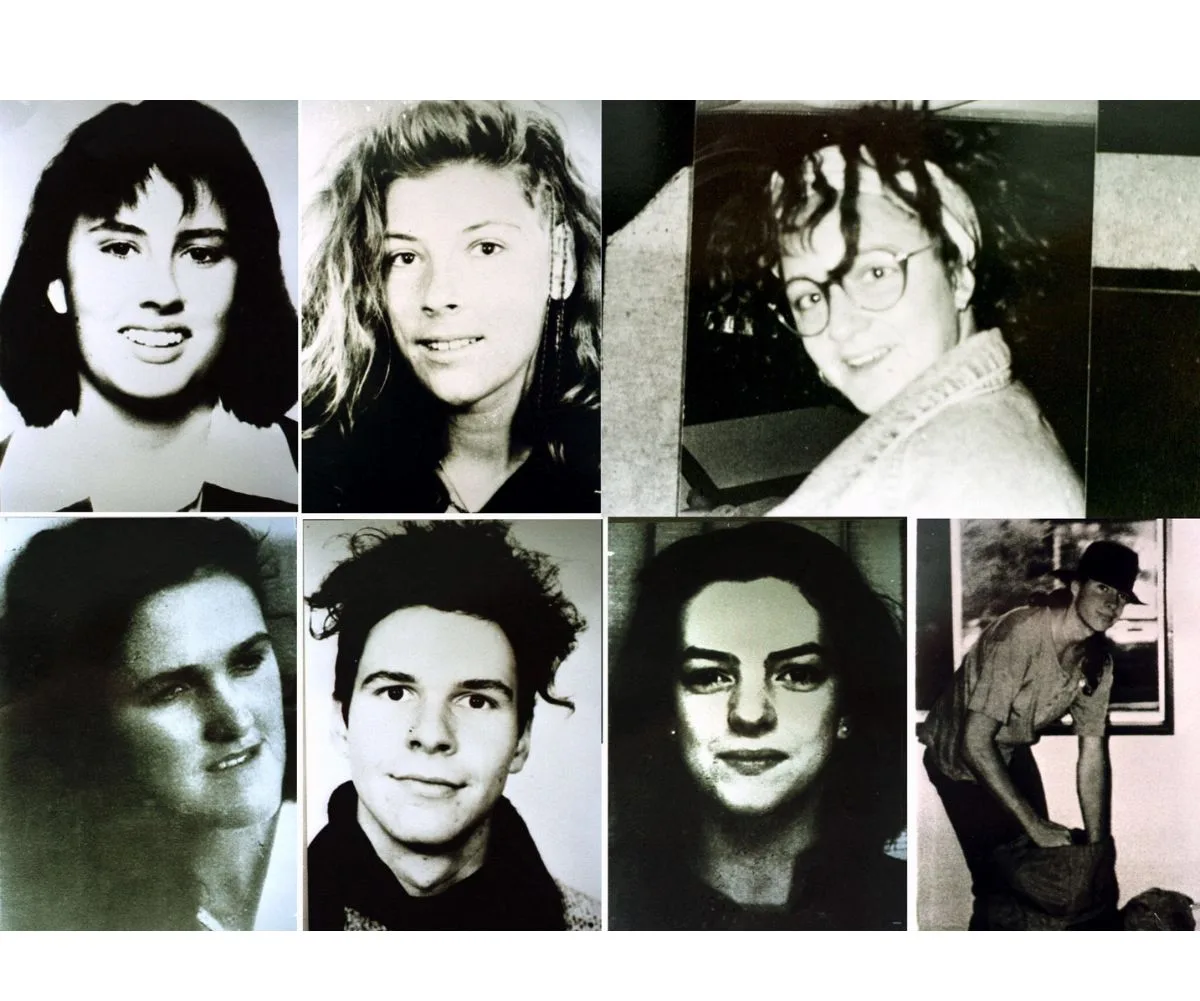
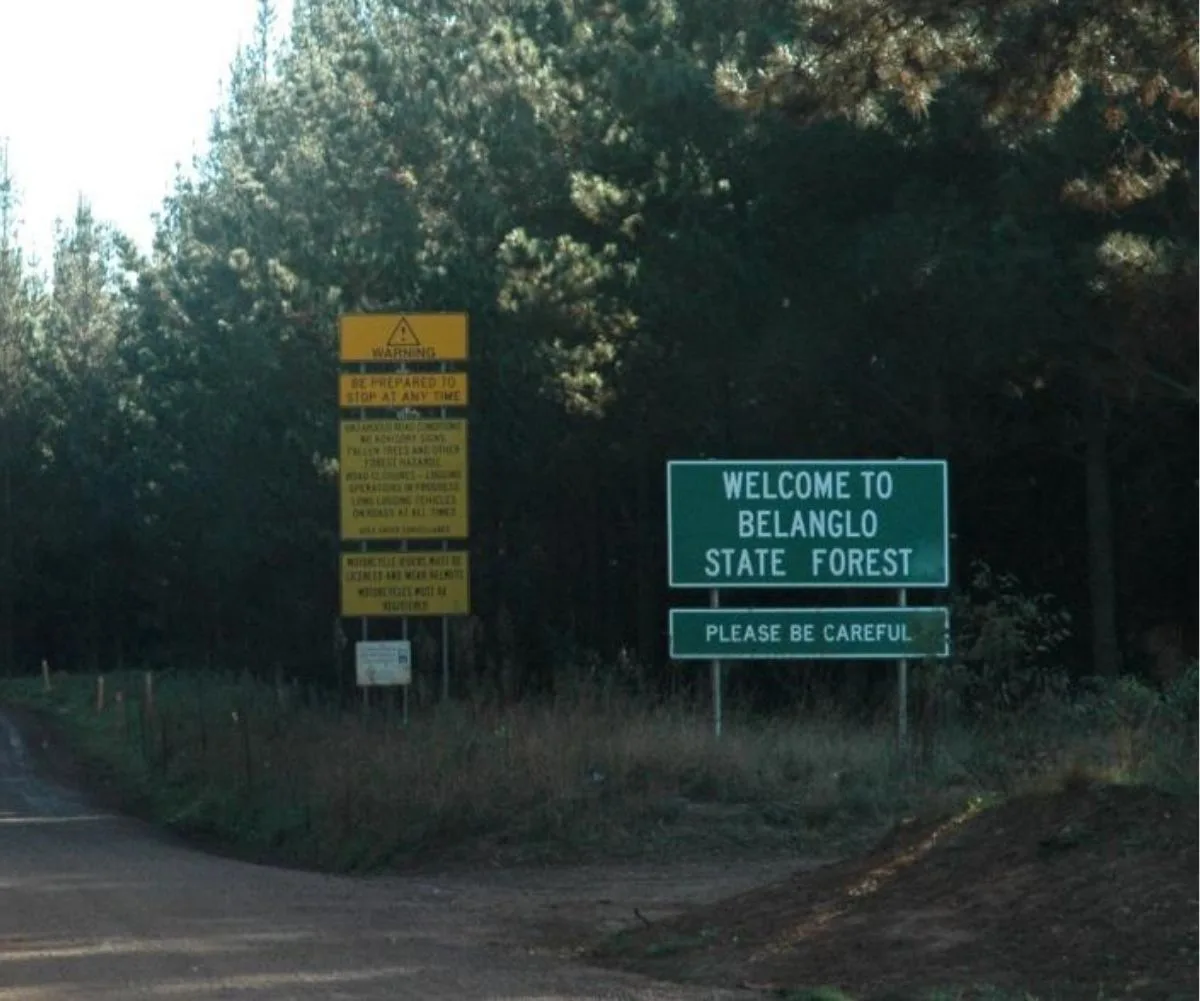
From December 1989 to April 1992, Milat killed seven backpackers and buried their bodies in Belanglo State Forest, which lies about an hour south west of Sydney.
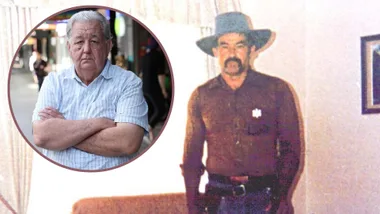
But former Detective Seargent Neville Scullion believes the serial killer could be responsible for many more deaths.
“There’s anything up to the possibly 80 people that he killed,” Neville told Woman’s Day earlier this year.
“The first body was found in 1992, he’s arrested in 1994, but he didn’t just start killing in ’92… he was rampant over a 20-year-period.”
He believes Milat’s first victim was 20-year-old Keren Rowland, who was murdered near Canberra in February 1971.
Neville first became involved in the Milat case in April 1992, when British backpackers Joanne Walters and Caroline Clark were reported missing.
“Both girls had been in regular contact with their parents, but Caroline’s father became concerned when he couldn’t make contact with her,” Neville said.
“In the early stages of the investigation, I felt there was something really wrong and this was far worse than two girls who just lost contact with their families.”

LINKS TO OTHER COLD CASES
The detective who arrested Milat in May 1994, Clive Small, believes Milat was responsible for killing Paul Letcher, 18, who was found in January 1988 in the Jenolan Caves State Forest.
Milat has also been linked to the Wanda Beach murders of Marianne Schmidt and Christine Sharrock in Cronulla in 1965, which remains unsolved.
Jeremey showed a picture of a young Milat alongside the sketch of the suspected Wanda Beach murderer in to NSW Premier Chris Minns in an estimates committee hearing – noting how similar they look.
“The Wanda Beach suspect was described as five feet seven inches, fair hair, slender but muscular, exactly like Milat – and 22 years old, exactly his age,” Jeremey told the Inquirer.
“So his age, his height, his weight, his hair, all fit Milat.”
While the committee report into the unsolved murders and missing persons cases in NSW won’t be handed down until June 30, 2026 – Jeremy is hoping it will help bring the families affected by cold cases some closure.
“Families have spent decades in torment,” he said in a statement. “This committee will consider weather impediments in the criminal justice system impacted the delivery of justice to such victims and their families.”
“This is a nightmarish and difficult topic, but we cannot ignore it,” said Jeremy. It is an opportunity for us to learn from the mistakes of the past and look to processes and practices that may help us do better in the future.”
DEALING WITH A SERIAL KILLER
A year after Joanne and Caroline’s bodies were found, a man searching for firewood found the remains of backpackers James Gibson and Deborah Everist, both 19, instead in October 1993.
An extensive search of Belanglo State Forest a month later found the bodies of German backpackers Simone Schmidl, 21, Anja Habschied, 20, and Gabor Neugebauer, 21.
“The thought that we were dealing with a serial killer hadn’t crossed my mind when Joanne and Caroline were found,” said Neville.”
“But as more bodies were being located, it was more obvious a serial killer was involved.”
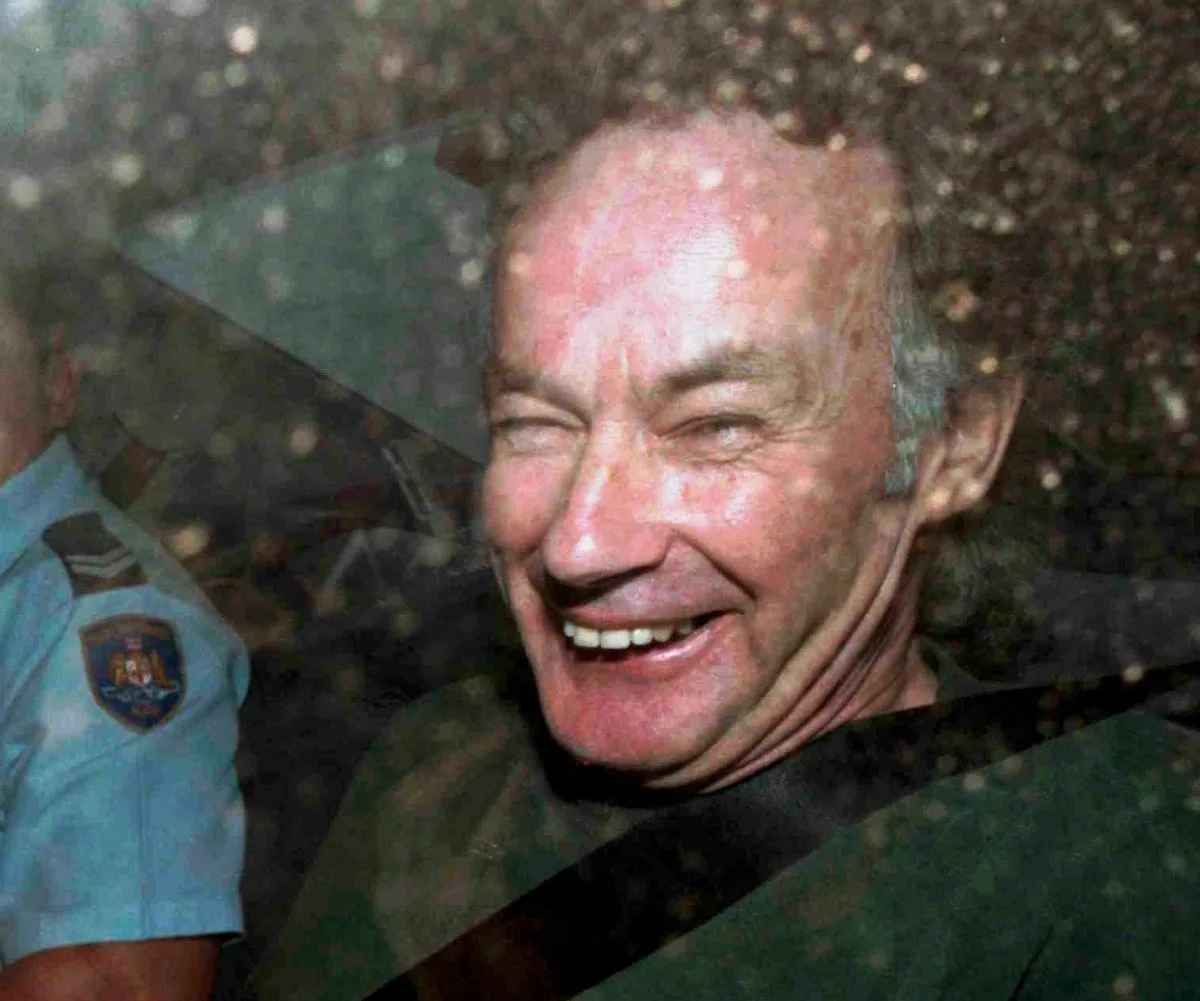
Milat was finally arrested in May 1994, and he received seven life sentences for the murders in March 1996.
Before he died from oesophageal cancer at Long Bay Correctional Centre in 2019, NSW Police attempted to get a confession from him for the seven murders, as well as several other deaths police believe he committed from the early 1970s to the mid 1990s.


Share this post