





Jane Bourne from Kiama, NSW, shares how she’s protecting her community from phone addiction…
Waiting for the bus one morning, I looked around me. Every person had their head down, eyes fixed on a phone.
Later that night, my husband Ian, 42, and I took our sons, Hugo, six, and Rafferty, four, out for dinner.
“Here’s the Go Bag,” I smiled, pulling out colouring books and games we’d packed to keep the boys entertained.
At a nearby table, two kids were absorbed in iPads while their parents scrolled through their own phones.
“Look at that,” I whispered to Ian.
“It’s so sad,” he replied.
We weren’t trying to judge. Parenting today comes with enormous pressures, and screens can feel like the easiest option.
But we also believed kids needed the chance to be bored, use their imagination and connect with the people around them.
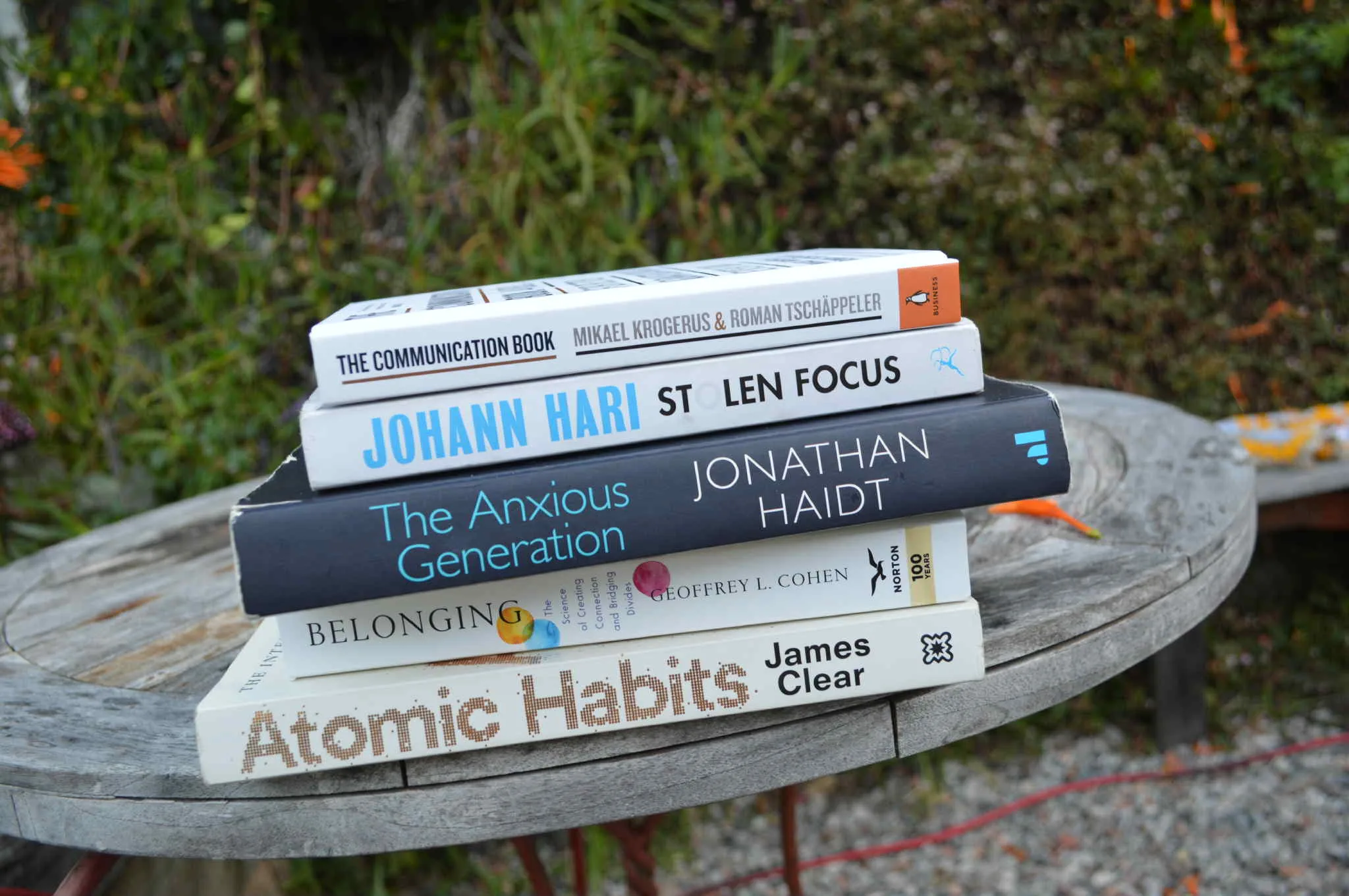
It was May 2024, and we’d both just finished reading The Anxious Generation by social psychologist Jonathan Haidt, which explores the impact smartphones and social media are having on young people.
Read more: I lost $500,000 on the pokies!
We’d decided our boys wouldn’t have smartphones until they were much older, but we wanted to do more.

“We need to give kids a ’90s childhood,” Ian said. “The kind we grew up with.”
Originally from the UK, we’d always loved building community. We’d organised street parties, created a communal veggie garden and rolled out a water slide for the neighbourhood kids.
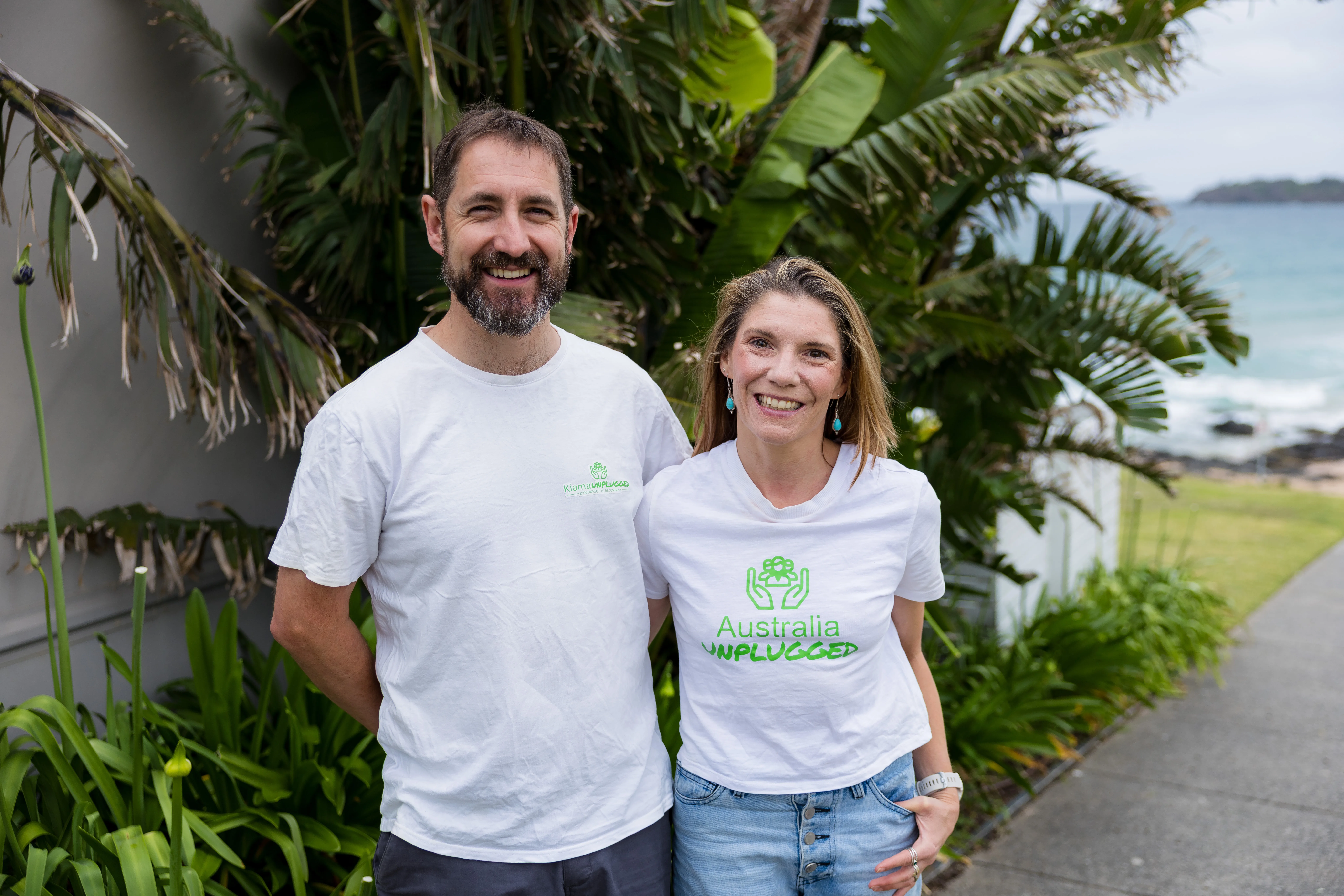
Now we wanted to help people to put their phones away. So we launched Kiama Unplugged, a grassroots project encouraging screen-free connection.
Our first event, in September 2024, was a phone-free evening for adults at the local pub.
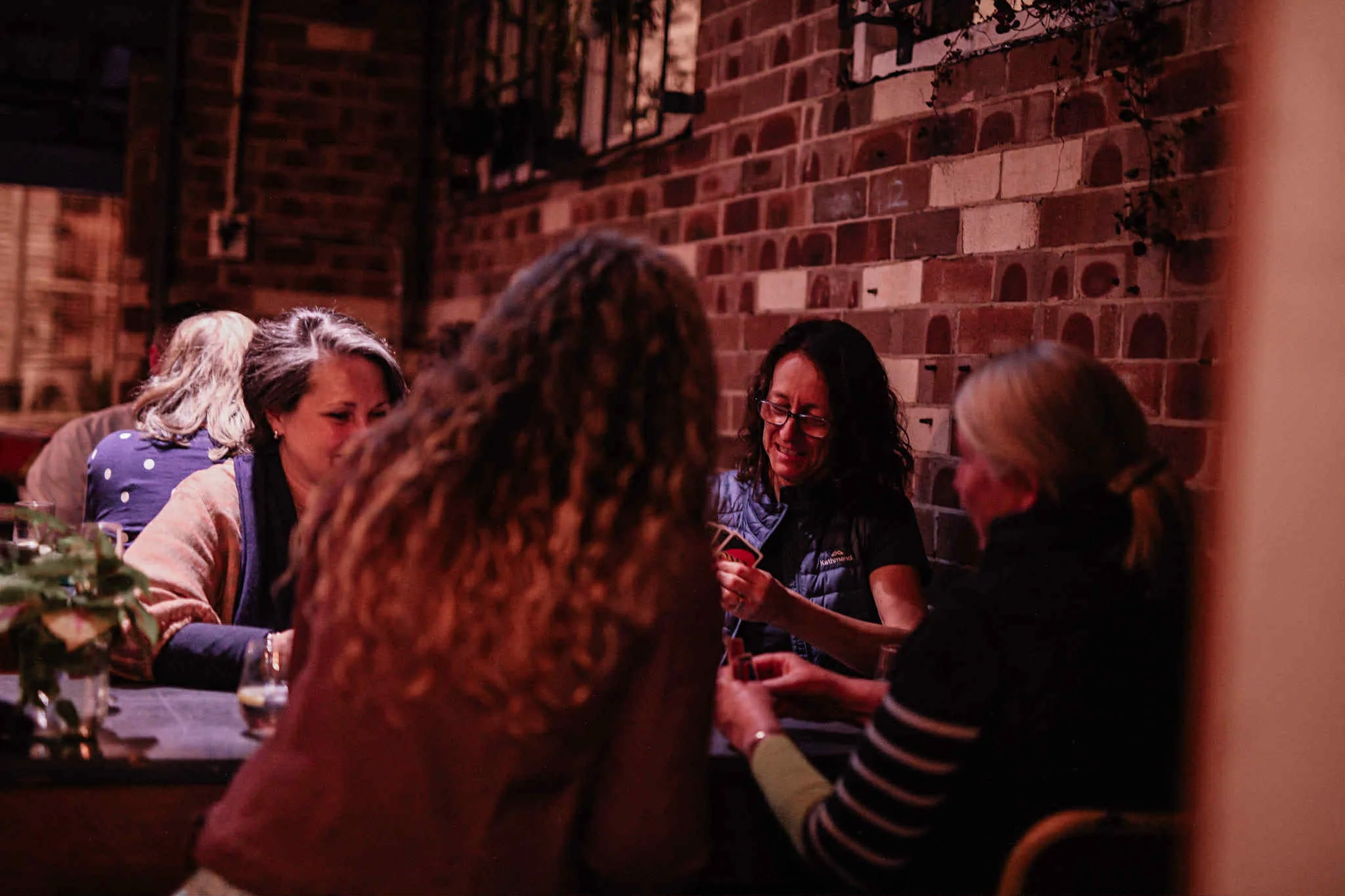
Ironically, we advertised it on social media, as well as with posters around town, and 40 people came along.
One young man lingered nervously outside before Ian invited him in.
“Why were you hesitant?” Ian asked.
“I’m nervous to be without my phone,” he admitted.
By the end of the night he was laughing and chatting with complete strangers.
Our next event was for families. We filled the space with LEGO, board games, arts and crafts, and asked everyone to leave their devices at home.
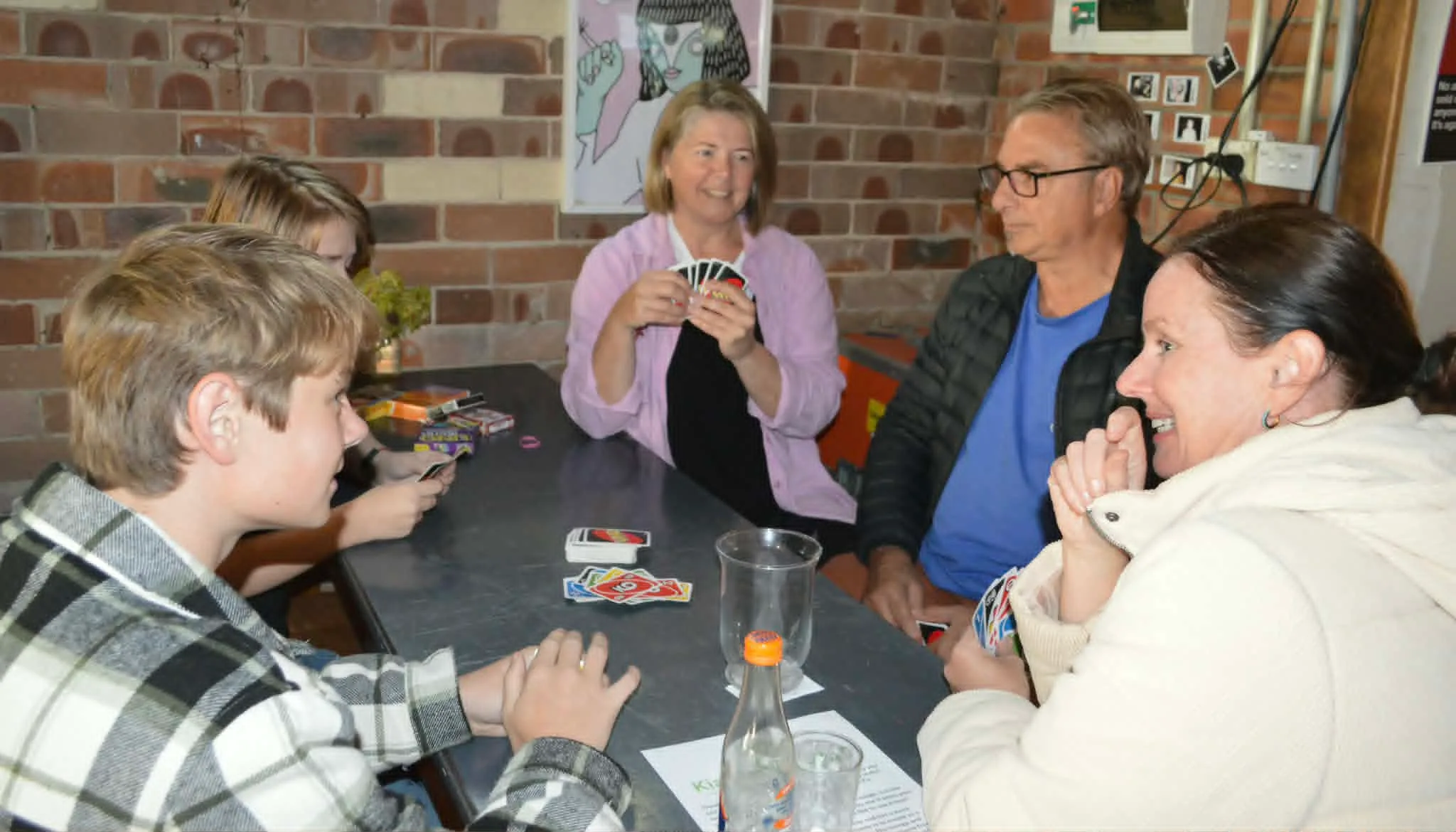
“It actually works,” Ian smiled, watching a group of children build an entire village from giant Jenga blocks.
The events became monthly.
We’ve hosted bushwalks, surf club gatherings and old-fashioned games like egg-and-spoon races and human Hungry Hippos at the local KISS Arts Festival.
“I haven’t had that much fun in years,” one woman told me afterwards.
We’ve since launched Australia Unplugged, with groups already starting in Berry and Canberra.
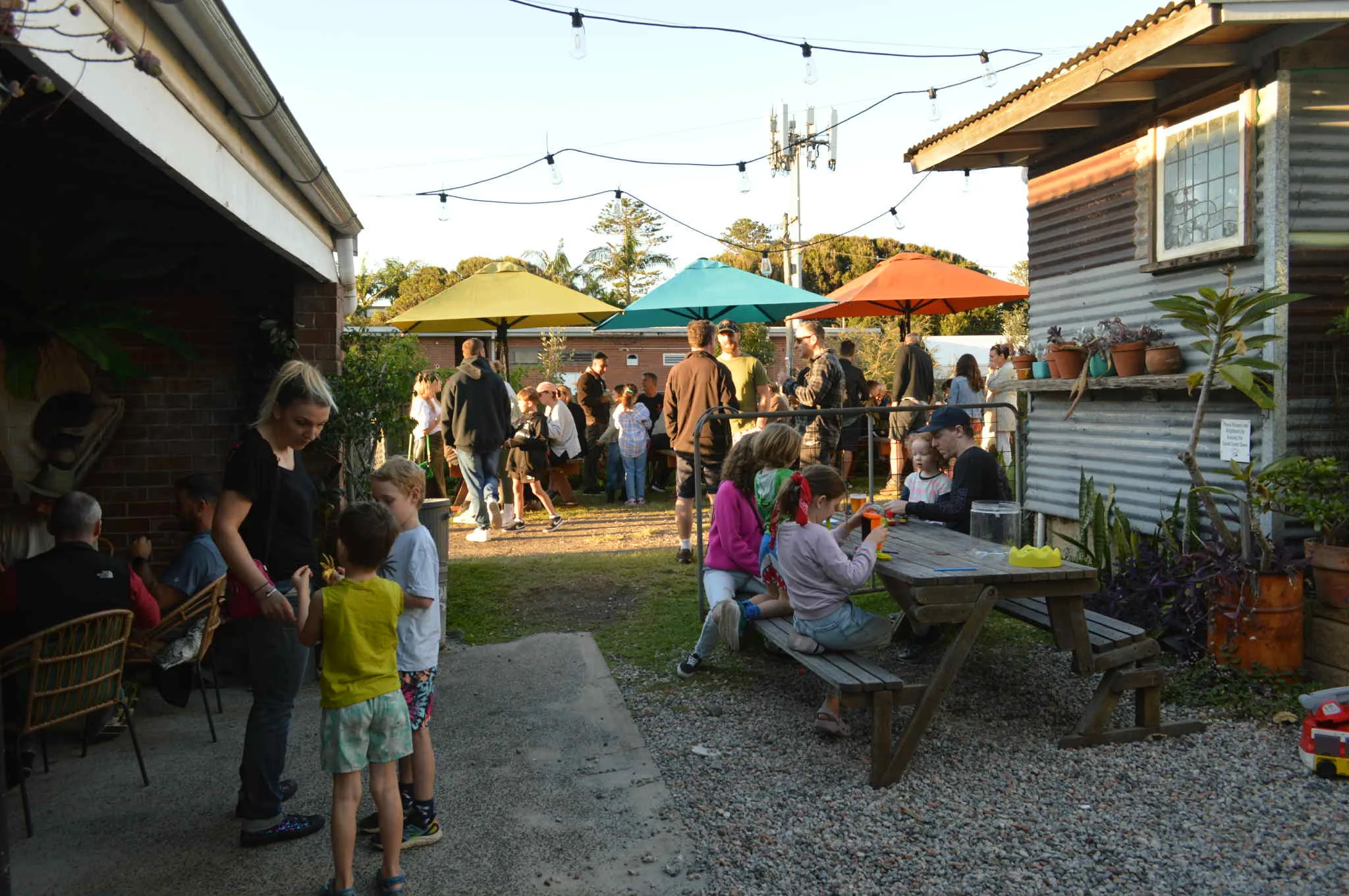
Next, we’d love to create events specifically for teenagers.
Kids involved in sport, music or drama often get natural breaks from screens, but many others don’t.
We want young people to help shape activities they’d genuinely enjoy through a youth advisory panel.
We also hope to become a not-for-profit so we have access to more grants, allowing us to make more of a difference.
The idea is simple: create spaces where conversation comes first and phones come last.
Because our kids deserve a childhood lit by adventure, friendship and imagination – not the glow of a screen.

