





Plenty of people boast about the benefits of journalling. It’s great for mindfulness, it will help you relax, and so on… If you’re wondering if the reality of journalling lives up to all the hype, the answer is absolutely!
If you’re not doing it already, here are six reasons to start journalling – along with some tips to help get you started…
1. Reduces Stress and Anxiety
It turns out fans of journalling really are onto something. Writing down your feelings can help you to process your emotions, gain a new perspective and calm your mind. Research has also shown that journalling can lower cortisol levels (the stress hormone).

2. Helps to Regulate Emotions
Journalling can help you to build emotional intelligence by making you more aware of your feelings. By taking the time to sit with your emotions, you’ll be able to control them better, as well as gain an understanding of the things which trigger you.
3. Helps You Focus
Think of journalling as a way to organise your thoughts. Seeing what you’re thinking written down on paper allows you to better prioritise, problem solve and make decisions. It can also help you to sleep better by reducing overthinking.
4. Supports Physical Health
Although it may be a mental activity, journalling has been shown to improve immunity, and when you do get sick, it takes you less time to recover. Studies have shown that journalling can even lower blood pressure and improve general wellbeing by managing stress.
5. Encourages Self-Reflection and Personal Growth

Journalling is great for self-awareness, allowing and encouraging you to reflect on your behaviour. You may even notice behavioural patterns you otherwise would not have been aware of. This all gives you an opportunity to grow as a person.
6. Increases Gratitude and Positivity
If you’ve found yourself on a bit of a negativity spiral lately, you might want to give gratitude journalling a try. Write down three things daily that you’re thankful for, and watch your mood improve. Gratitude journalling has been shown to increase happiness.
Putting Pen to Paper

You’ve bought yourself a shiny new journal, but you’re not sure how to begin. Here are three tips on getting started when it comes to journalling…
1. Start Small, Stay Consistent
You’re not writing your memoir. Just five to 10 minutes a day of journalling is enough. Pick a time that works for you and stick to it. You want it to be achievable, not overwhelming.
.jpg?resize=380%2C285&format=auto)

2. Use Prompts
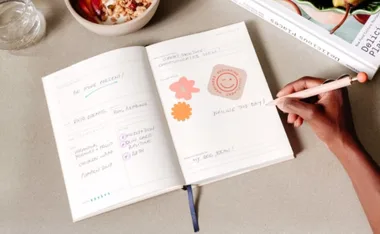
If writing about your innermost feelings doesn’t come naturally to you, try using questions as prompts. You can find free journal prompts online, or invest in a journal with prompts already written inside it.
3. Let Go of Perfection
Chances are no one but you will ever read your journal, so don’t worry if it isn’t perfect. Allow yourself to be free with your writing, and if you make a few mistakes along the way, so be it.