





IN SHORT
- Actor Hamish quit life on the stage to be an Outback nurse, saving lives in Australia’s most remote communities.
- Hamish reveals that some of his patients have never seen a doctor before.
- Now, he’s converted his van, and travels wherever he’s needed.
- Posting about his unique job, Hamish has gone viral online.
- Hamish Briggs, 27, from (somewhere in!) the Outback, NT, shares his inspiring story
My portable barbecue sizzled as I flipped over a lamb chop.
The sun was setting, it was peaceful, quiet, and the red dirt beneath me still held the heat of the day.
I’m living the dream, I thought, leaning against my LandCruiser.
Read more: FIFO worker, 21, bought a vending machine and earnt $5k a month!
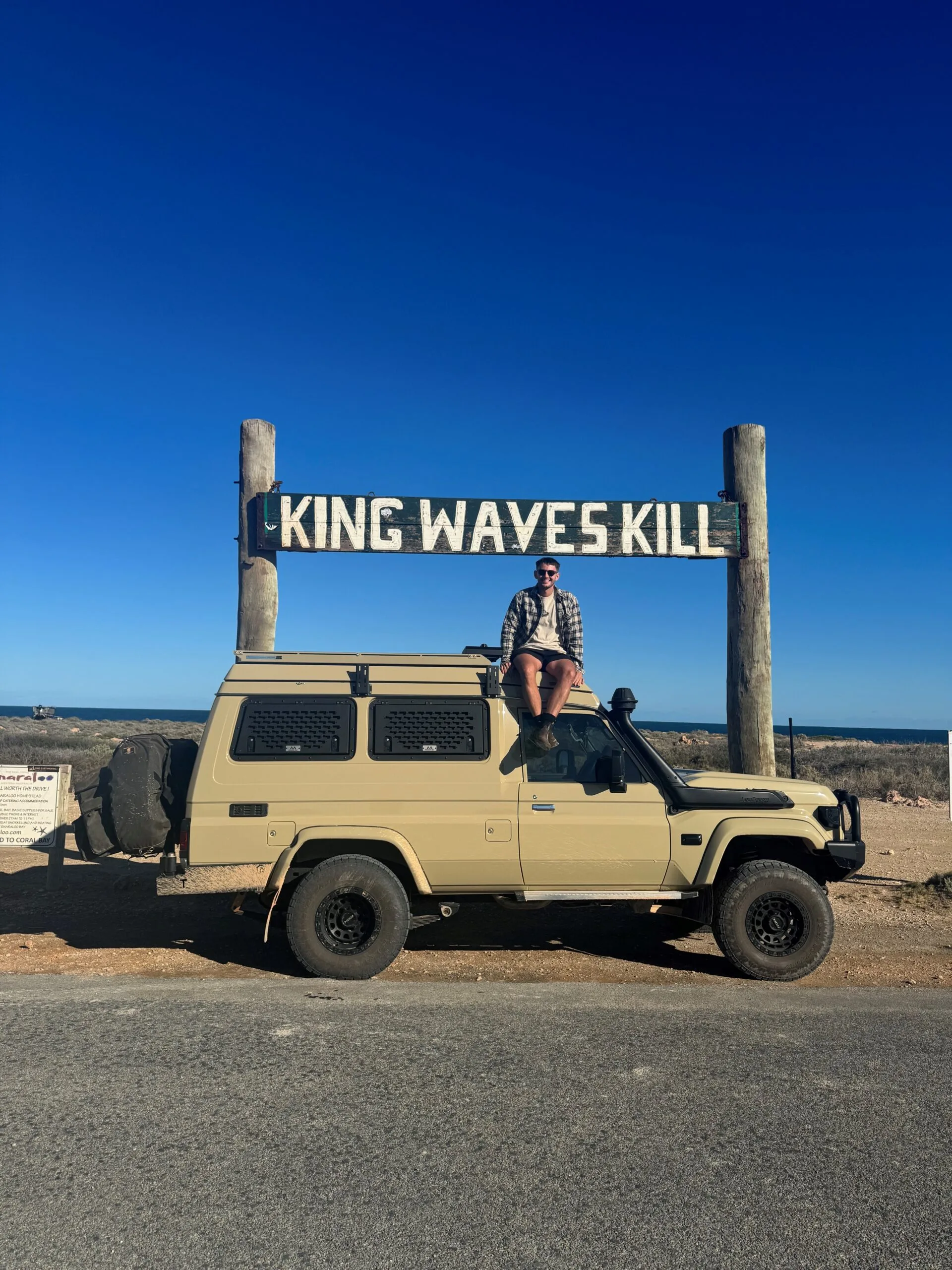
Life in the outback was indescribable, but I hadn’t always imagined ending up out here.
Nine years earlier, after high school in Kalgoorlie, WA, I started studying at theatre school.
But when the pandemic hit and all social life shut down, I got a gig working as a medical officer in the mines.
With a certificate in first aid, I ensured safety gear was worn correctly, and manned the first aid station.
“This is like a one-man cabaret,” I joked to mates.
Despite the role being far from the bright lights of the stage, I quickly realised that helping people was the only round of applause I needed.
So I enrolled in nursing school and began working in big, bustling hospitals with doctors and departments for every body part and ailment.
But for my final nursing placement, I chose to go to Jabiru, NT, three hours south-east of Darwin, to see how medicine worked in the outback.
I took a deep breath as my foot hit the red earth for the first time. The town had a population of just 755.
This is where I’m meant to be, I thought.
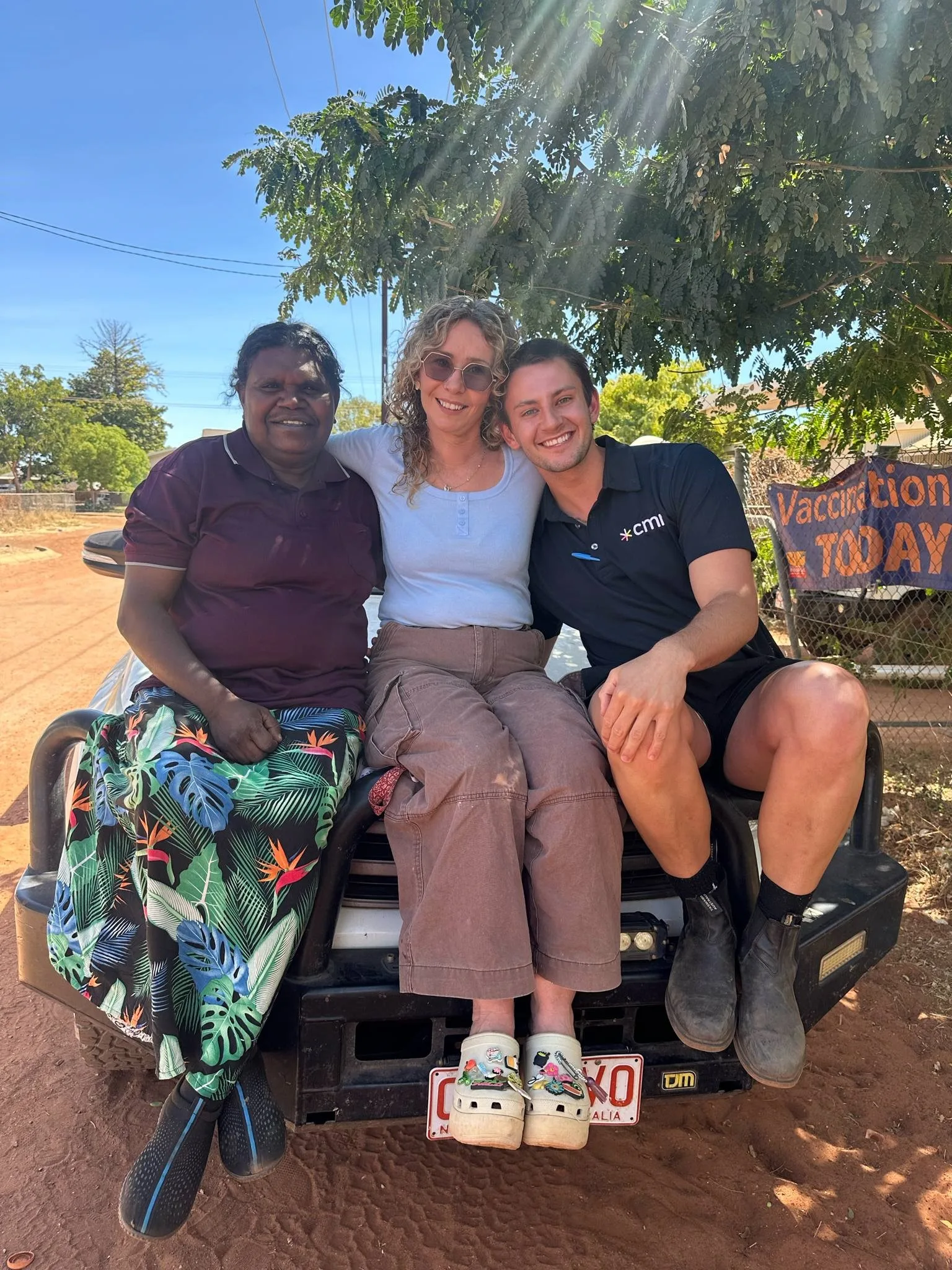
Helping people who might have never even seen a doctor before was incredibly rewarding.
Seeing first hand how vital nurses were in these remote regions was eye-opening.
With the closest hospital over 250km away, a doctor would provide occasional telehealth services or pop into the community on rare occasions.
But rural nurses were there every day and usually the only healthcare some people would see in their lifetime.
When my placement ended, I returned home and told my family and friends about my new trajectory.
“I’m going to be an outback nurse!” I announced.
I converted my LandCruiser Troopy into the ultimate home on wheels.
By installing two fridges, hot water, a comfortable bed, and Starlink, I could stay online and post on Instagram no matter how remote I was.
I jumped between rural communities as needed, covering nurses on leave or lending an extra pair of hands.
With no real roster, I could stay in a place for a week or a few weeks, depending what was required.
My first real shift in the outback wasn’t in a multimillion-dollar hospital with specialist teams and high-tech monitoring wards.
It was in a simple three-bed, one-bath home where the kitchen wasn’t there for meal breaks.
“Welcome to the resus bay!” my colleague laughed, gesturing to the bench right beside the kettle.
“It’s not exactly Royal Darwin,” I grinned back, laying out my stethoscope, “but it’ll do.”
With the hum of the fridge in the background, we’d stabilise patients beside the stove top and watch their every breath from the kitchen table.
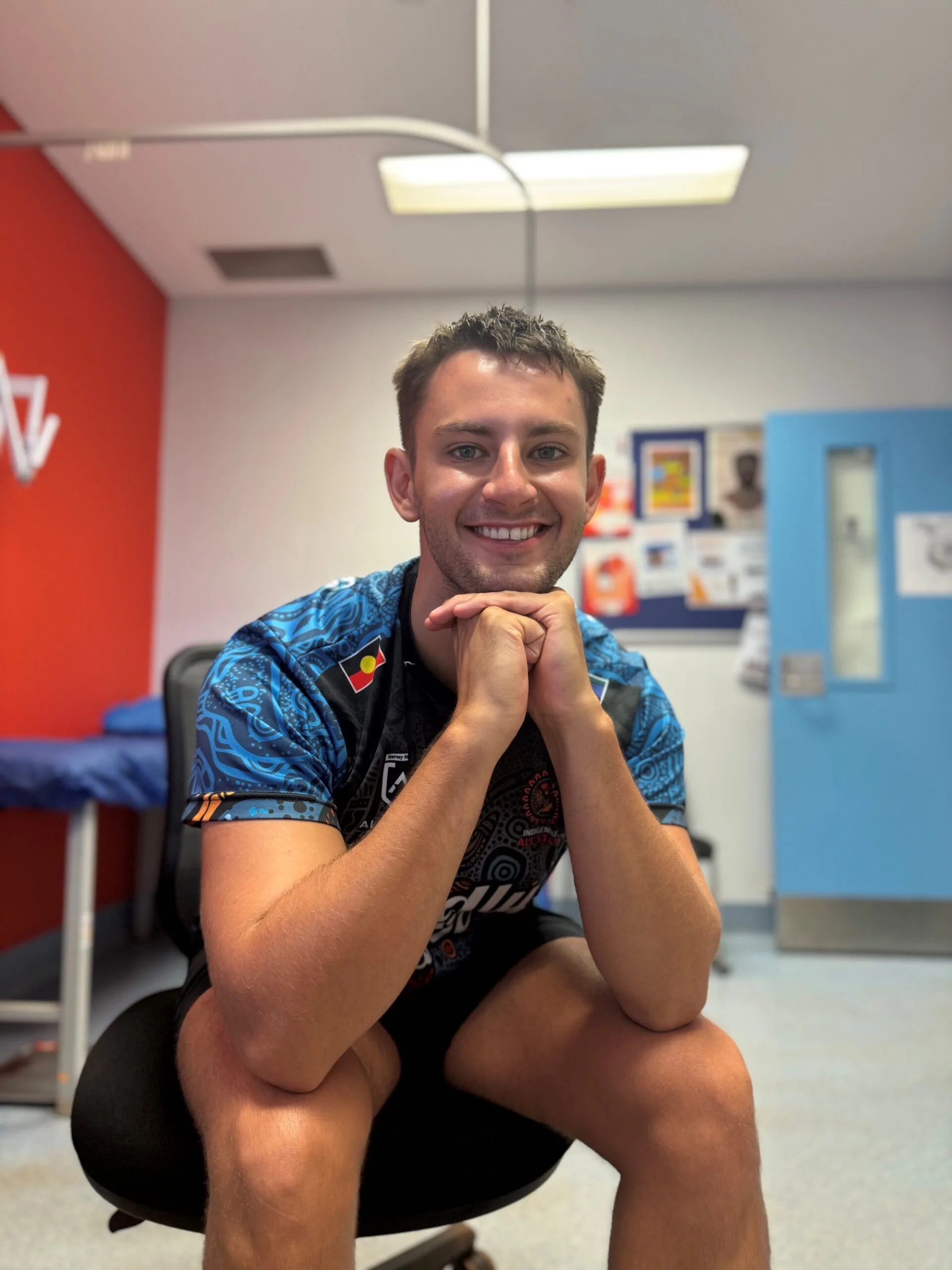
In the outback, I wasn’t just a nurse. With some communities not having a doctor or pharmacist, it was my job to prescribe medications and often perform vital checks or life saving assistance.
At times it was just me, a patient and the flies.
I had to monitor patients’ vitals manually and improvise with whatever supplies were on hand.
“When’s the last time you saw a doctor, mate?” I’d ask my patients. The answer was often the same.
“Not for years,” most replied.
Without doctors routinely visiting the community, some patients had been suffering with their ailments for lengthy periods.
And if they needed advanced care, we’d have to phone for the Royal Flying Doctors.
For the past three years, my life has centred around providing the best healthcare I can to rural Australians.
It’s particularly hard during the wet season when everyone’s isolated.
One day, our clinic was notified that a patient on the other side of floodwaters had gone septic.
My colleague and I jumped into the 4WD and sped towards the deluge.
Muddy waves splashed violently against the bonnet as I gripped the steering wheel, pushing through the deep surge.
Thankfully, we reached the patient in time and were able to radio for a helicopter for help.
Sometimes, when the water got too deep we’d jump into a tinny, borrowed from members of the public, then navigate the flooded land to haul vital medicine and medical gear across.
First Nations health is the core of what I do, working every day to help close the gap.
Living and working in these towns allows me to build trust with the locals.
It inspired me to work with indigenous artists, turning their vibrant artwork into colourful scrub tops that bring pride and connection straight into the clinic.
I just want to bring joy everywhere I go, both in person and online.
Join 66,000+ readers who love our real-life stories. Sign up for Take 5’s free weekly newsletter and never miss a story!
Every Sunday, I sit down to post an honest, unfiltered reflection about my week on my social media.
I talk about the hard calls, extreme shifts, community life, and the reality of living out of my car.
Despite being alone on the road travelling in between clinics, I don’t often get lonely.
The connections I have within the communities is all I need.
In remote health, nurses are the absolute backbone of the whole system.
“The real, the raw and the fabulous,” I tell my 30,000 online followers.
I love every aspect of my job in the outback.
Out here under the stars, eating my chops off the tailgate, I know I’m exactly where I belong.

