


 Supplied
To celebrate Play School’s 60th birthday, Woman’s Day has set out to uncover 60 things you didn’t know about the show.
Here’s what we found:
LONG-SERVING PRESENTERS
1. Play School first hit our screens on July 18, 1966 – with its premiere episode presented by hosts Alister Smart and Diane Dorgan.
2. It’s Australia’s longest-running children’s TV show ever.
3. The show was inspired by the BBC show of the same name – which went off the air in 1988.
4. It’s now second only to the UK’s Blue Peter for longevity. That show started airing in 1958.
5. Play School initially aired in black and white. The first colour episode was broadcast on June 28, 1976.
6. Some of Australia’s most serious actors have, at some point, sat on the floor and chatted to Big Ted and co. – including Deb Mailman, Kat Stewart and Noni Hazlehurst.
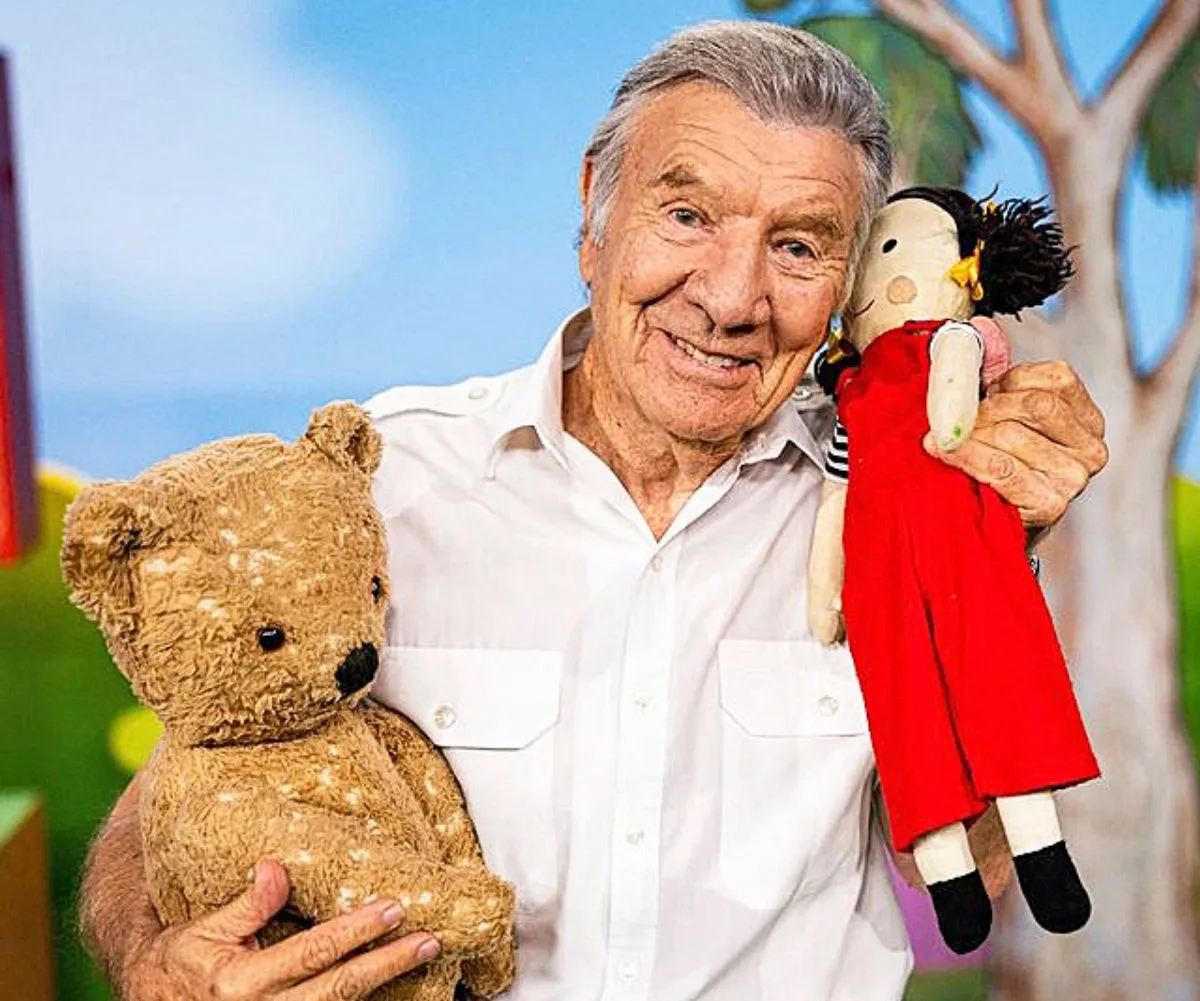
7. Don Spencer was one of the longest-serving presenters, appearing on the show from 1968 to 1999.
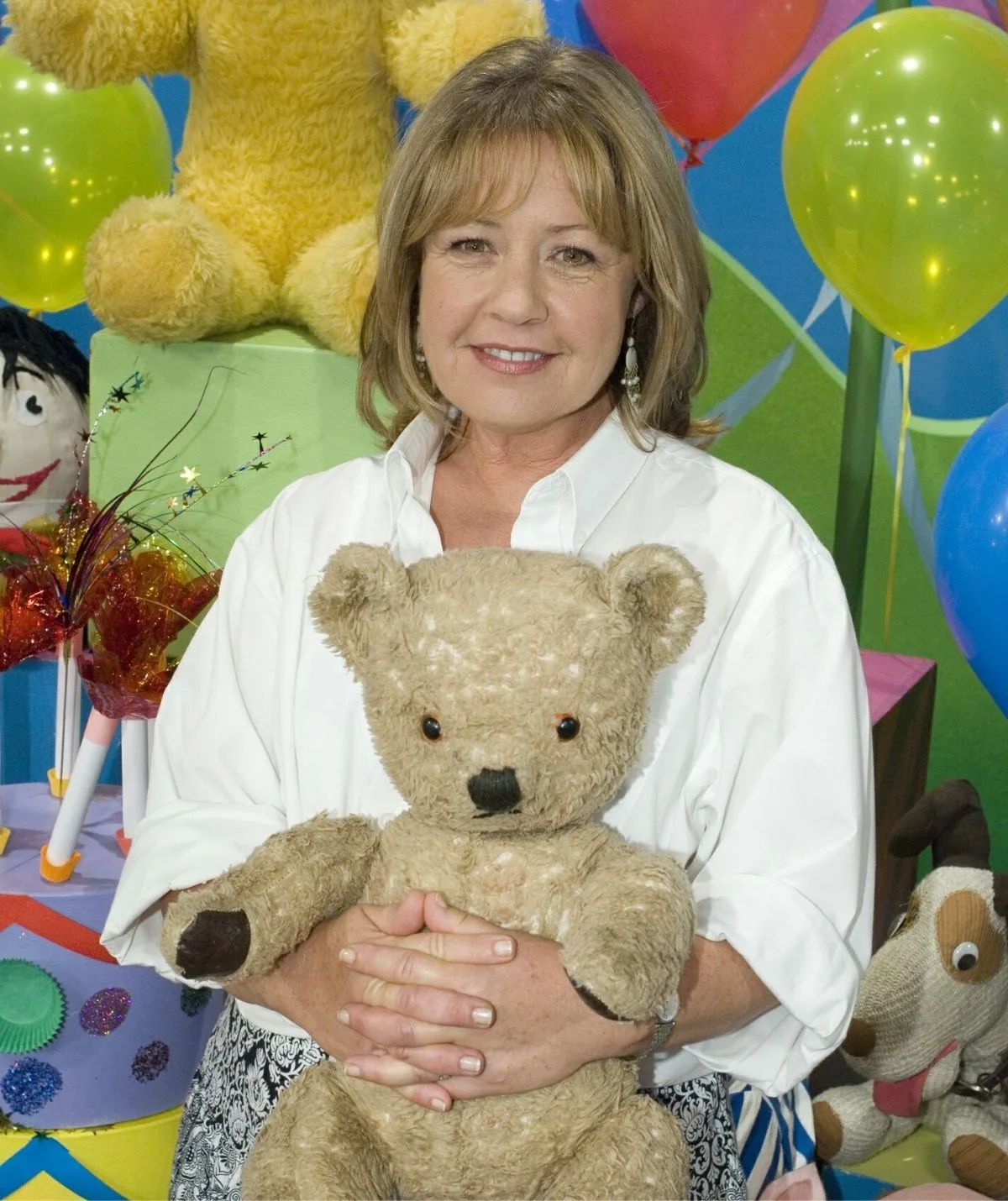
8. Noni spent more than 20 years on the show, across two stints.
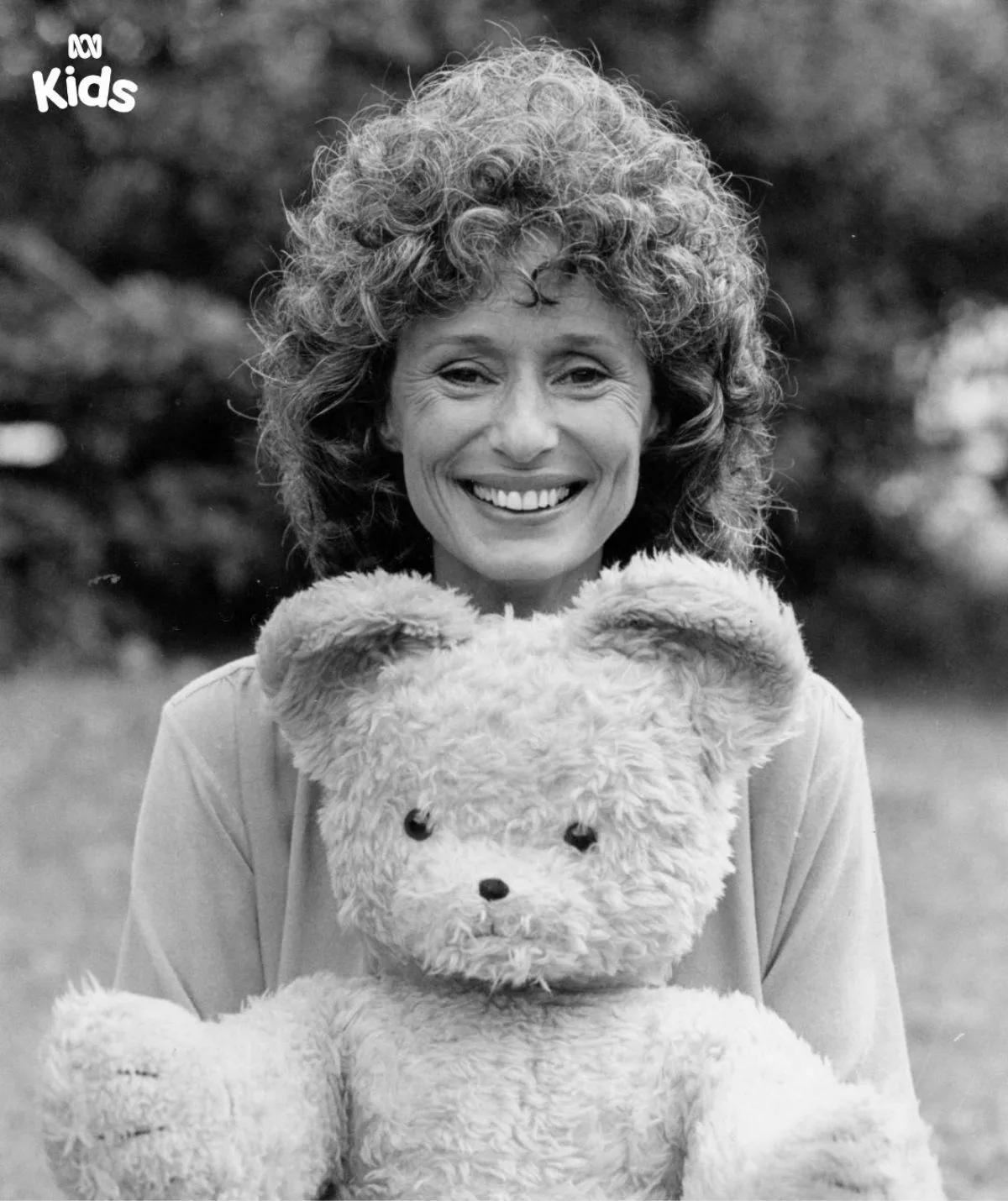
9. Benita Collings holds the record as the longest-serving female presenter. She appeared on screen in more than 400 episodes.
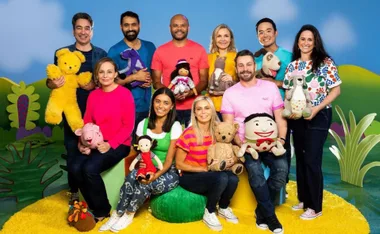
10. More than 200 different presenters have appeared on the show since it began in 1966.

SECRETS FROM THE SET
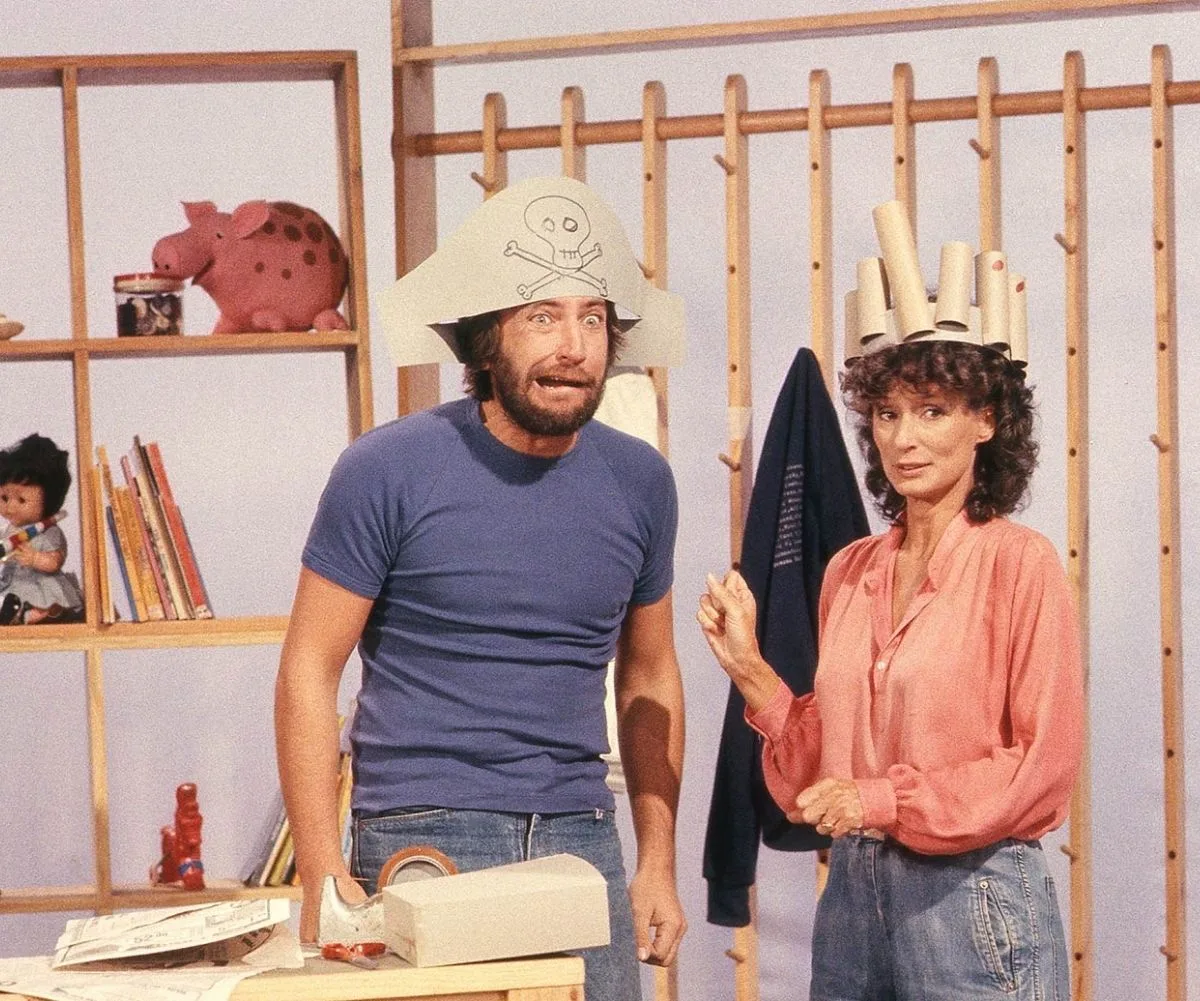
11. John Hamblin appeared in more than 350 episodes of the program and was affectionately known as “Naughty John” for his cheeky sense of humour and irreverent nature.
12. The presenters are all trained actors or musicians who can connect with the target audience of preschoolers.
13. The presenters’ first word is always, “Hello!”
14. Despite its relaxed feel, Play School is carefully structured and rehearsed. “People just think it’s free-flowing and ad-lib… but it’s not at all,” says series producer Bryson Hall.
15. Growing up watching the show, Eddie Perfect says becoming a Play School host is a huge honour. “There aren’t many things that are constant and constantly loved in this world, but Play School is one of them,” he says.
“I can’t remember a time when Play School hasn’t been a part of my life. I grew up tuning into the adventures of Big Ted, Jemima, Humpty Dumpty and the whole gang, dancing around my living room with Benita, John and Noni. Being invited on to the Play School team is the greatest gift an Australian actor can receive.”
16. In 1992, a Through the Windows segment featured an early performance by the Wiggles – performing the songs Get Ready To Wiggle and Rock-A-Bye-Your-Bear at a childcare centre.
17. The famous Play School set is not permanent – it’s repeatedly packed down and rebuilt inside ABC Studio 22, which is also used for shows like Q&A and Race Around The World.
18. Becoming a presenter feels like a full-circle moment for Luke Carroll. “I remember being in preschool and sitting on the ‘Magic Carpet’ to watch Play School,” he says. “It now feels so surreal to be in front of the camera and entertaining the young children of Australia.”
19. The iconic Play School theme song was composed by Australian musician and ABC producer Richard Connolly, and the now-famous lyrics were written by Rosemary Milne.
DEBUNKING RUMOURS
20. The song has been re-recorded multiple times over the decades but the “There’s a bear in there…” opening line has never changed.
21. The song is so iconic, it’s now in the National Film and Sound Archive’s Sounds of Australia collection.
22. Big Ted – arguably Australia’s most famous teddy – was, it’s said, handmade by toymaker Alex Pye for Play School’s early years.
23. Even insiders admit they aren’t entirely sure what happened when all the toys reportedly vanished decades ago. Bryson says he heard they “disappeared at one point and then just kind of turned back up again. It was almost like they went on a holiday and then just came back!”
24. There are back-up Big Teds – but “certainly not 12”, says Bryson, debunking an online rumour that there are a dozen extras just in case.
25. Miah Madden is the youngest presenter on the show, starting in 2022 at the age of 19. “When I got the opportunity to work on Play School it was a dream come true. I felt like a fan visiting the set on my first day!” she says. “I got to finally meet Little Ted, do some arts and crafts with presenters I’ve admired my whole life and I got to sing and dance and be a little bit silly.”
26. After decades on screen, the toys are carefully maintained and repaired to keep them camera-ready. “We really take good care of them,” says Bryson.
27. The production team won’t allow real food near the toys to avoid stains or damage. “You won’t see the toys helping out in the kitchen that often,” Bryson jokes.
28. Similarly, the toys are kept “under lock and key” when not filming.
29. Humpty has had multiple design updates over the years – more than most of the toys on set.
MANY SONGS TO SING ALONG TO
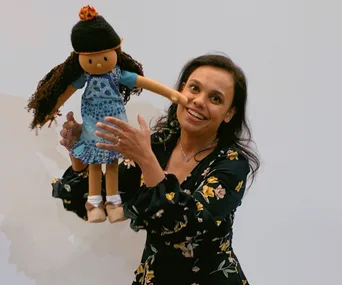
30. Kiya is the newest of the regular Play School toys, introduced in NAIDOC Week 2019 as part of the show’s updates to reflect contemporary Australia. Her name means “hello” in Noongar language.
31. Joey the kangaroo – created by acclaimed kids book illustrator Bruce Whatley – joined Play School for its 50th Anniversary in 2016.
32. There are 1821 songs in the Play School catalogue. The most popular include Humpty Dumpty, Wheels On The Bus and Twinkle Twinkle Little Star.
33. Every year, the show upcycles around 850 bottle tops, 600 cardboard boxes, 420 food boxes, 330 plastic bottles and 300 egg cartons for craft projects.
34. The Royal Australian Mint in Canberra marked the 50th anniversary of the show with specially designed 50 cent commemorative coins.
35. The famous arch, square and round windows come from the original BBC format but were adapted by the ABC team. Those famous windows aren’t random – they’re chosen to match each episode’s theme and quietly teach shapes and perspective.
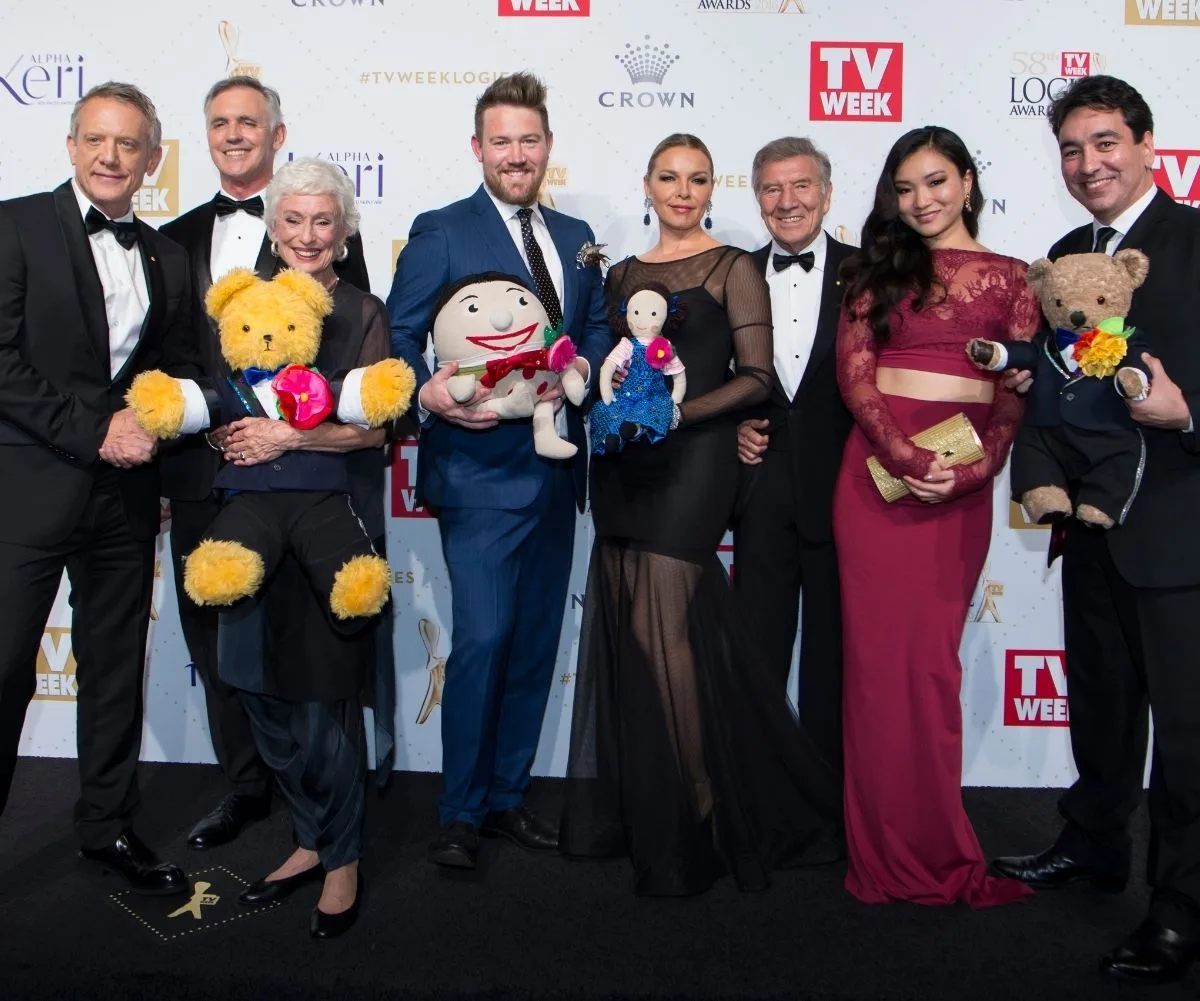
36. Play School was inducted into the Logies Hall of Fame on its 40th anniversary in 2006 – only the third show to enter the Hall of Fame in its own right, after Four Corners (1992) and Neighbours (2005).
37. Series producer Bryson Hall admits he has a sentimental favourite among the toys – Kiya – because he was working on the show when she was introduced.
38. Host Alex Papps loves his job. “I’m very proud to be a part of a program that families all over Australia have loved for many years; a program that has always promoted inclusivity, empathy, care for one another and care for our planet,” he says.
39. Play School produces around 30 full-length episodes each year, made up of six themed seasons of five episodes, which are filmed in production blocks.
LIFE AS A PRESENTER
40. Each show is filmed in one single day – and there is a full day of rehearsals that takes place beforehand.
41. There is no autocue – the presenters have to learn all their lines.
42. The presenters work from scripts that can run longer than 26 pages per episode.
43. Despite appearances, being a presenter on the show is actually hard work. “I’ve met some really great actors that have come on just to guest and they said that they would never do the show because they realise how hard it is,” says Bryson. “They’re like, ‘I’m used to doing scenes bit by bit, line by line. There’s no way I’m doing that!’”
44. Every episode of Play School is shaped with input from early childhood specialists, who review scripts and attend rehearsals. “We wouldn’t do anything on the show if it wasn’t definitely all checked off,” says Bryson.
45. Even complex topics like grief are guided by specialists, with experts involved throughout production to ensure what’s happening is “all OK for early childhood”, says Bryson.
46. The show screens four times a day, seven days a week.
47. Each season takes 17 weeks to make, from planning through to the final broadcast.
48. The opening sequence of Play School has been updated around half a dozen times since 1966, shifting from simple black-and-white graphics to today’s bright, stop-motion visuals.
49. The Rocket Clock and the Flower Clock are now both part of the National Museum of Australia’s collection exhibit.
BRINGING THE FUN
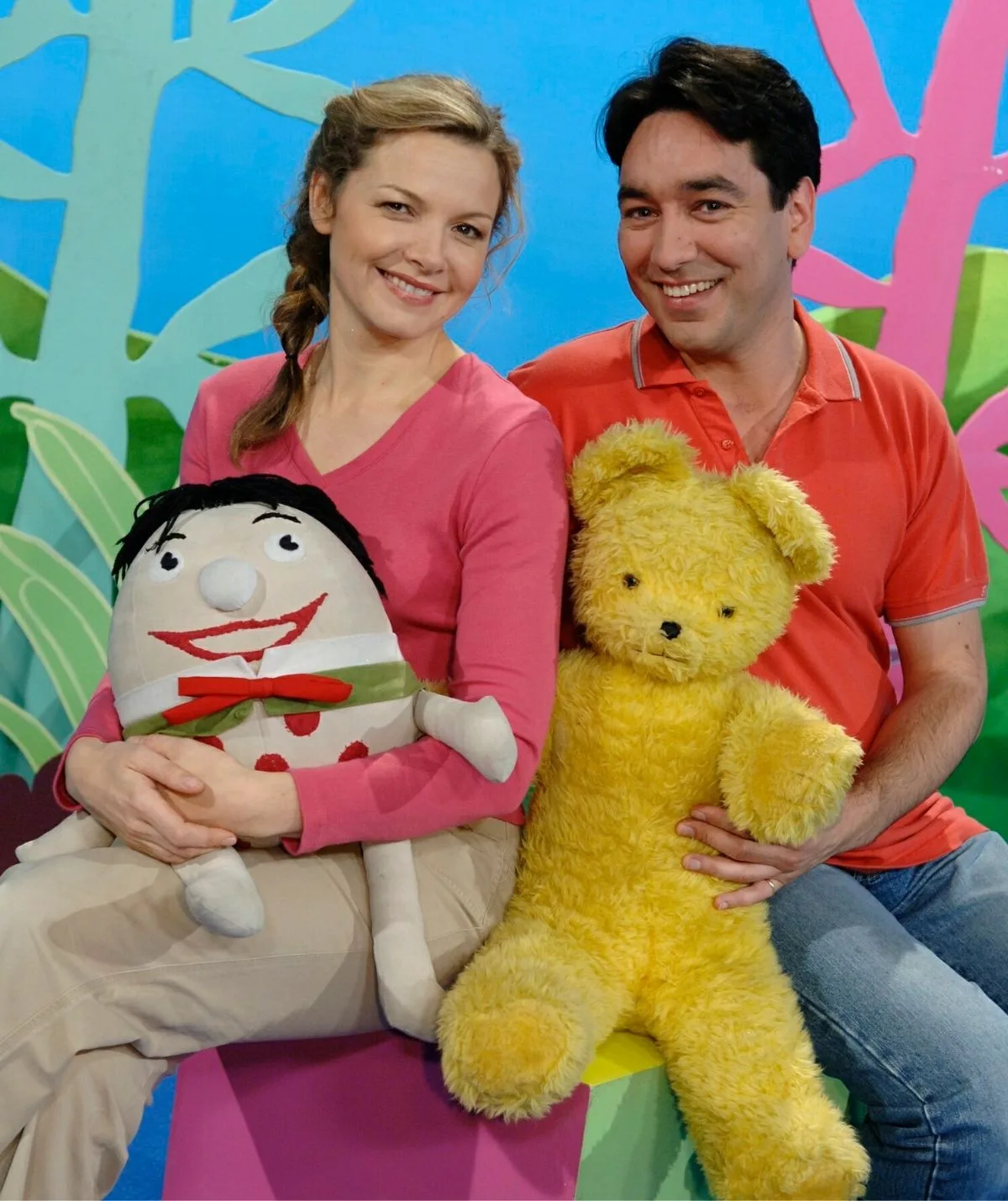
50. Play School host Abi Tucker says that she was overwhelmed meeting Jemima. “Having the screen experience she has really puts my experience on screen into perspective,” she says. “Jemima has been on TV almost every day for many years, taking part in singing, storytelling and making craft, for herself and her friends.”
51. Play School presenters are trained to speak directly down the barrel of the camera to create the feeling that they are talking to one child, rather than a group. This intimate, “one-on-one” communication style has remained the same since 1966.
52. The show deliberately builds in time so children watching at home can answer questions from the presenters. Bryson calls them “purpose-built pauses”. He says they can feel “very awkward in the studio” but, at home, children quickly realise “they’re waiting for me to answer” and respond out loud.
53. Not originally made for the show, fan favourite Jemima was a commercially available soft doll that was adopted into the line-up in the early years.
54. Host Leah Vandenburg admits she was in awe when she met the rest of the cast. “On my first rehearsal day when I met Big Ted, Jemima and all of the toys I felt quite starstruck,” she recalls. “I remember people talking around me but I didn’t hear what they were saying becauseI was in my own little wow bubble.”
55. Host Andrew McFarlane is well known for his roles on TV shows such as The Flying Doctors, but Play School is particularly close to his heart. “I’ve been loving presenting on Play School for over 20 years now and I’m so happy and proud that I have been a part of thousands of Aussie kids learning how to play, imagine and take part in the adventure of life!” he enthuses.
56. Even the studio size surprises people when they come in. Visitors are often shocked by how big the actual set is, says Bryson.
57. The set is designed for efficiency as well as creativity, with four very separate areas so the crew can prepare one segment while another is being filmed.
58. Play School is designed to keep children engaged without overwhelming them. Bryson says the show’s mix of songs, stories, movement and craft is carefully structured to hold their attention.
59. An estimated 80 per cent of preschool children under six watch the program at least once a week.
60. Play School scripts don’t start from scratch – script outliners, producers and early childhood experts map out each episode in detail first, so writers can focus on “bringing the fun”.
A NEW TOY TO CELEBRATE!
As part of the show’s 60th anniversary celebrations, a nationwide competition for children to design their own Play School toy kicked off in May, with more than 9700 entries.
The winning design will be professionally created by the Play School team and featured in an episode of the show airing in October 2026 – then gifted to its creator as a memento!
It wouldn’t be a big birthday without lots of celebrations!
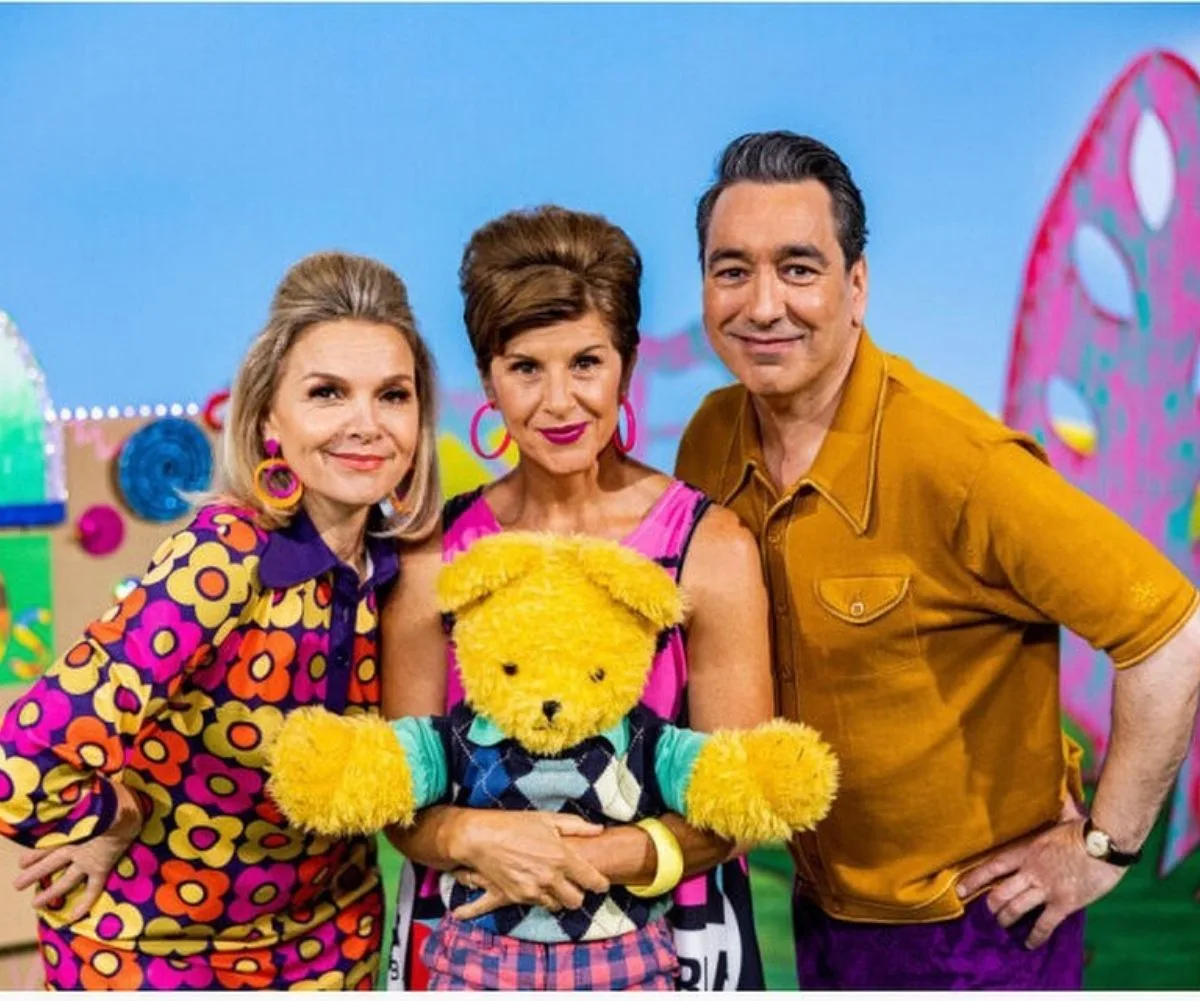
Play School’s latest season, Party Animals, launched on Monday July 13 on ABC iview, with a new episode airing daily from July 13-17 on ABC Kids.
Each episode features a different themed party where the presenters and toys create invitations for friends, make decorations, cook delicious party food, dress up in fantastic costumes and play lots of fun party games.

