





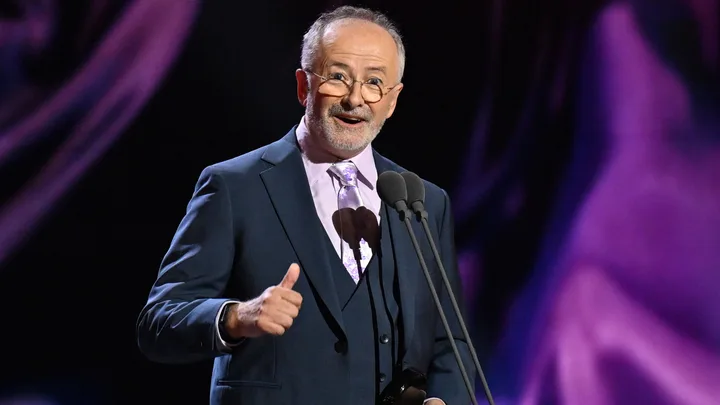
Before being inducted into the TV WEEK Logie Hall of Fame at this year’s awards, Andrew Denton hadn’t been to the Logies for almost two decades. The last time he’d turned up was in 2008, when The Gruen Transfer, which he’d co-created, was just about to launch.
“I was nominated for the Gold Logie, so every time they cut to me, all of us at the ABC table raised our Gruen beers,” Andrew tells TV WEEK.

The real beer sponsors of the event were not impressed.
“There was a story in the paper about how angry they were that this other beer brand had been advertised,” Andrew remembers. “But it wasn’t a beer at all, it was for a TV show.”
Andrew, now 66, has been pushing boundaries on TV ever since 1988, when he hosted his first series, Blah Blah Blah, which he describes as “serious television done stupidly”.
“I think the very first show I ever did was about AIDS, but it ended up being complained about in federal parliament,” he remembers. “So I thought we got off to a great start.”
Andrew continued tackling serious topics in The Money Or The Gun, but the show is best remembered for having a different musical act each episode performing the Led Zeppelin song “Stairway to Heaven”, with the many versions released on a CD entitled Stairways To Heaven. Andrew says he eventually got to meet Robert Plant and Jimmy Page from the band.
“One of the happiest moments of my life was when Robert told me that he had bought multiple copies of Stairways To Heaven to give to his friends as Christmas presents.”
In 1998, after watching the Logies, Andrew rang Nine Network CEO David Leckie to complain and to say that he would be happy to offer ideas for the following year.
“And he very smartly called my bluff,” Andrew remembers, “and said, ‘Well, why don’t you do it?’”
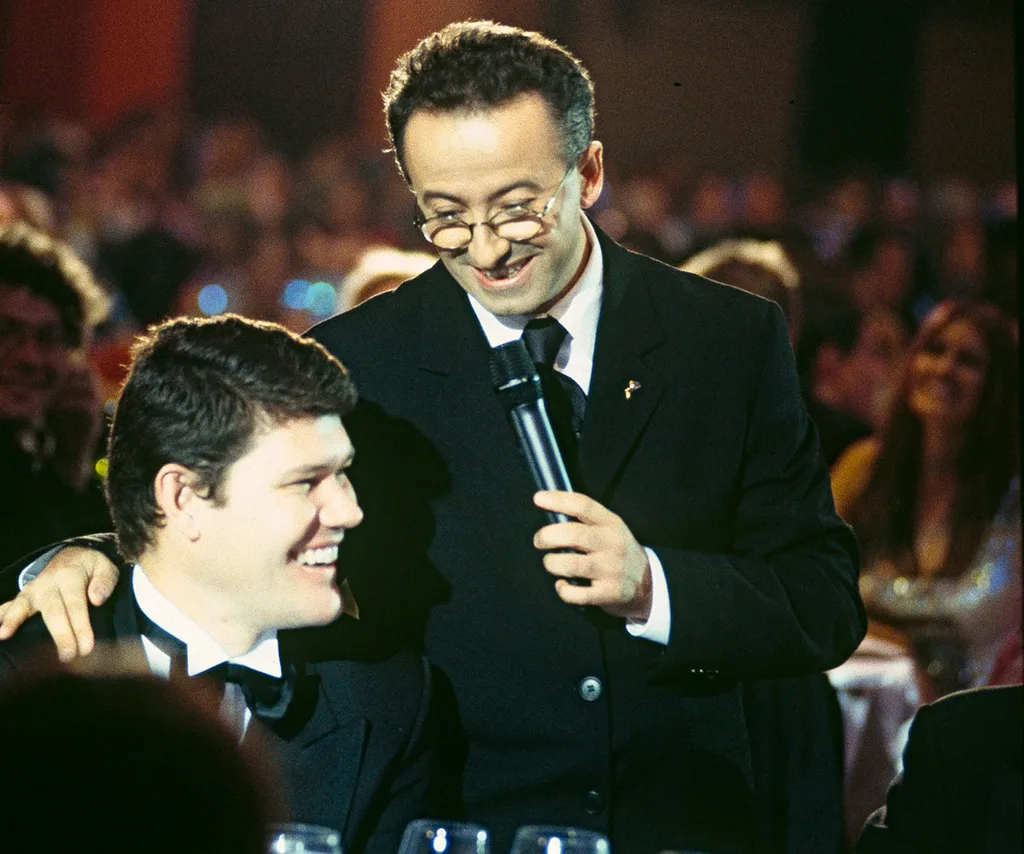
The following year, as Logies host, Andrew sat in media mogul James Packer’s lap and pretended to be his ventriloquist’s dummy. It was something James didn’t know about beforehand – and something Andrew had only come up with the night before.



“The minute it was over, we went to the commercial break, and James said, ‘No more,’” Andrew says. “But we did catch up afterwards and had a couple of drinks.”
Through the talk show Enough Rope, which ran for more than 160 episodes, Andrew became known as one of Australia’s greatest interviewers. He spoke to everyone from former US president Bill Clinton to singer Elton John. But for him, one of the most memorable interviews he did was with a woman called Jill and her schizophrenic son Allan.
“I remember the camerawoman, Julia, saying to me afterwards that she was in tears filming it,” he says.
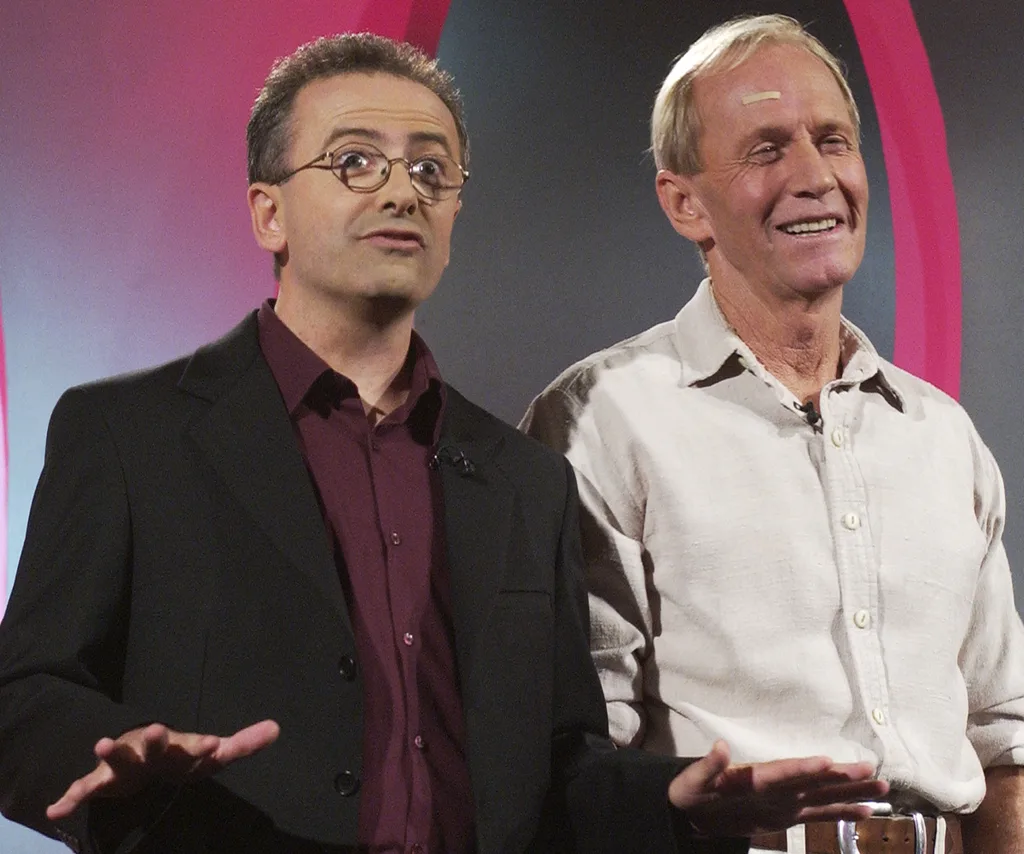
Andrew was nominated for the Gold Logie twice while on Enough Rope, but he’s always been much more than an on-air personality. The co-creator of all the Gruen shows and Hungry Beast, he’s also responsible for taking the team behind The Chaser comedy newspaper and turning them into TV stars.
“I still play tennis with them, and I’ve yet to take a set off Craig Reucassel,” he says. “And that’s the only ambition I have left in my life.”
The truth is, Andrew never loved being in front of the camera.
“I hated the nervous energy. Didn’t particularly like being a public figure. I liked the power of what television could do, and when a thing came off really well, of course it felt wonderful. But no, I couldn’t wait to get off the screen.”
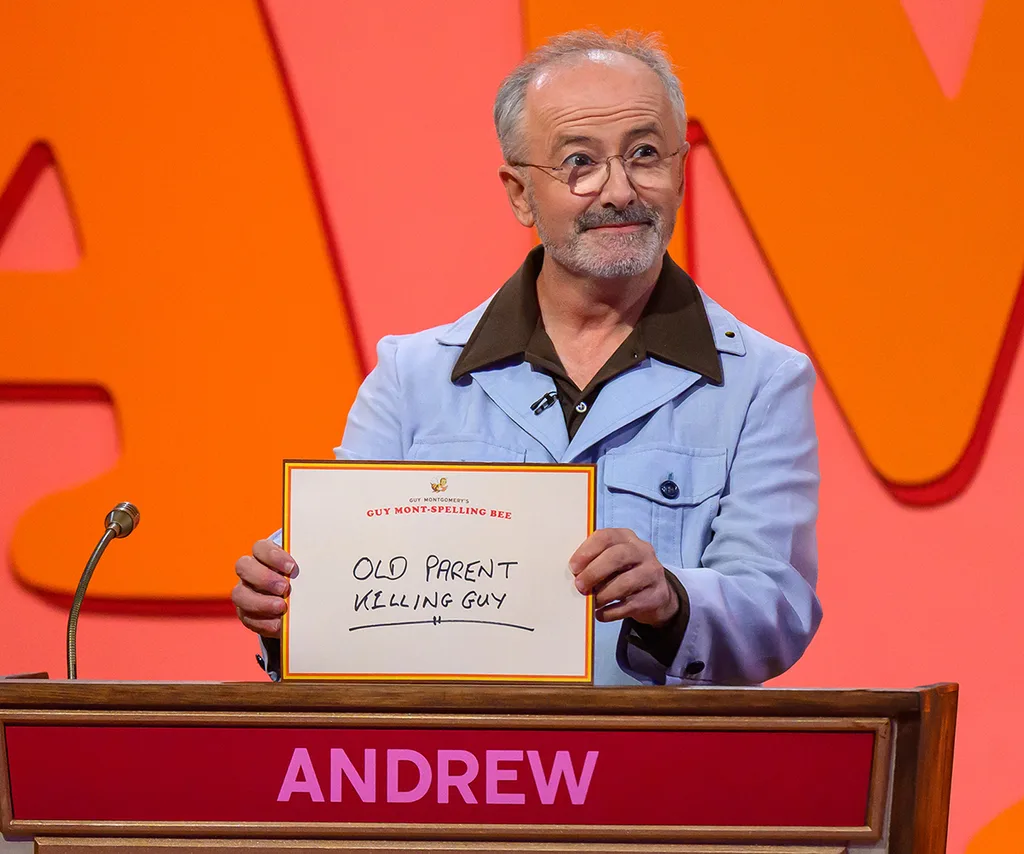
In recent years, Andrew has devoted his time to advocating for end-of-life choice, something he says is “close to a full-time job”. But he can still be tempted back to TV, as he was recently for Guy Montgomery’s Guy Mont-Spelling Bee.
And, of course, there’s his induction into the Logie Hall of Fame. Andrew says he’s “pretty surprised” but “very grateful” that a jury of his peers has awarded him that honour.
“I feel like I can officially be dead now,” he jokes. “It’s good. I’m done.”
He also gave some words of wisdom that he’s learnt throughout his illustrious career in an emotional acceptance speech.
“The first is back yourself. If you reckon you might be better than everything else that’s out there, you may just be right,”
“The second is: Don’t be afraid to praise someone else, even if they’re your rival or you don’t know them. If they nail it, get the contact, text them, or give them a call.
“And the third is get ready to fail. It’s a part of the creative process. It takes time, but trust me, you’ll laugh at the scars later in your life.
“The final one is. Bring the Next Generation through. There’s a great saying, you can’t show an artist anything. All you can do is open the door and show them the tightrope.
“Be that person [and] open the door. There are a few things more professionally joyful than wishing somebody success without an agenda and seeing them achieve it.
“Be generous. You’ll be repaid a hundred times over.”

