





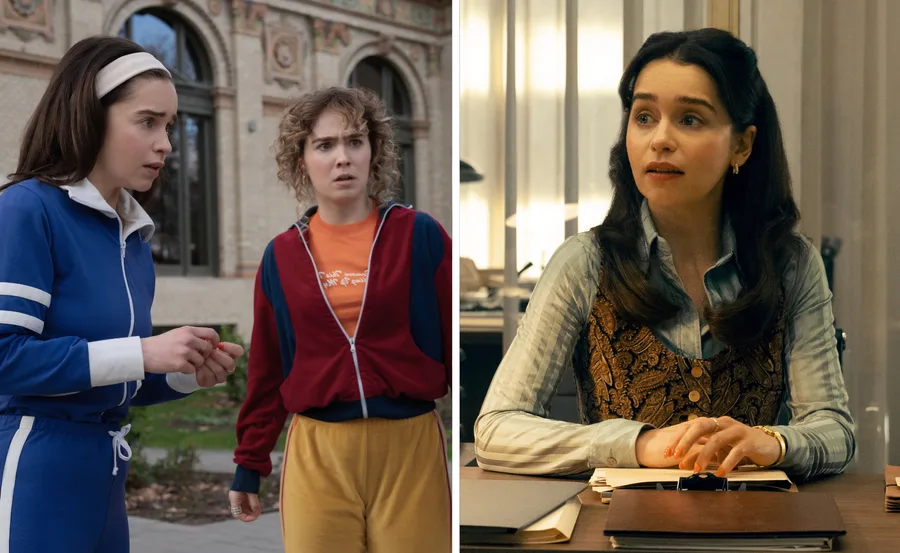
Ever wanted a peek through the Iron Curtain? Well, Emilia Clarke and Hayley Lu Richardson’s Ponies aims to do just that.
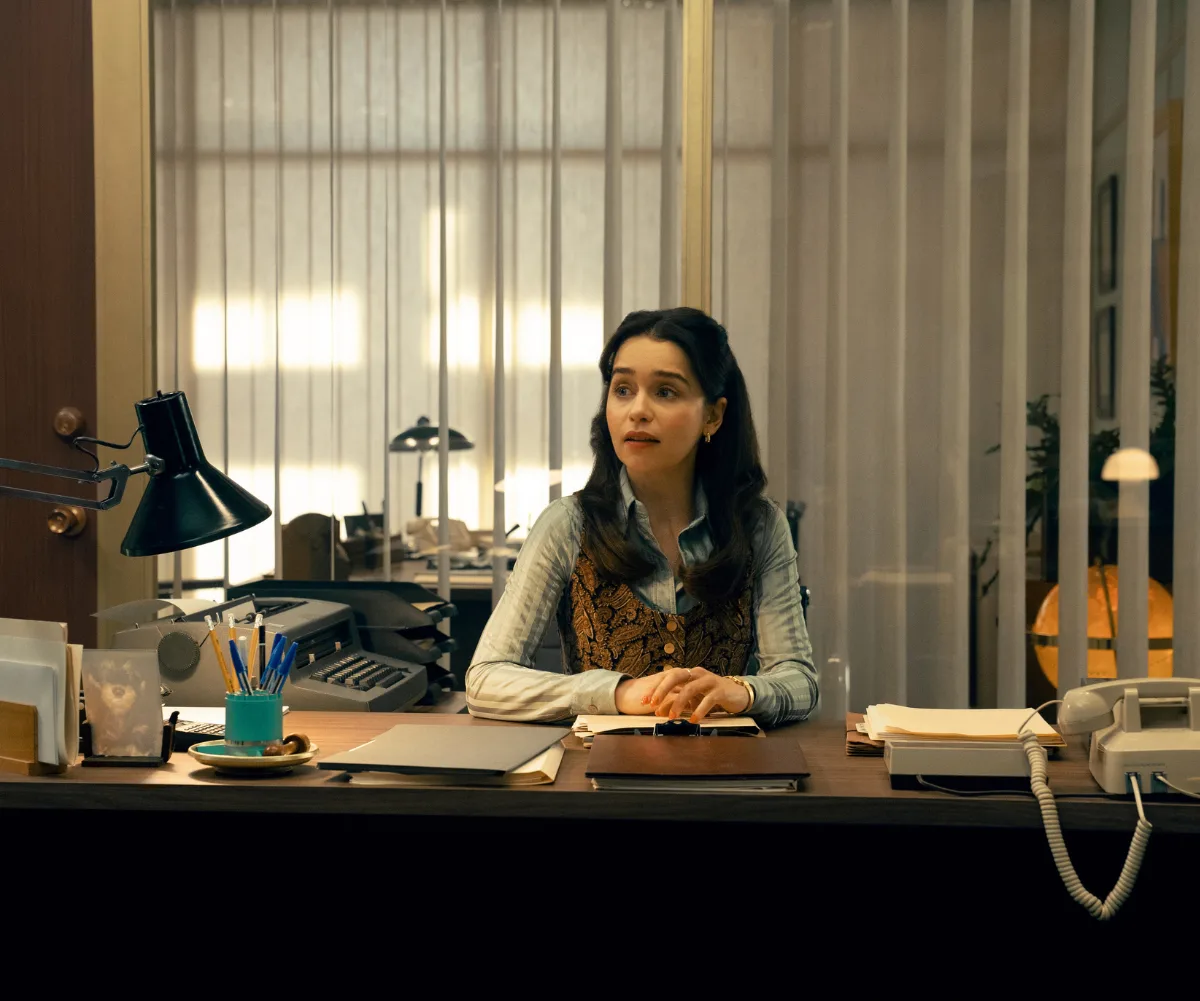
Set in 1970s Moscow, the series follows Bea (Emilia Clarke) and Twila (Hayley Lu Richardson) as two “persons of no interest” — nicknamed Ponies — who work as secretaries in the American Embassy alongside their husbands. However, when both their husbands die under mysterious and suspicious circumstances, the pair find themselves becoming useful assets for the CIA.
In Bea’s case, it only seems like a natural fit. As the well-educated, Russian-speaking daughter of Soviet immigrants, she can easily use her skills to gather intelligence. Meanwhile, non-Russian speaking Twila may not be as educated as Bea, but her street smarts and fearless attitude proves to be equally as useful.
Compelling storyline aside, it’s hard not to watch Ponies without reflecting on the real history that took place in Moscow in the 1970s.


Did the CIA really use the wives of male operatives to seek government intelligence without being noticed? And how much of Ponies is rooted in real Cold War history?
Well, let’s find out.
Was Ponies based on a true story?
In short, not exactly.
According to the series creators Susanna Fogel and David Iserson, Ponies is inspired by the general era in history and their love of Cold War-era movies. However, that doesn’t mean that all of it is fictionalised. Using memoirs, declassified documents and chatting to locals, the pair got to work to create a story that was as believable as possible.
“We knew that it was going to be impossible to have documentary-style accuracy but we wanted it to feel true because the truth always makes for richer stories,” Iserson told Town & Country.
“One little piece that kept coming up was that running a spy operation in Moscow was next to impossible.
“If you were an American and you left the embassy, you were followed. They couldn’t do anything, so they were very willing to get unconventional. Susanna pitched the idea of a story about two very different women who become part of the CIA, and from there the idea developed and the characters blossomed. We were off to the races.”
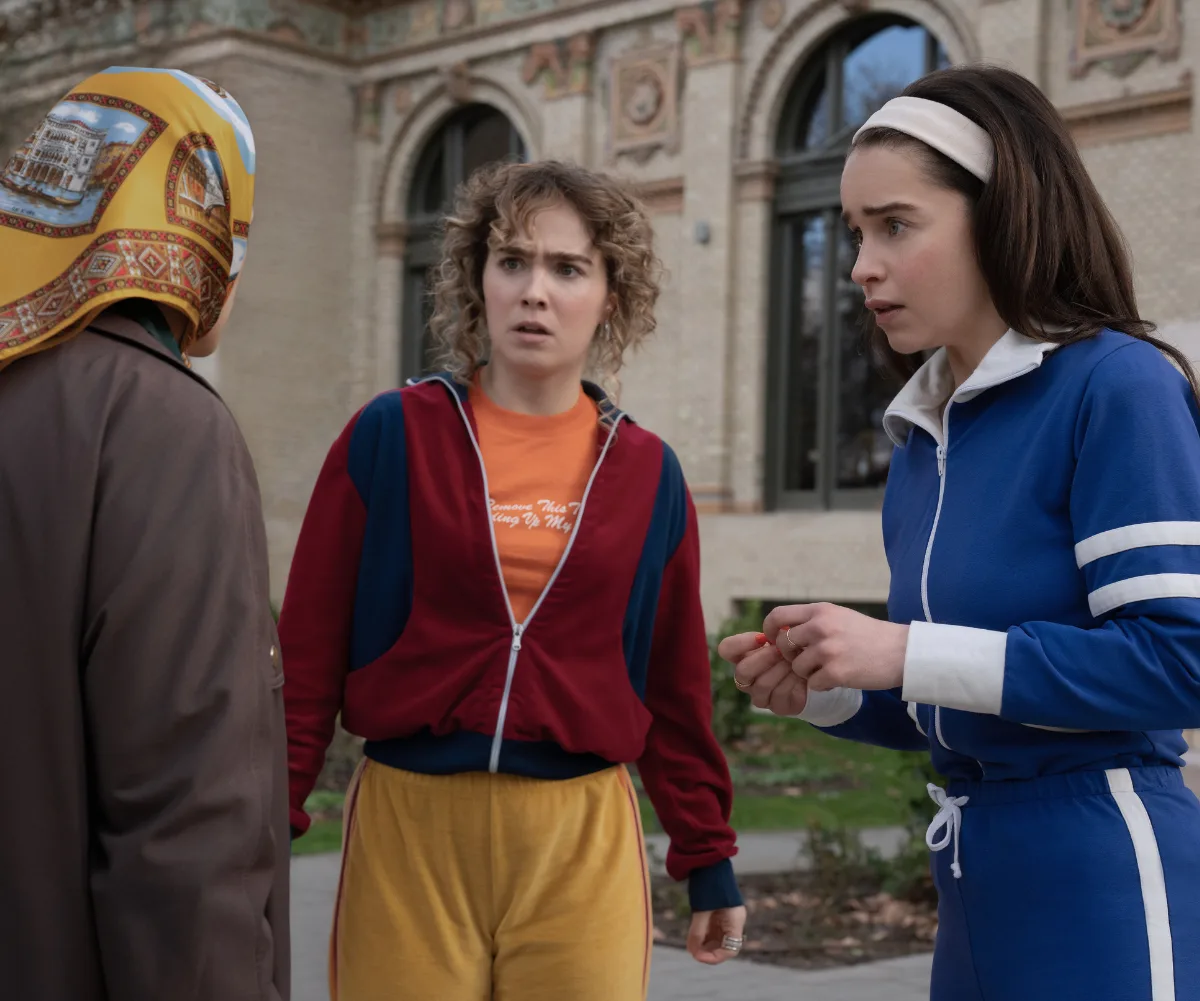
The duo said that having Ponies based in fiction with elements of truth was much more freeing than being locked into a historical drama.
“Having made movies and shows that are based on actual historical figures, it’s best when you can invent too and have it be a real mix,” Fogel explained, per Town & Country.
“Sometimes if you’re too slavish about the details, it isn’t as good as the dramatically enhanced version. I don’t mean the lying version. I just mean we had to use our powers of invention for the most cinematic characters and the best arc.
“But we’re definitely always inspired by those truth-is-stranger-than-fiction moments.”
Were female spies used in the Cold War?
While Ponies may be a creative work, women — usually the wives of operatives — were used as spies in Cold War Moscow.
Similarly to Bea and Twila, the women weren’t necessarily on the books. However, according to journalist Liza Mundy’s book The Sisterhood: The Secret History of Women at the CIA, women played a vital role in American intelligence during the Cold War.
Through interviews with former CIA officers — including the first female officer Eloise Randolph Page — Mundy documented how useful women were in this profession, and not in the typical “honeypot” role often depicted in spy-related media.
“Historically, when it comes to women and espionage, the most effective agent is generally not a “Bulgarian bombshell,” but rather the woman you’d never give a second glance,” Mundy wrote in a piece for TIME Magazine.
“Historically, women spies have traded not on their sexuality but their perceived insignificance. So useful are the trappings of drab domesticity—the trundling baby carriage, the hefting of grocery bags—that the CIA had a term for the safety they confer: it was called “housewife cover.” And many of the people who have used this cover were, in fact, actual wives.”
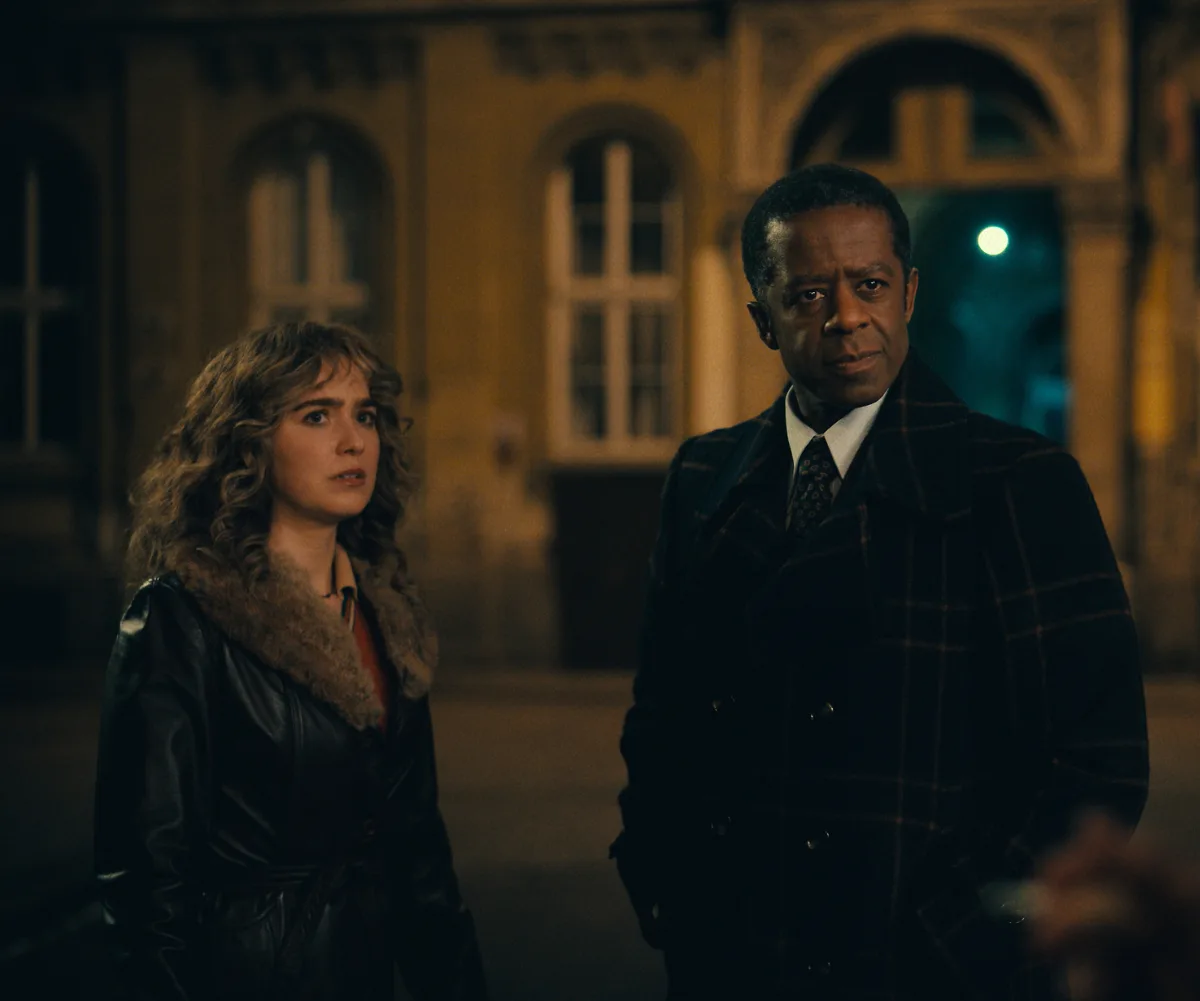
Similarly to Bea and Twlia in Ponies, the wives of CIA officers were expected to take on jobs within the embassy walls. While their (minimal) paychecks amounted to the likes of secretary work, Mundy claims that they were often expected to act as “clandestine extensions of their spymaster husbands”.
“While James Bond movies are set in casinos and ski resorts, much real-life spy work unfolds in the home, where a case officer can expect privacy and exert control. Wives were the people who made that happen,” Mundy wrote.
Mundy claims that due to stiff patriarchal beliefs, people on both sides of the curtain believed that female spies weren’t up for the job, despite how successful they were at staying under the radar.
“Spy wives were proving the opposite: housewife cover transformed an apparent weakness—lower status—into a strength,” said Mundy, per TIME Magazine.
“Whatever a housewife was doing—shopping, lunching—it surely wasn’t important, adversaries thought. If she reached beneath a chair to pick up a message, who would notice? The more patriarchal the culture, the more a wife could get away with.”
It’s that truth that Ponies taps into. While Bea and Twila may be fictional creations, the world they inhabit is grounded in a reality where invisibility was currency and women, dismissed as background figures, quietly became some of the most effective secret operatives of the Cold War.

