


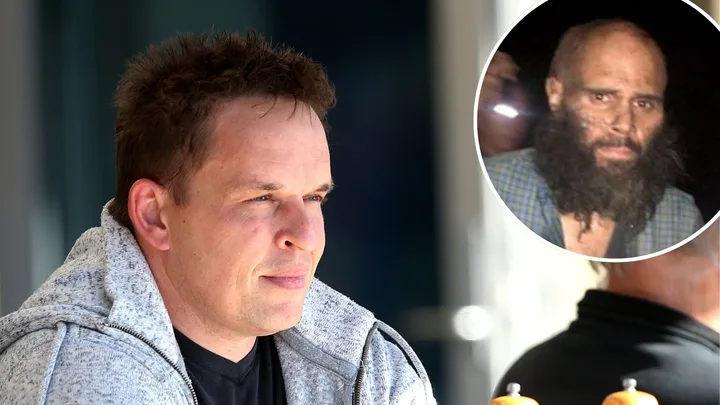
It was New Year’s Eve and the neon lights of Kings Cross had lost their sparkle for Brad Macfadyen, a rising star of the NSW police force who spent five years pounding the pavement of Australia’s most famous red light district.
The following day – the first day of 2006 – the then-28-year-old was starting a dangerous new assignment, involving full body armour, high-powered rifles and nasty and dangerous crooks.
And stress – lots of stress. Brad didn’t know it at the time, but his coveted new role as a member of the Tactical Operations Unit would end up costing him relationships, his sanity, his job – and almost his life.
EXPERT BUSHMAN
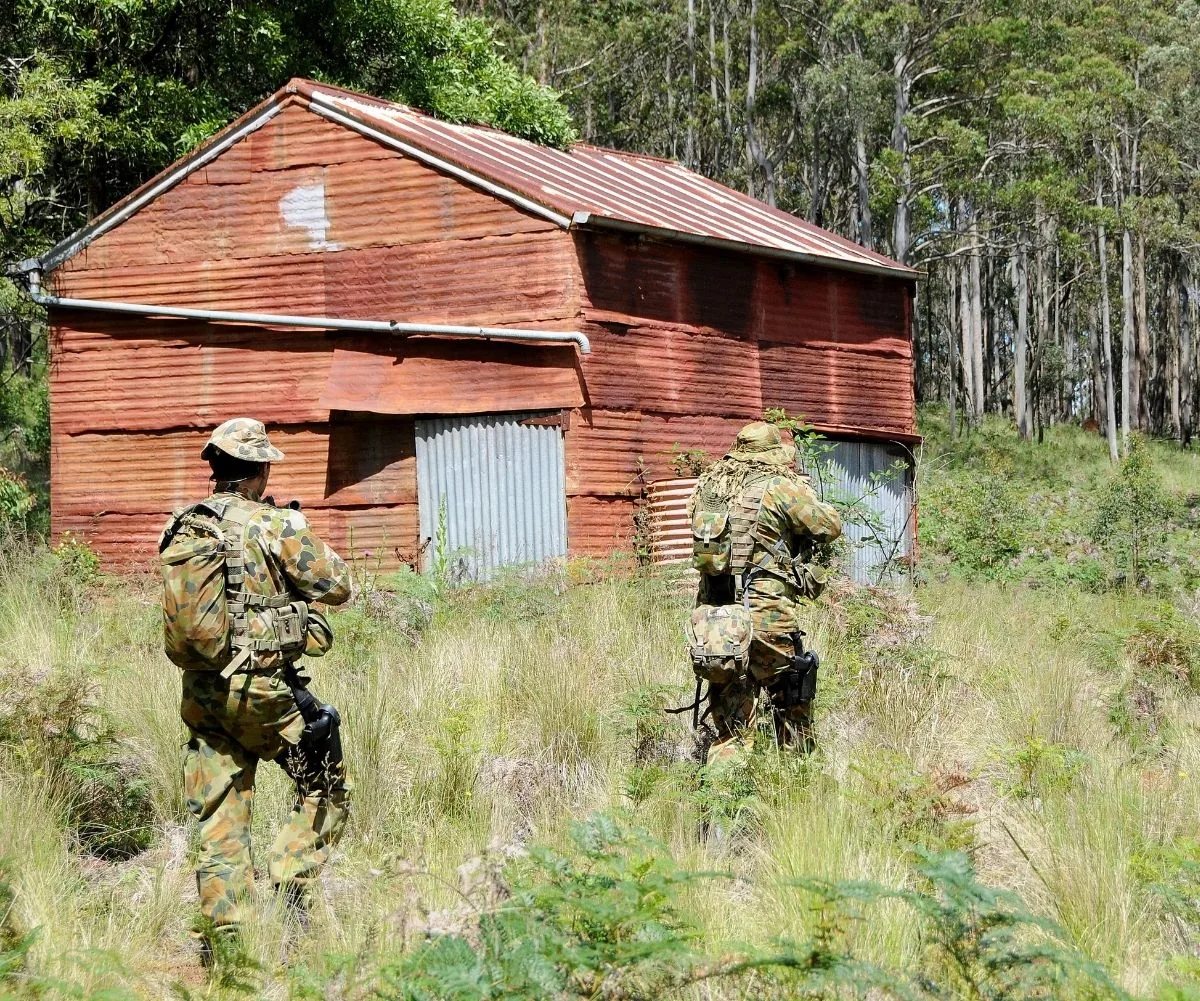
In 2011, Brad was part of a team of just three officers trudging through rugged bushland in the search for Australia’s most wanted fugitive, Malcolm Naden.
The evil double murderer gained almost mythical status during an extraordinary seven years on the run, hiding out in Western Plains Zoo and rural scrubland.
He struck terror into the hearts of local farmers and townsfolk who encountered the killer during his time on the run, mostly in the rugged bushland of the NSW Barrington Tops.
Twenty-four hours before that fateful day in 2011, Brad, two other officers and a police dog had found a cache of weapons and knew they were close to the biggest arrest of their careers.
However, they were far from excited about their find. With the enormous pressure on police to make an arrest, they were deeply concerned about the operation, how it was being run and whether they were being sent into danger without adequate support.
The following morning, the officers resumed their hunt.
Just before 7am, a loud crack broke the silence. Brad was shot in the shoulder by Naden after coming into the sights of his stolen .22 calibre rifle.
The “expert bushman” was just a few metres away from the policeman.
Naden later told homicide detectives that he had shot to kill Brad, but that the officer had turned at the last second after hearing something.


His sudden movement meant the bullet missed his head and struck him on the right side.
The turn saved Brad’s life.
But as this brave cop lay on the ground bleeding from the wound, a chain of events was already gathering momentum, which would see Brad sue the NSW police force for negligence and failing in its duty of care.
It would also take him to the edge of suicide after being diagnosed with post-traumatic stress disorder.
Brad says his superiors were keen to thrust him into the public spotlight, such as making him jump out of a helicopter at a State of Origin football match and promoting him as the man who survived being shot by Australia’s most wanted fugitive.
But he was very much a reluctant hero, grappling with significant psychological trauma following that early morning attempt on his life in bushland at Nowendoc.
Brad, now a 49-year-old father of two young boys aged 11 and seven, says the NSW police force was negligent in its duty of care when senior officers sent him and two others into thick scrub with inadequate manpower, training, communications and equipment to find and arrest Naden.
In a statement of claim Brad recently lodged in Newcastle District Court, it says his worsening mental state was ignored by an organisation desperate for positive press following Naden’s capture and arrest in March 2012 – more than four months after Brad was shot and seven long years since Naden became Australia’s most wanted man after fleeing Dubbo in 2005.
EXPENSIVE MANHUNT
Brad and other TOU members had been first called in to assist in Strike Force Durkin – the operation set up to hunt down Naden – after it was confirmed he was hiding in thick scrub and isolated huts throughout the rugged Barrington Tops.
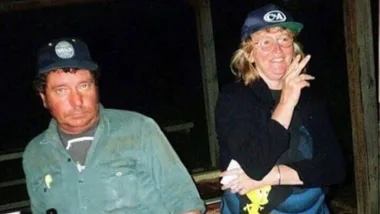
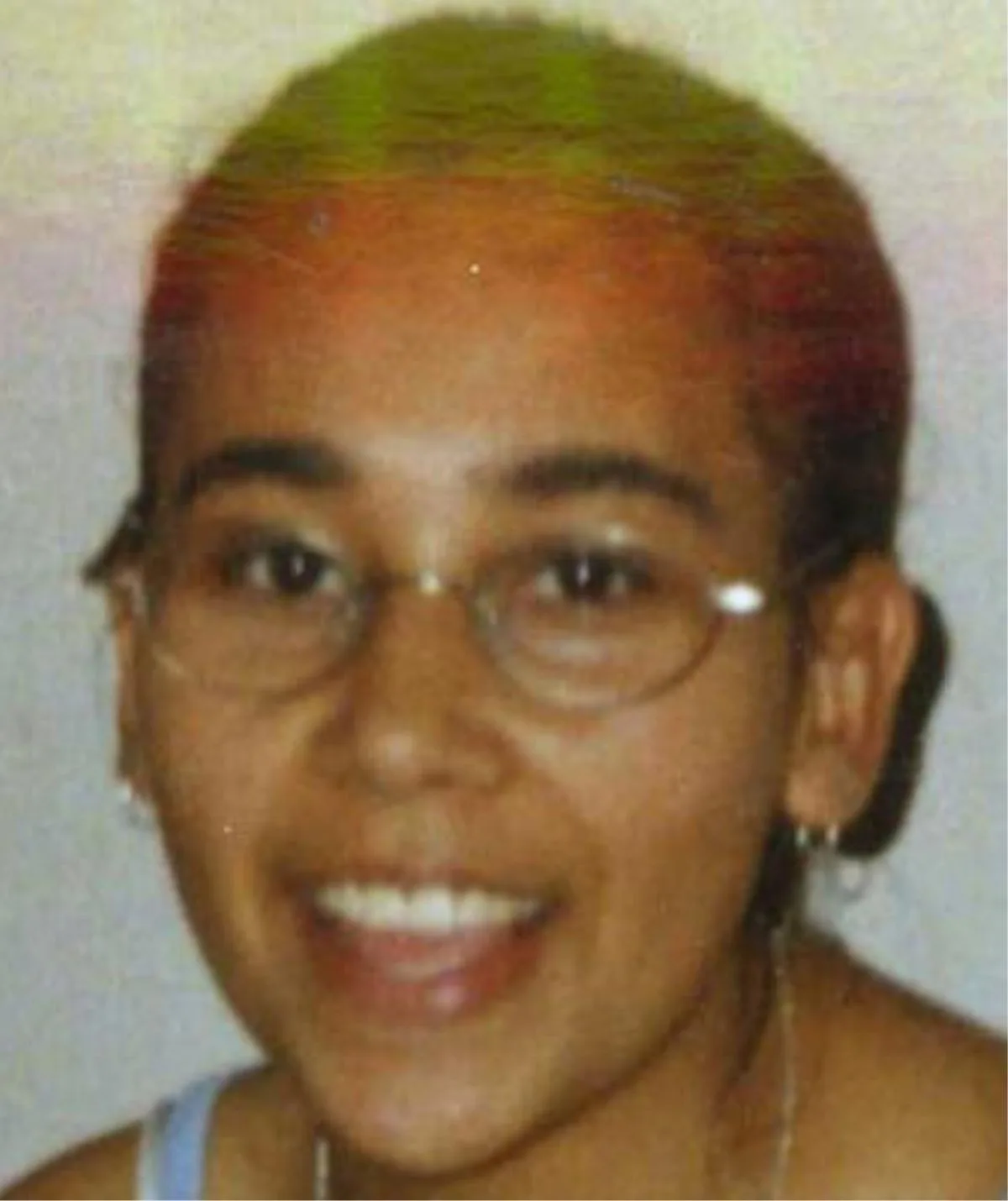
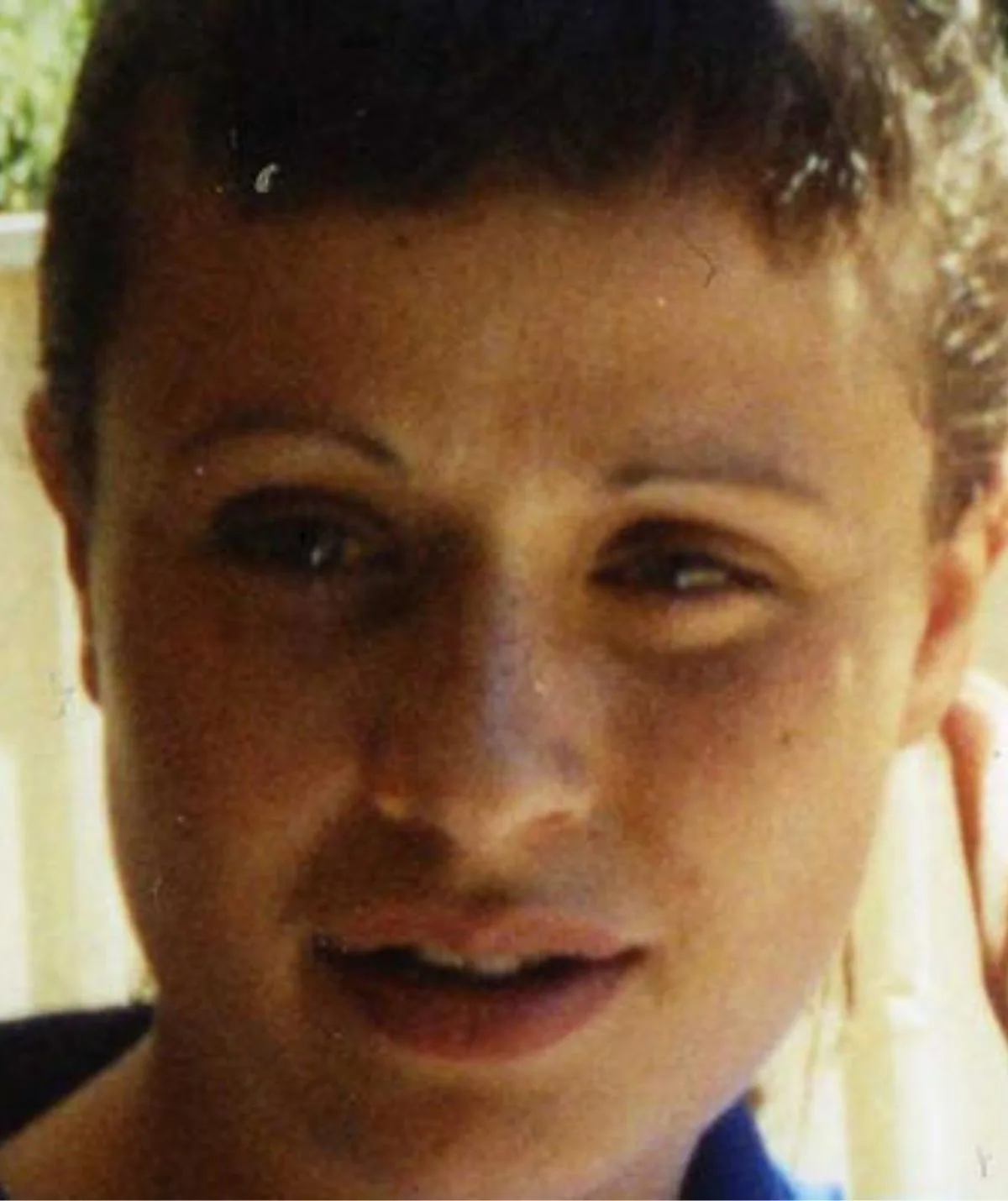
The former abattoir worker was the prime suspect in the deaths of two women – his cousin Lateesha Nolan and Kristy Scholes, the partner of another cousin.
The hunt, which was costing $330,000 a day at its height, was becoming more and more sophisticated and included secret transmitters being planted into clothing and camping gear strategically placed in huts and areas where Naden was known to frequent.
It was early on December 7, 2011 when Brad, a second member of the TOU and a member of the dog squad, along with a police dog, were sent out to search a specific part of bushland near Nowendoc.
The previous day, the team had found several high-powered weapons after being attracted to the area by the “pinging” of a tracking device, which had picked up the signals from a transmitter hidden inside a sleeping bag Naden had stolen.
But, according to the statement of claim, the possible imminent arrest of Naden was fraught with unreasonable danger.
First, Brad and his offsider had already complained to senior police that the threeman teams were too small.
The TOU team usually consisted of at least six officers.
They claimed only three members was too dangerous, as only the leader was free to use a high-powered rifle.
Brad was carrying his rifle but could not use it because he was lugging the large umbrella used to track the transmitter as well as the tracking device, which had only been previously used to locate and keep tabs on koalas.
The dog squad member only had a handgun.
Brad’s equipment also made noisy beeps as it tracked the signal, something the officers thought Naden would clearly be able to hear in the bush.
MIDDLE OF NOWHERE
The young officer had only been given a quick overview of how to use the equipment when he arrived in the area a couple of days beforehand.
It’s claimed he was told that the beeping would increase the closer they got to the transmitter.
The trio also complained about communication issues in the remote area, with mobile phones and even satellite equipment proving to be unreliable.
The statement of claim also states that senior police had changed the standing orders if a team was to find Naden.
Teams had originally been told to retreat, keep him under surveillance and call for back-up.
Instead, they were to go at him alone, despite knowing that he was armed and very clearly dangerous.
It meant that when Brad’s tracking equipment locked onto a strong signal in the gully where the cache of guns had been found, the team immediately started searching the bushland, knowing the sleeping bag, along with Naden, almost certainly had to be close by.
By this stage, all communications to senior officers at police headquarters failed to get through.
As the group continued into the thick undergrowth, they lost the signal on the tracking device, which had been designed to find koalas in trees and not armed fugitives on the ground.
At one point, Brad had to look down and make adjustments to his equipment, taking his eyes off the bush and lifting the antenna further into the air.
The three officers and their police dog remained close to each other as they forged on.
At 6.45am, Brad saw Naden’s camp site and alerted the other officers.
He was then shot by Naden.
The murderer was to later tell investigators he had tried to kill, something Brad only discovered when his police bosses forced him into a meeting with television documentary makers.
Naden escaped, and the men spent three hours in the bush before being rescued, but not before the police dog went berserk and attacked Brad – webbing on the officer’s torso had to be cut to remove the frenzied animal from him.
In April 2013, Brad was formally diagnosed as having post-traumatic stress disorder, and has been trying to regain his sanity and life for the sake of his two children ever since.
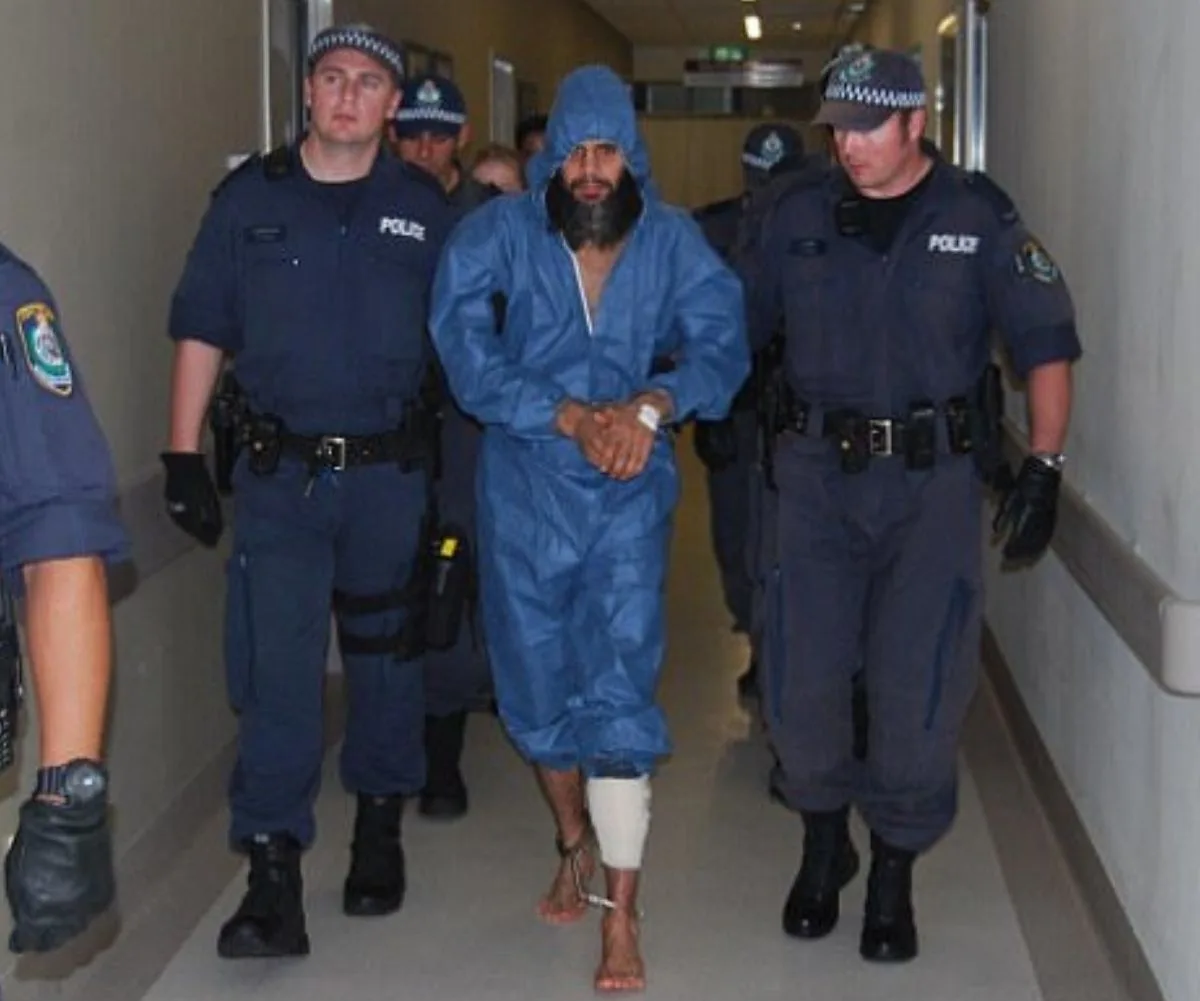
That same month, Naden pleaded guilty to 18 offences including the murders of Scholes – which he received a life sentence for – and Nolan, which he was given a minimum sentence of 21 years in prison.
Since his arrest, Naden has been imprisoned in the supermax unit of Goulburn Correctional Centre, where he is kept in an isolated cell.

