


Todd Russell, one of the two Beaconsfield mine collapse survivors, has passed away, aged 54, following a long battle with illness.
The sad news was announced by Tasmanian Premier Jeremy Rockliff on Tuesday morning.
“Vale Todd Russell. Thoughts this morning are with Todd’s loved ones and everyone who had the absolute pleasure of knowing him,” Mr Rockliff shared on social media.
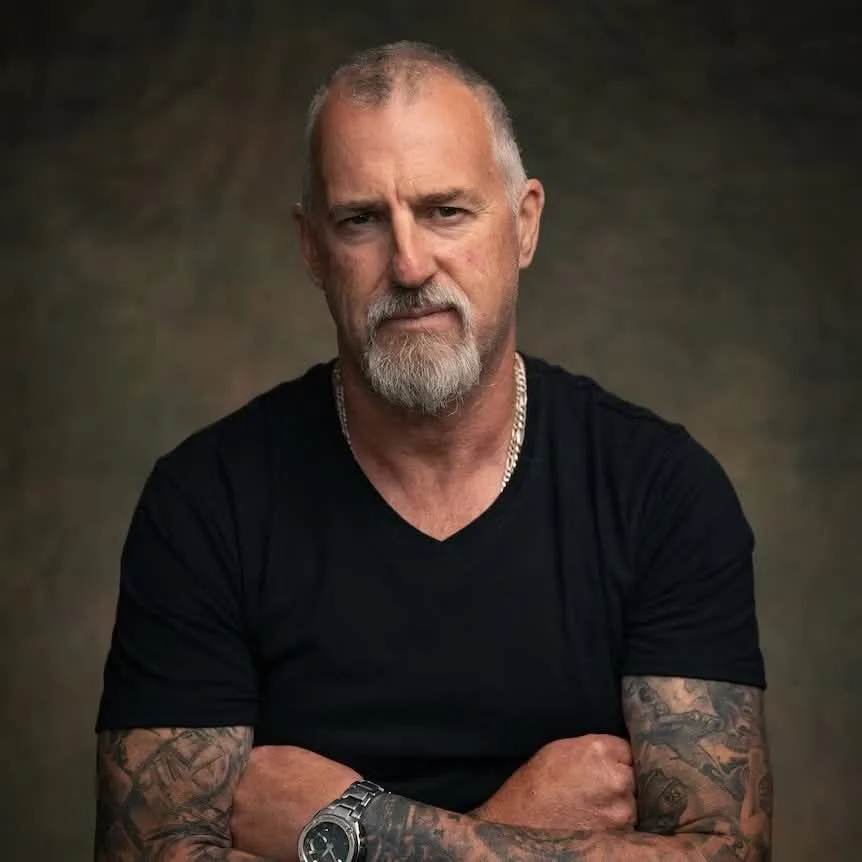
Last week, Russell shared on his social media that after eight months in hospital with an undisclosed illness, he had decided to spend his final days at home surrounded by family. Back in 2024, Russell shared on Facebook that he had received some “unfortunate health news” and in 2025, he revealed he had been spending more time in hospital.
Following the news of his passing, social media has been overflowing with tributes and condolences to the brave survivor.
“A true legend. RIP Todd, you’ll never be forgotten,” commented one user.
“Very sad to hear this news RIP Todd, condolences to the family,” wrote another.
OnApril 25, 2006, Russell and another mine worker named Brant Webb were trapped almost a kilometre underground following a small earthquake. Their co-worker, Larry Knight, 44, was found dead amongst the rubble but Russell and Webb were found alive inside the 1.4 meter square basket they were working within.
For almost a week they survived on a single muesli bar and water that seeped through the rocks. Then rescuers made contact and passed food and supplies down a narrow pipe. They were finally freed through a new tunnel on May 9.
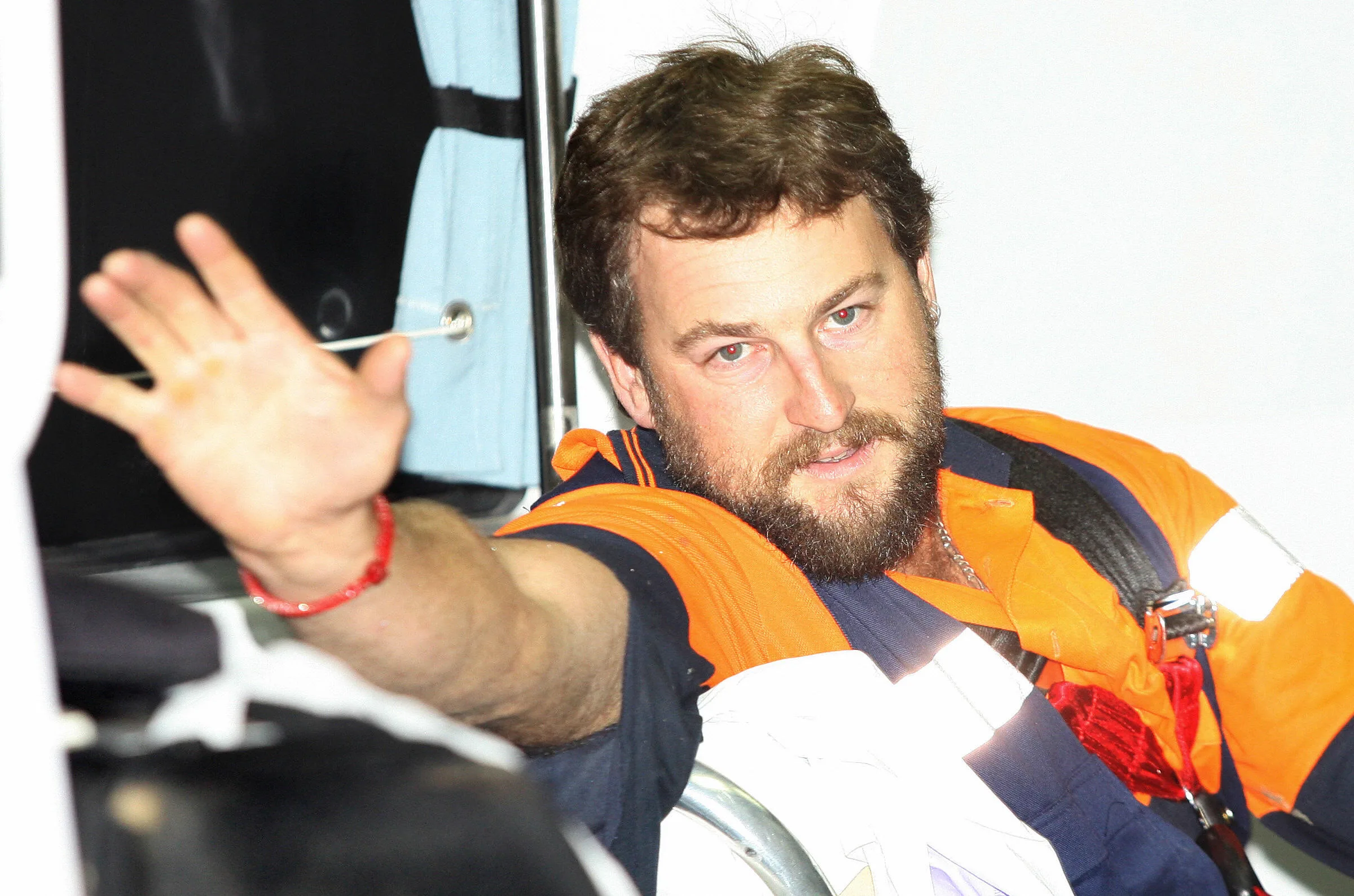
The news captivated the country, and the rest of the world who followed along with the daily efforts to free the men.

Their story was so powerful that even the Foo Fighters released a song in their honour in 2007 entitled ‘Ballad of the Beaconsfield Miners’, after hearing that Russell asked for Foo Fighters music to be on an iPod sent down to them while they were trapped.
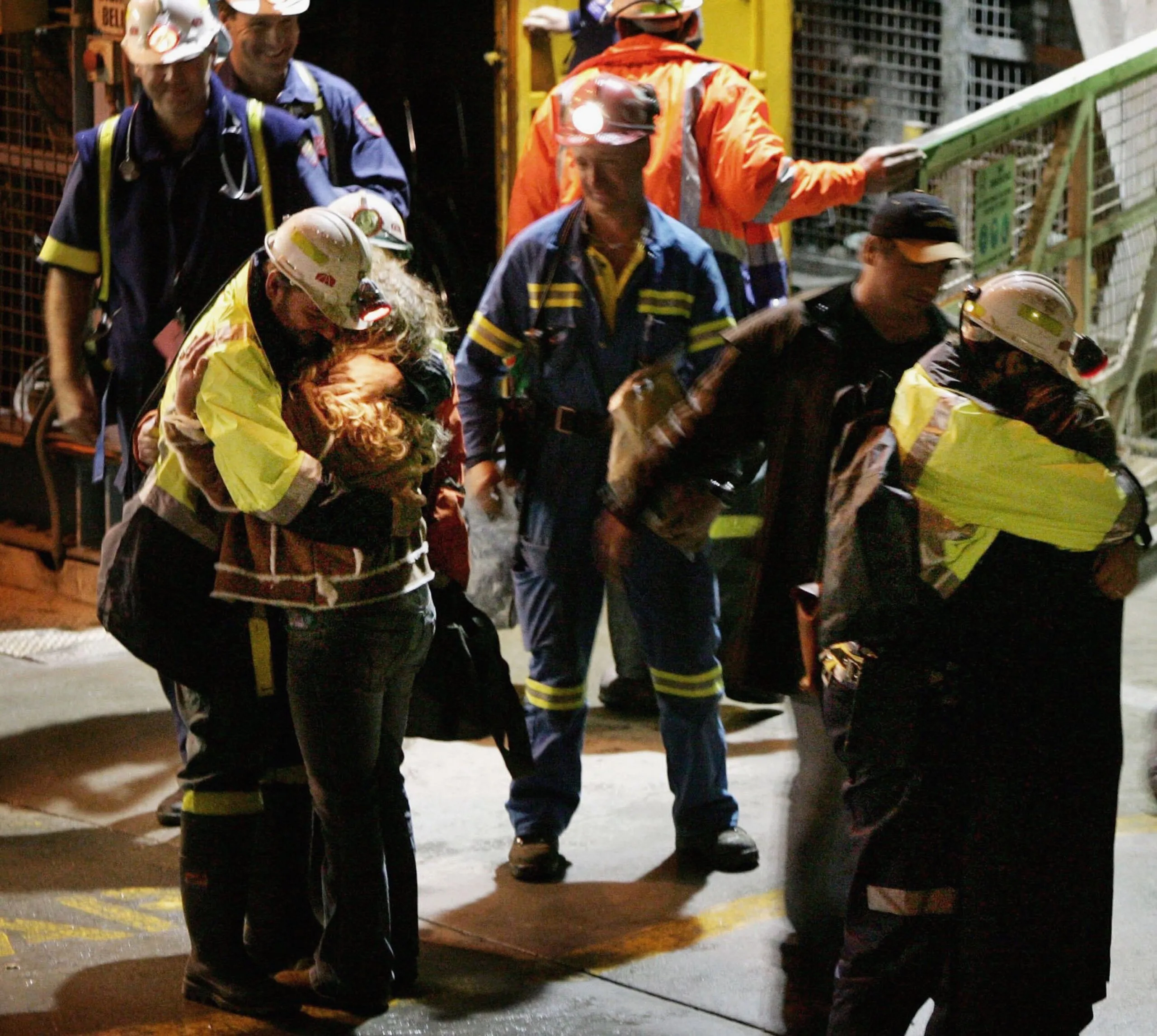
In 2024, Russell opened up about the trauma of being trapped within the mine on the ABC’s podcast I Was Actually There. He not only spoke about the terrifying reality of the experience, but what it was like being the focus of worldwide media in the aftermath.
“I hated it because you went to work as a normal person, and you come out of there with your identity lost. And people felt that they knew you because they’d been watching you for 14 days,” he said.
In the years that followed, Russell was open about his mental health struggles, helping to shine a light on the lasting toll of trauma long after the cameras had gone.

