





After years of experiencing all types of bullying, Hannah Swinnerton, 31, has risen above…
I jolted up in bed to the sound of my phone buzzing.
It was the early morning, and the call was from an unknown number.
“Hello?” I whispered.
“Go dig a hole and bury yourself in it!” a voice jeered as a crowd of laughter echoed in the background.
Then the line went dead.
It was yet another prank call from my peers at school.
Pulling the covers up, I cried myself to sleep.
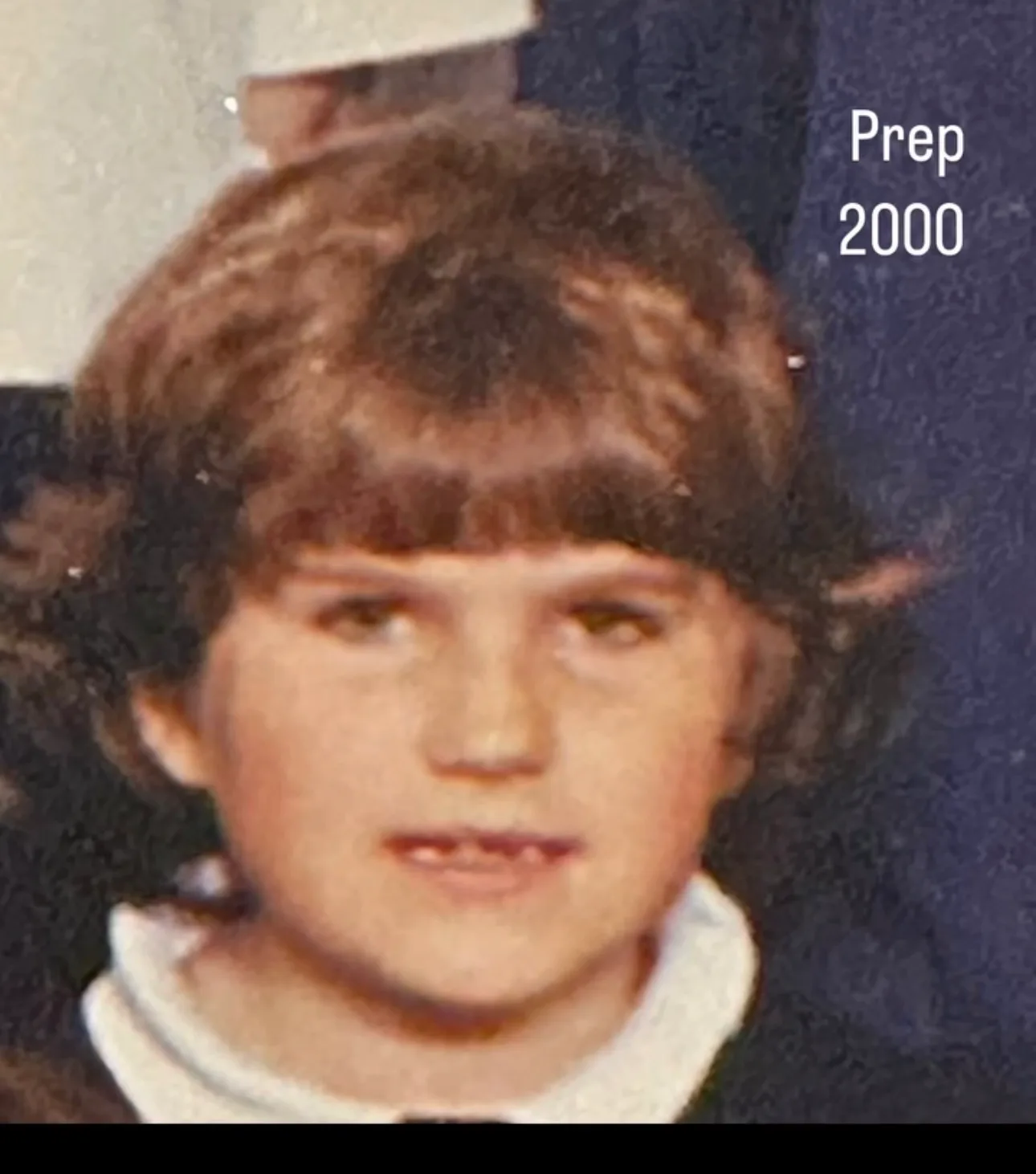
I was in Year 12, but the bullying had started when I was just six.
At school, kids would call me names.
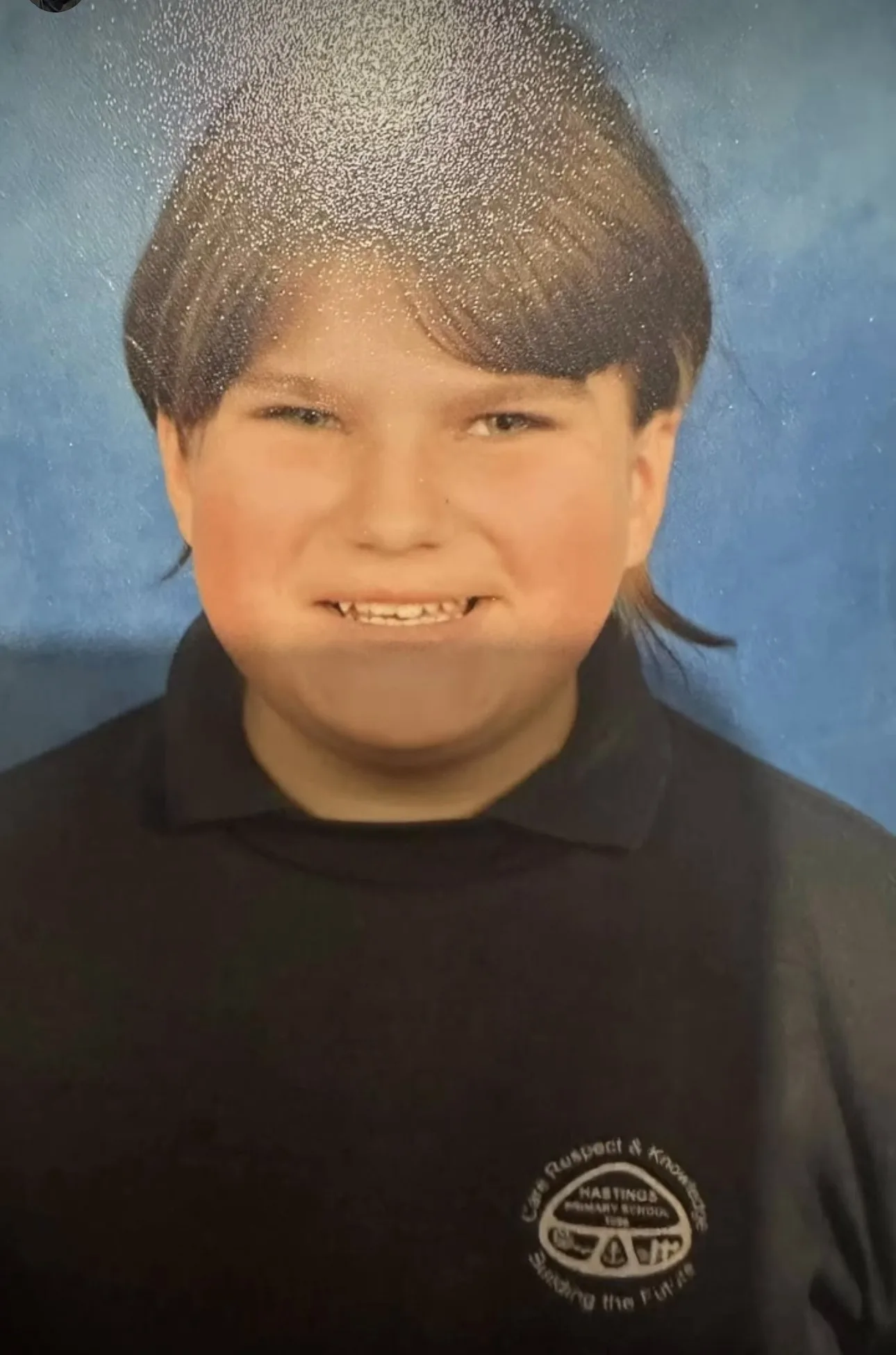
“Hippo!” one would yell from across the classroom as they all laughed.
“Fatty!” another wouldjoin in.
The heckling didn’t stop at my weight.
They called me ugly, stupid, worthless, and teased me for having an intellectual disability.
And it wasn’t just verbal abuse either.
Read more: 10 expert tips to prevent preschool bullying
Sometimes they used superglue to cement my locker door shut and squished old sandwiches in the combination lock.
Whenever I told my family, they encouraged me to keep my chin up.
“You are so much better than your bullies,” my mum, Wendy, would say.
But the consequences at school were never enough to deter the bullies.
I didn’t have any close friends to confide in, so instead of spending lunchtime outside with others, I hid by my locker.
The instant the school bell rang, I put my head down and quickly exited the school gates.
But no matter how fastI walked, I couldn’t escape the torment.
Living just a street over from school, my morning and afternoon walks were filled with peers yelling nasty comments at me.
“Go home,” they teased. “You’re useless!”
Even at homeI wasn’t safe.
My phone rang off the hook with prank calls, and online the bullying escalated.
In 2012, I opened Facebook to find an imageof myself had been photoshopped.
Someone had removedmy face and replaced it with that of a pig.
Hours later, the photo had been altered again, this time my face had been switched with the head of a cow.
My stomach churned.
I don’t think I can take this anymore, I thought in despair. That night, I broke down to Mum.
“I need help,” I sobbed. “I don’t want to hurt myself.”
“It’s going to be okay,” Mum soothed.
A few days later, she took me to see a doctor who diagnosed me with anxiety and major depression.
Rumours of my declining mental health began to spin around school, but the bullying only continued with my peers even encouraging self-harm.
Then one day in Year 12, a teacher informed us that tomorrow’s all-school assembly would have a focus on bullying.
Without hesitating I raised my hand.
“I would like to say something at it,” I said.
“Of course, Hannah. That would be great,” she smiled.
I stayed up all night writing my speech.
Next day, butterflies raced in my stomach as I stood up in front of 600 students, many who’d made the past decade a living hell for me.
“I might not be skinny, but that doesn’t mean people can call me names,” I said. “Because of you bullies, the thoughts that go through my head are that I’m useless and I don’t belong.”
When I finished my speech, I was still shaking.
Looking out, the silence was deafening.
After assembly, some of the people who’d bullied me for years came up to me in tears and apologised.
They had no idea the harm they were causing.
In that moment, I discovered I wasn’t a victim, I was a survivor, and that made me feel strong.
So, when I graduated, I knew I had to shed the victim label I’d wornfor years.
I was determined to prove my worth to the world and started posting on social media, providing education on the damage caused by bullying.
At 22, I saw an ad for the beauty pageant Face of Confidence Australia 2016.
Rather than looking fora fashion model, the competition focused on finding a strong community ambassador.
I had been teased for so long about my looks and weight, I knew I had to enter.
This is for all those bullies, I thought.
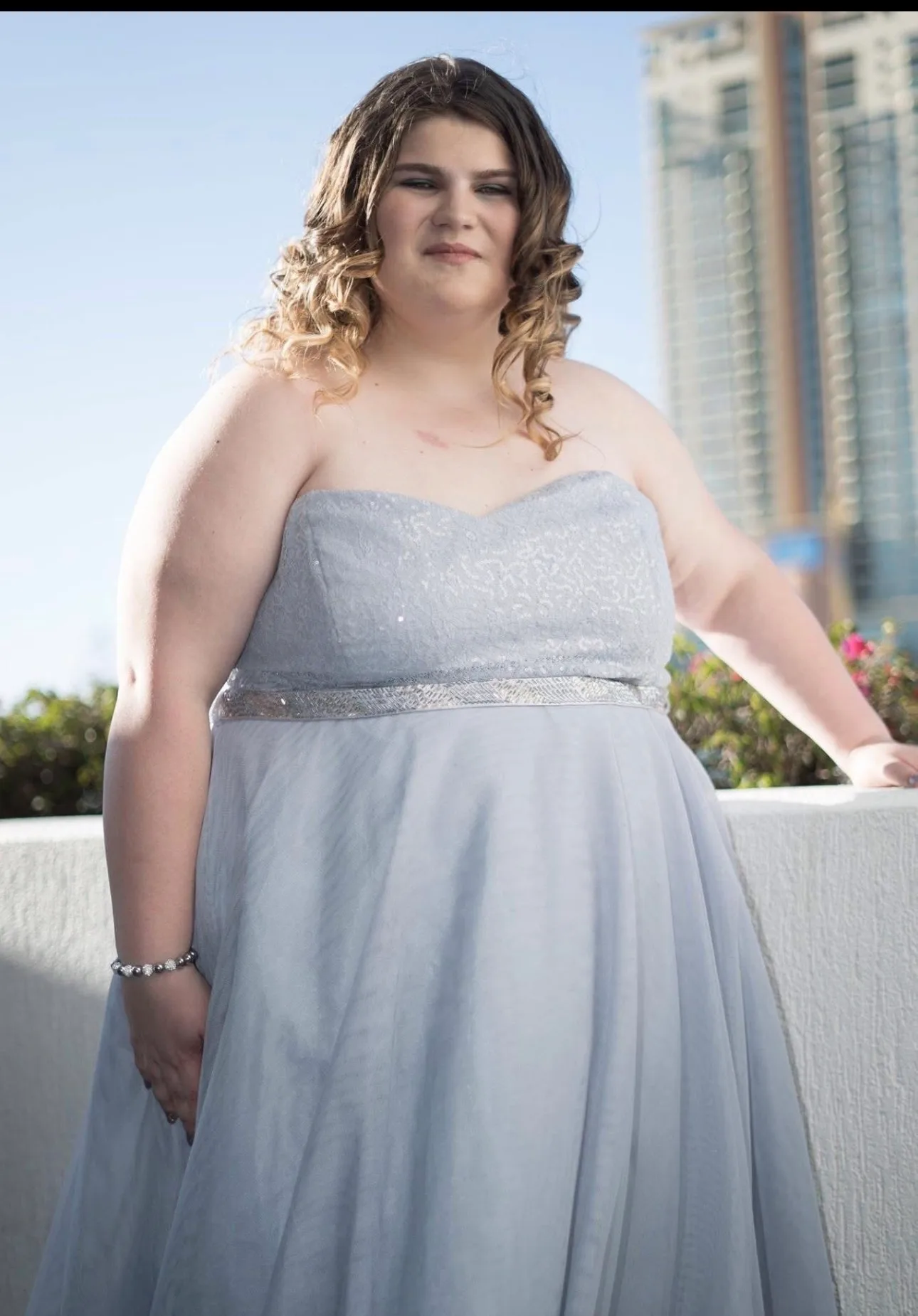
In October that year, I waltzed down the stage in a sparkling silver and white gown and twirled beneath the bright lights.
Waving to my family, who were cheering me on, I no longer felt like a victim.
When the judges called my name, I froze in shock.
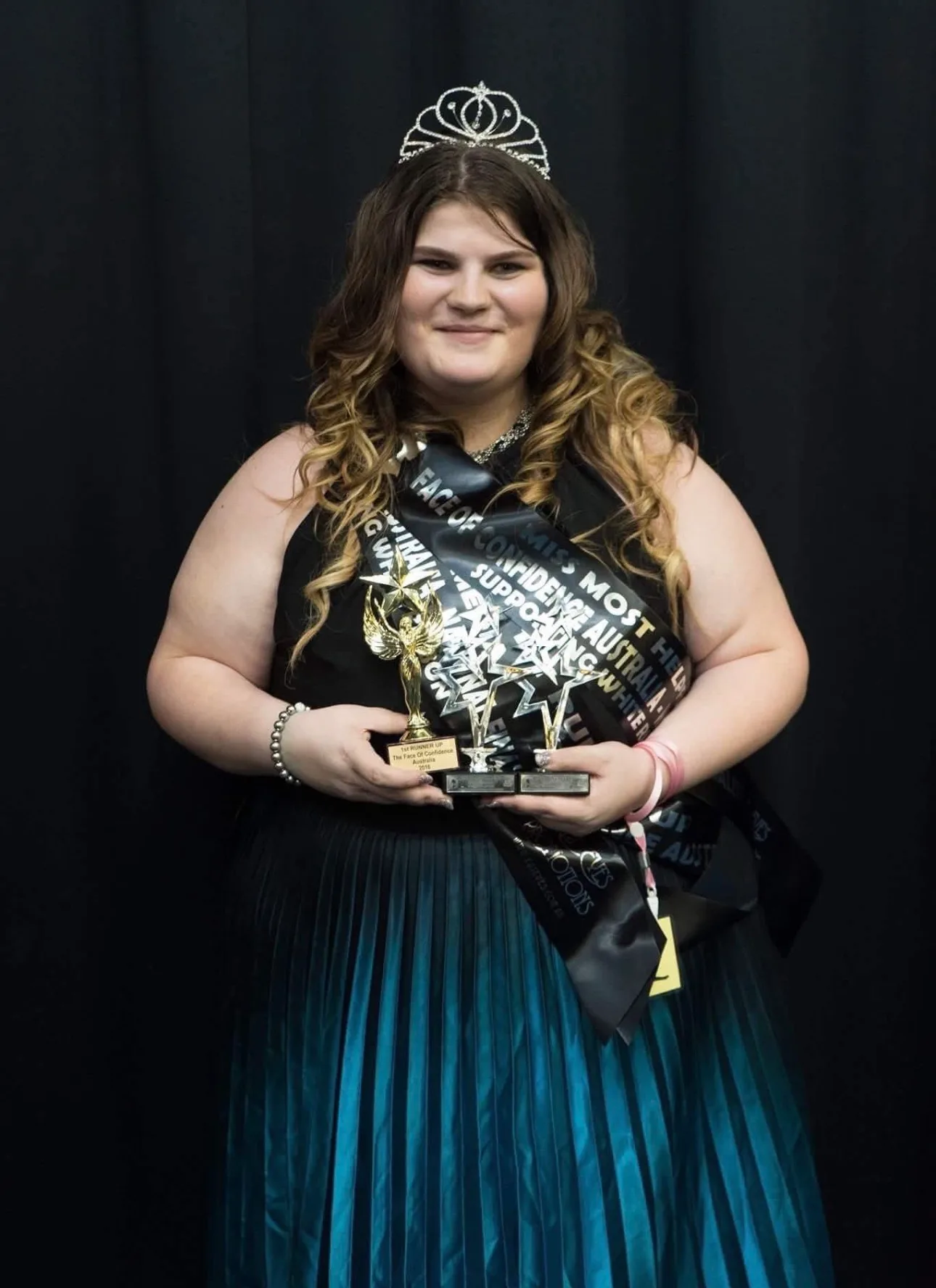
“And the runner-up is Hannah Swinnerton!” they announced, slipping a sash across my shoulders.
That crown gave me the encouragement I needed to keep preaching resilience.
“You can be anything you dream of,” I told my social media following.
After that, I entered more beauty pageants, and each time I stepped up on stage, I felt a little more of my old skin shedding.
Whenever my name was called for prizes, it wasn’t just about the sash, it was about proving each bully wrong.
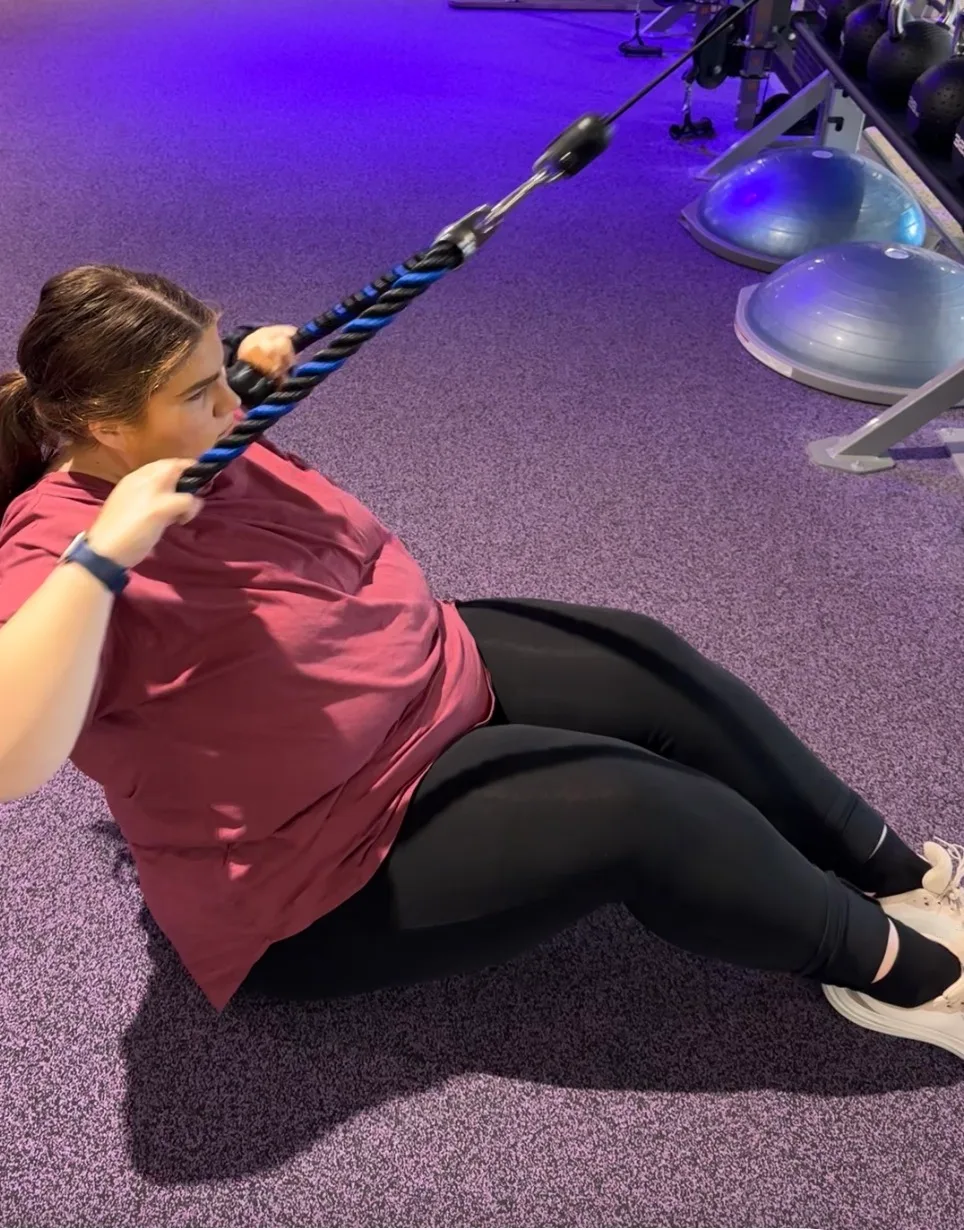
I joined a gym and began kicking goals, including conqueringa 70kg deadlift and a 65kg hip thrust!
So far I’ve lost 30kg andit’s inspired me to jump in the pool and train for the Special Olympics.
Now I host my own radio show and podcast – Inspired to Soar with Hannah.
I ask hard-hitting questions to politicians and community members about mental health.
At 31, I am so proud of what I have achieved.
No longer am I the girl who hid by her locker. I was born to change the world and I am finally, truly, thriving.

