



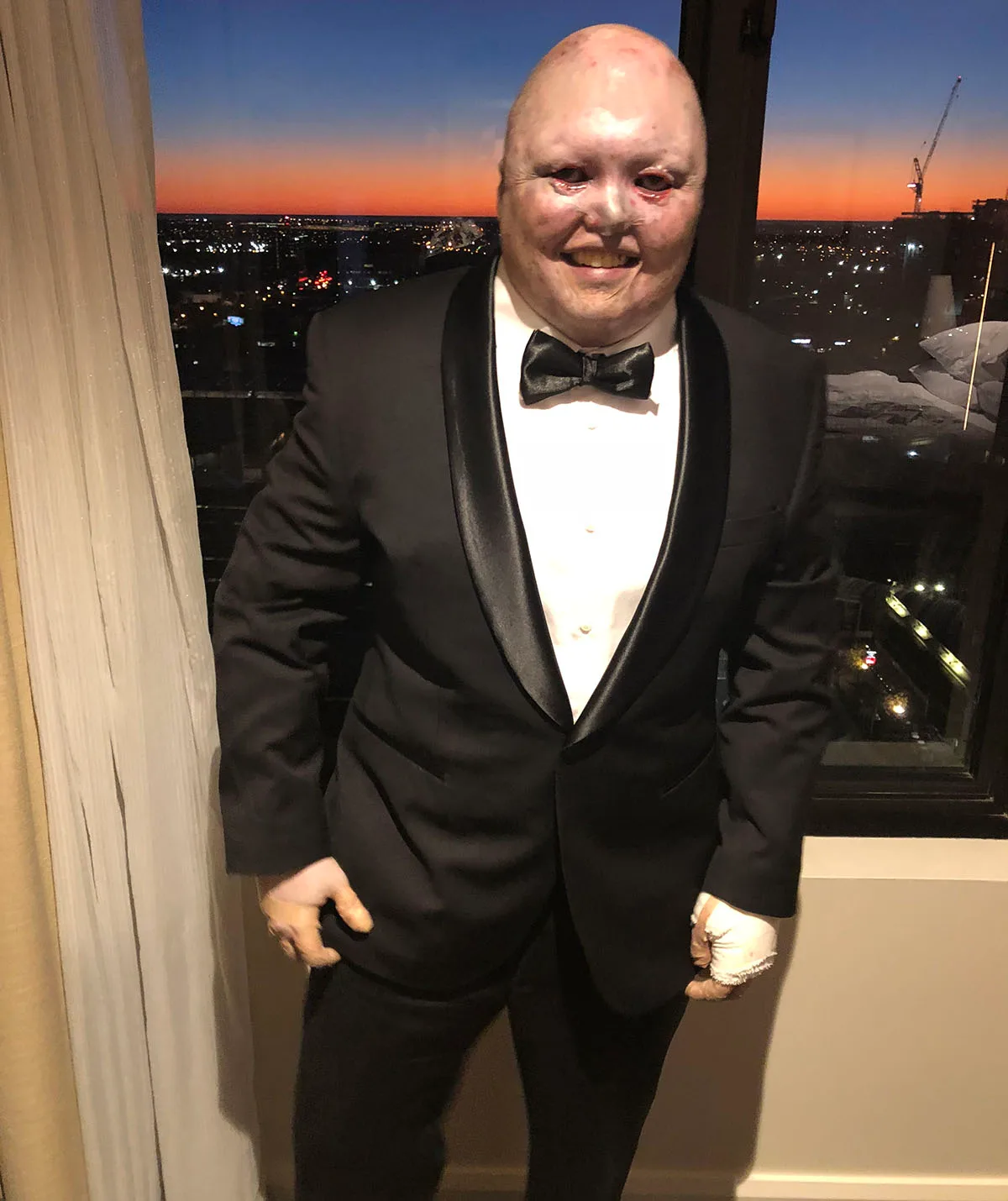
- Dean Clifford was born with epidermolysis bullosa, a rare skin condition, which meant he didn’t have the anchors to hold the layers of his skin together
- This creates wounds all over his body, which, even with regular dressing, leave him in constant pain.
- Rather than let his condition hold him back, Dean continues to defy expectations and live a rich life.
- Dean Clifford, 45, from Kingaroy, Qld shares his story…
Walking through the shops, I noticed a kid staring at me in fear. His mum grabbed her son’s hand and they hurried off in the other direction.
Being born with epidermolysis bullosa (EB), a rare skin condition, meant I didn’t have the anchors to hold the layers of my skin together, causing them to rub when I moved.
This created wounding all over my body which, even with regular dressing, left me in constant pain.
Read more: A rare condition meant I couldn’t hold my baby wthout blistering her skin
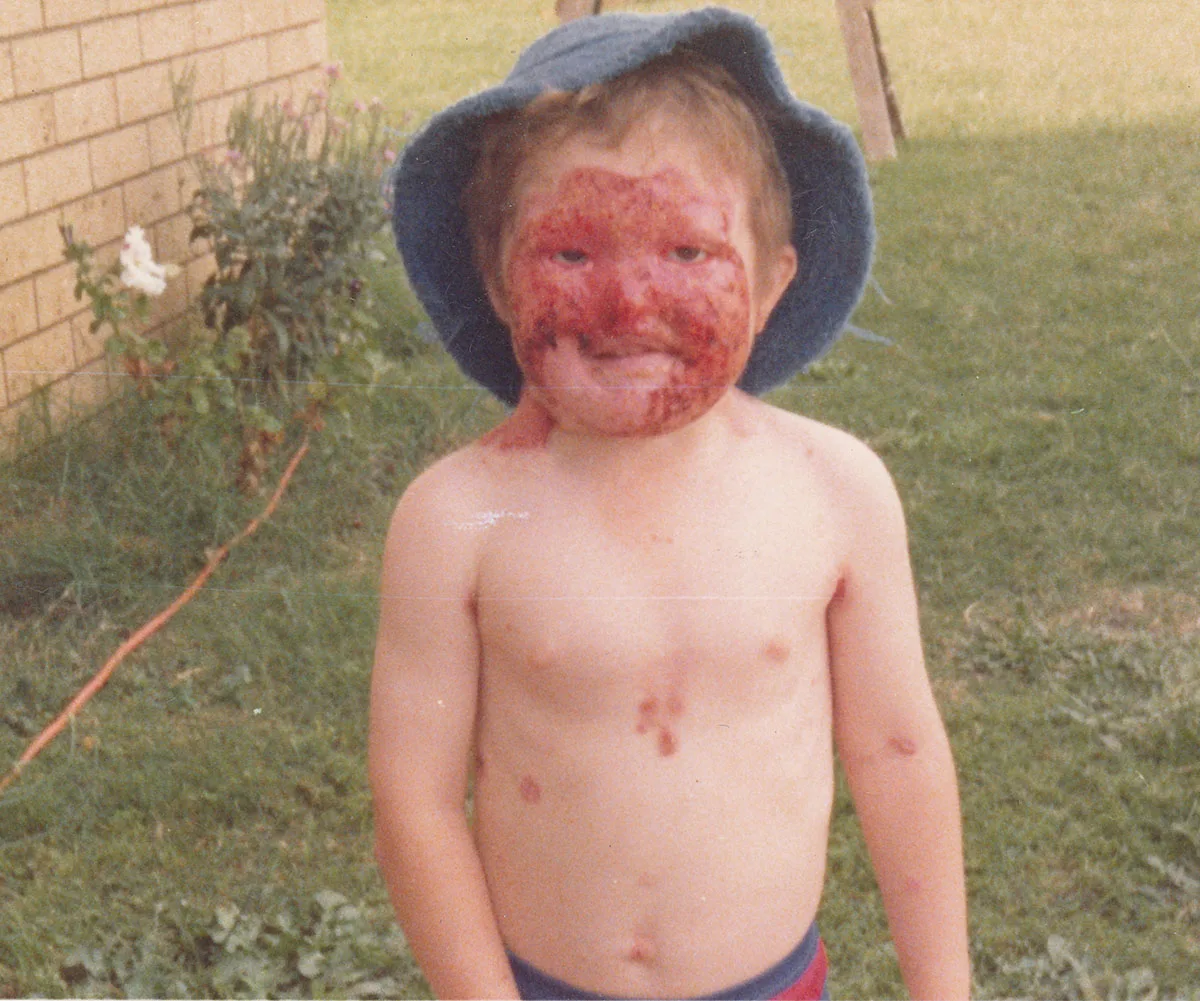
I often made trips to Brisbane with my mum, Jenny, for medical appointments.
Whenever we stopped in at the shops, scared reactions from strangers were common.
“You’re not going to live to be an adult,” doctors would tell me.
My blisters created a susceptibility to infection which reduced my life expectancy.
It was too much to comprehend as a child.
Back in my hometown of Kingaroy, Qld, the locals were more understanding.
“Dean, come up and explain your condition to the class,” my teachers would say at the beginning of each school year.
I had a safe space where people could hear my story before making assumptions.
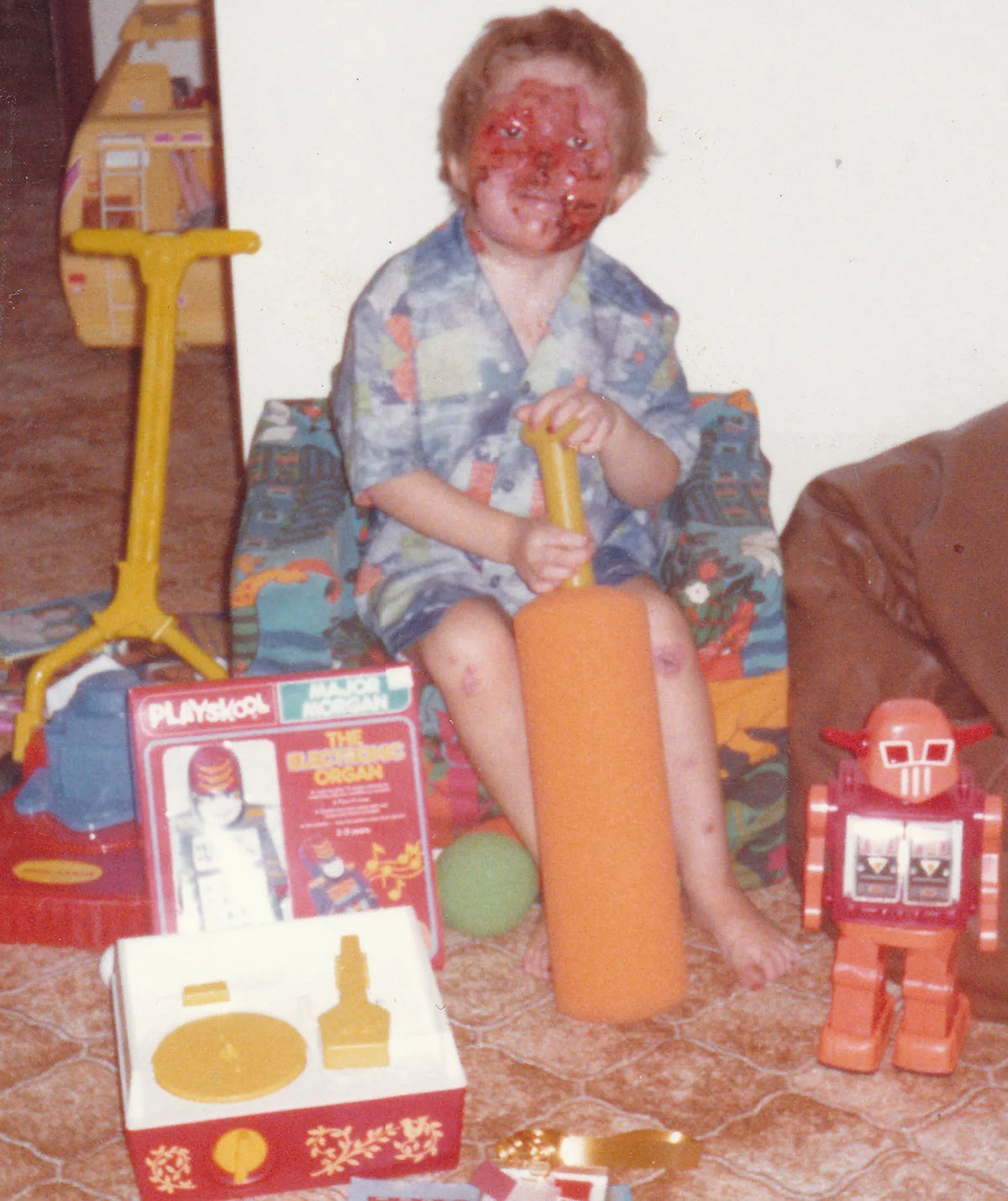
At home, watching NRL and cricket on the TV was a favourite pastime. I’d love to do that, I dreamt as I watched the sporting stars.
“You can give anything a go,” my parents would encourage me.
But my delicate skin meant I couldn’t endure long exposure to the sun or catching hard cricket balls.
“Let’s play indoor cricket!” my dad, Peter, suggested.
My dad found a spongy ball and we recruited my older sister, Jodie, for a lounge room test match.
My family helped me keep a positive mindset but when I was eight, my condition worsened.
The skin on my feet and legs deteriorated to such a painful extent that I had to use a wheelchair.
Every morning, my parents spent hours rubbing ointments on my skin and wrapping my blisters in bandages.
As a teenager, I began to grieve my situation. Even if I live into adulthood, I’ll always need Mum and Dad, I realised. I’ll never get a job or a degree.
Then, at age 19, a doctor said something I’d never heard. “Your health is really improving, Dean. You should have a normal life expectancy,” they said.
I felt my horizons broaden.
In early 2000, I received a letter from the Sydney Olympic Committee.
You have been selected as a torch bearer in the Olympic Torch Relay, the letter read.
I knew the relay was coming through Kingaroy, but I’d never considered myself a candidate.
A friend of mine was on the selection committee.
“You were the most nominated person in Kingaroy by far!” he told me later.
I was blown away.
It’d be so cool if I could walk it, I thought.
For six months, I practised on a treadmill to build up my leg strength.
Eventually, my muscles were up to the 650m walk, but my skin wasn’t. My feet would blister after about 300m and it became too painful to continue.
In June, the Olympic flame reached our town.
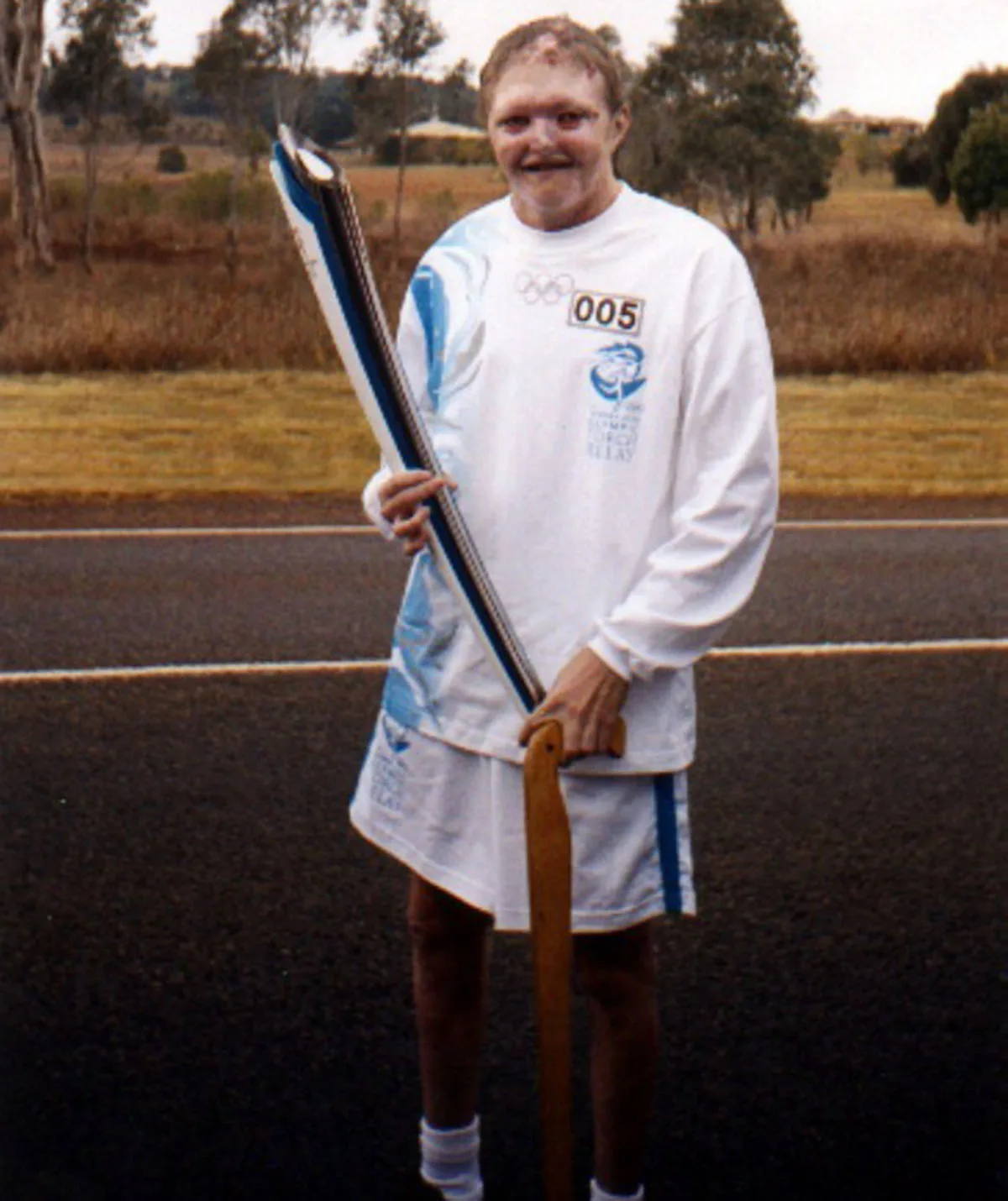
Even if it’s painful, I have to walk, I determined.
I was to receive the flame at the road out of Kingaroy. There, I was met by a large crowd of locals who cheered me on.
With walking stick in one hand and flaming torch in the other, I began the trek.
There was so much love and support that I walked the entire distance without feeling any pain!
Motivated by this, I moved to Brisbane the next year to live independently.
I applied for many jobs but was always met with silly rejections.
“You said you like NRL,” one employer told me after an interview. “But our staff like AFL, so you’d have nothing to talk to them about at lunch.”
I knew it was really about my appearance.
After a few months, I moved back home.
I’m never going to get my independence, I lamented.
In 2005, a mate of mine, Brad, who played for the Broncos, invited me to join him for a gym session.
Join 66,000+ readers who love our true, real-life stories. From shocking true crime to the most heartwarming moments, sign up for Take 5’s free weekly newsletter and never miss a story!
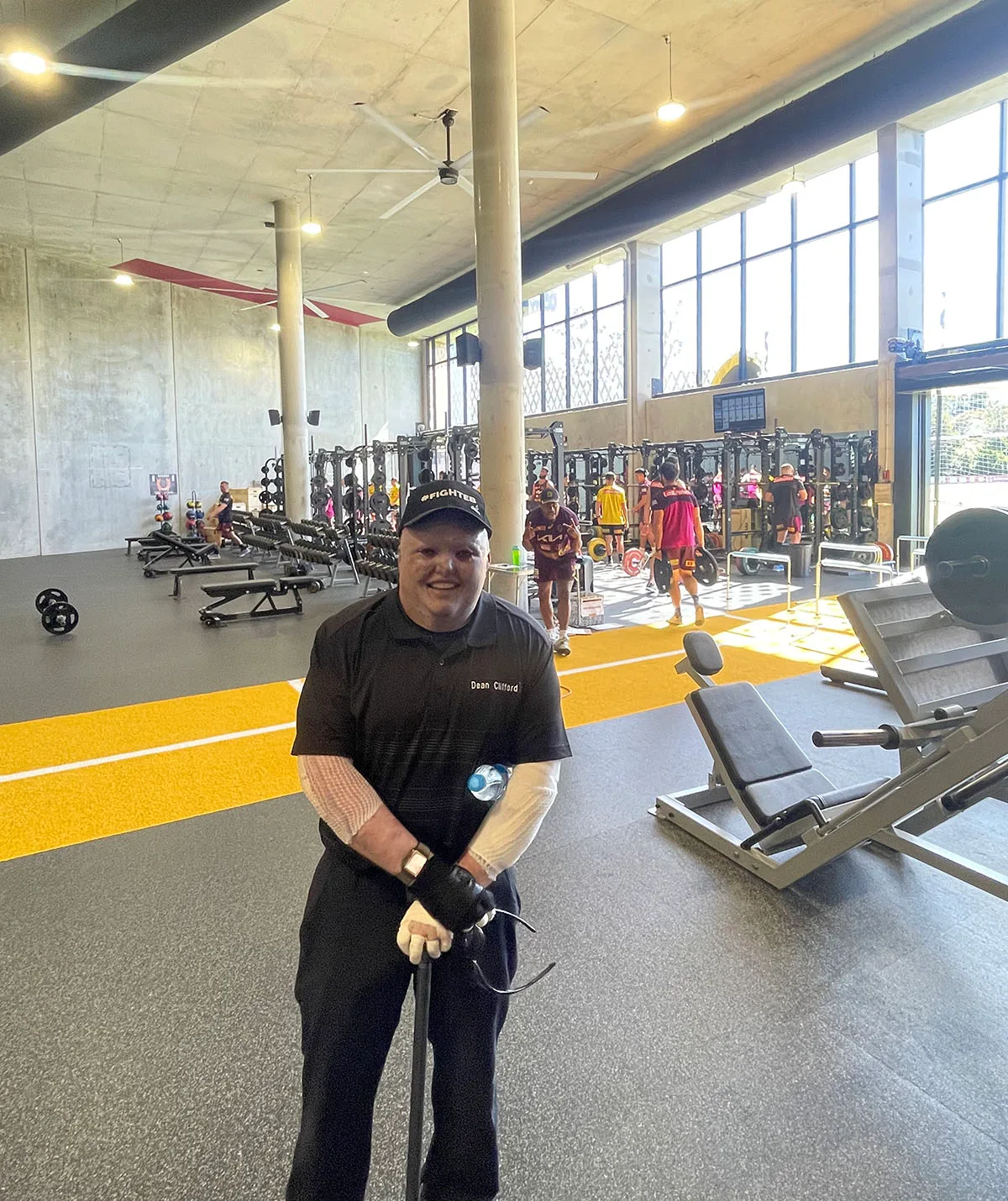
“I’ll make sure you don’t get hurt,” he assured me. “I want to see what you’re capable of lifting.”
I began on the bench press with no plates on the bar. It was simple enough, so he added some weights.
We continued this way for half an hour until I was bench pressing my own body weight!
“It usually takes people weeks of training to lift that much!” Brad exclaimed.
Years in my wheelchair must’ve given me a lot of upper-body strength.
Brad began me on a regular gym program which worked within what my skin could handle and in time I was lifting 150kg.
Of course, there’s a pain that comes with it, but I’ve become used to pushing through it, and a huge rush of endorphins always follows.
Every time I lift, I feel like I’m breaking the chains of my EB.
I’ve since created work for myself as a motivational speaker.
It started as a way to encourage kids at local schools experiencing bullying, but now I share my story with large conferences and corporations countrywide.
“Negativity is the only thing that will stop you chasing your dreams,” I tell my audiences.
Since the introduction of the NDIS, I’ve lived independently.
Every morning, nurses come around to help me through a five-hour process of cutting away dead skin and dressing and wrapping my body.
People see this as a big chunk of my day, but I choose to focus on the other 19 hours I have to live my life to the full.

Related stories
Native ad body.
Native ad body.
Native ad body.