






Neighbours icon Stefan Dennis does not agree with production company Fremantle’s plans to cut down particular storylines from the long-running soap and re-edit them into vertical microdramas for social media using AI.
Speaking to the Herald Sun, Dennis — who played lovable villain Paul Robinson from 1985 to 2025 — referred to the use of AI in the editing process of the existing series as “unbelievably invasive, morally and legally wrong.”
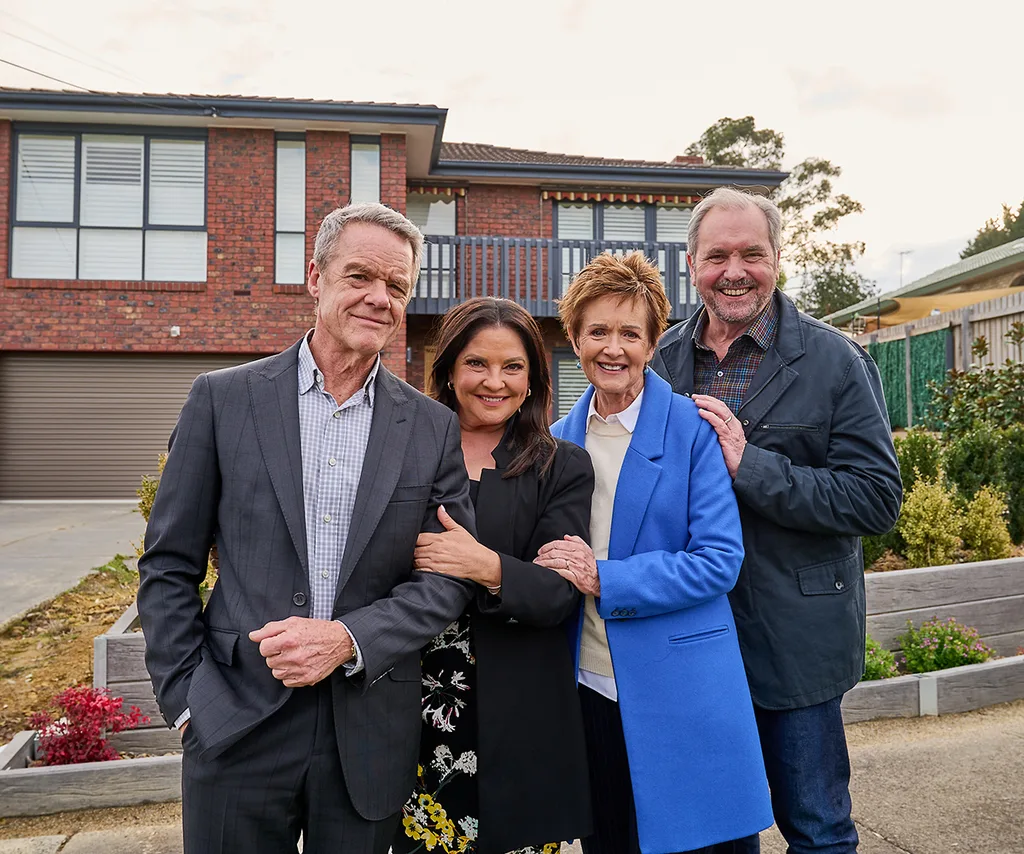
“Somehow it appears we can’t do anything about it,” he told the publication.
“I’ve got my agent [on it]. I imagine everyone else on Neighbours is doing the same thing, as well as the Media Entertainment & Arts Alliance (MEAA) and Australian Writers Guild. Whether they can stop it is another thing. We’re dealing with a very big machine.”
“A year ago, I made a prediction that in 10 years, the world of recorded media will be predominantly AI. Well, I’m taking that back because it won’t be 10 years,” he said. The avalanche is happening now, and it will swallow us all.
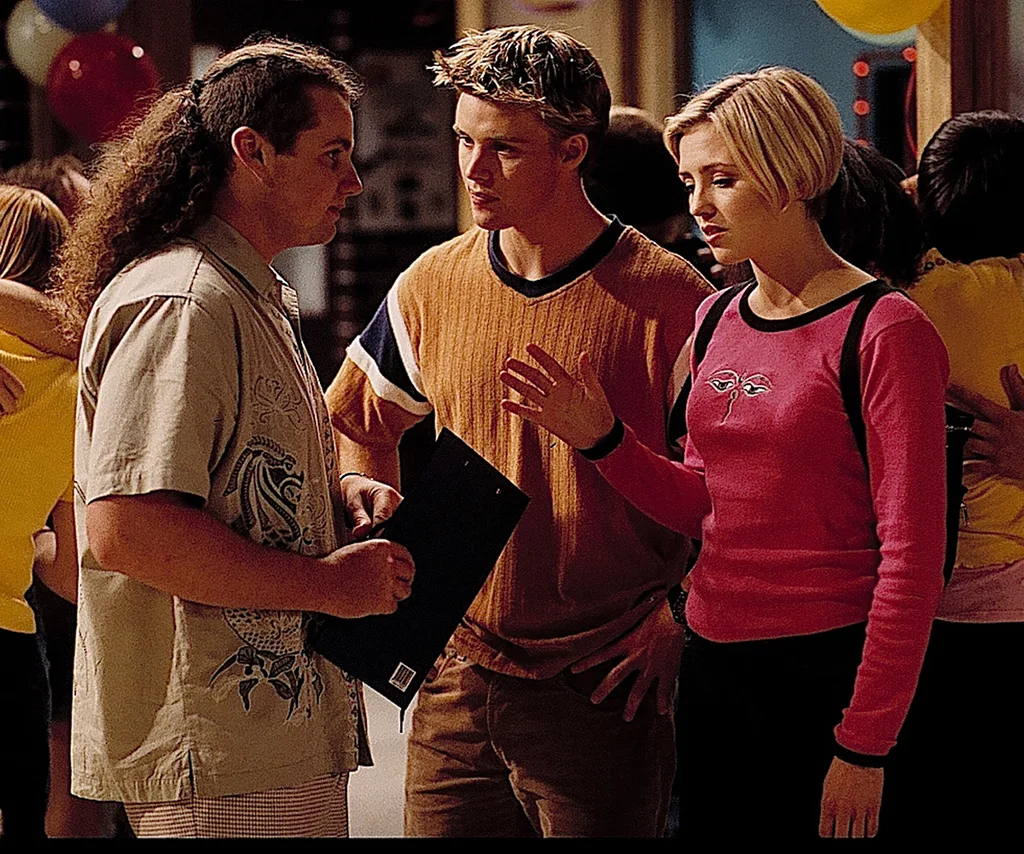
Earlier this week, Variety reported that a microdrama production house named RoseBerry Media would be partnering with Fremantle to edit down two storylines involving Margot Robbie’s Neighbours character Donna Freedman into multiple microdrama videos.
However, instead of using trained video editors, the production house will be using their own production workflow software called RedSnapper, which uses AI to create vertical content from the existing material.

The CEO of RoseBerry Media, Guy Hameiri, told Variety that he believed that Neighbours is an “iconic piece of television history” which would “thrive in the vertical format”. Meanwhile, CEO of Fremantle commerical and international Jens Richter stated that working with RoseBerry could breath new life into the beloved series.
“Working with RoseBerry allows us to explore incredible archive in an entirely new way, bringing much-loved IP to new audiences while demonstrating how established television libraries can continue to evolve, find new relevance and importantly create new commercial opportunities,” Jens told the publication.
“It’s an exciting example of how technology and creative thinking can unlock new value from our diverse catalogue and content library.”
As beloved archives become the next frontier for microdramas and vertical video, Neighbours has found itself at the centre of a much bigger conversation about who gets to rewrite television history and whether AI should be at the centre of the process rather than the creatives who made it in the first place.
As beloved archives become the next frontier for microdramas and vertical video, Neighbours has found itself at the centre of a much bigger conversation about who gets to rewrite television history — and what role AI should play alongside the creatives who made it in the first place.
To read more about microdramas, their origins and what that could mean for the future of shows like Neighbours, click HERE.

