





The hashtag #truecrime has been viewed 38.7 billion times on TikTok and the hunger for constant updates about both current and cold criminal cases has led to the rise of the “TikTok detective”.
But this phenomenon poses new and ongoing challenges for police in their investigations.
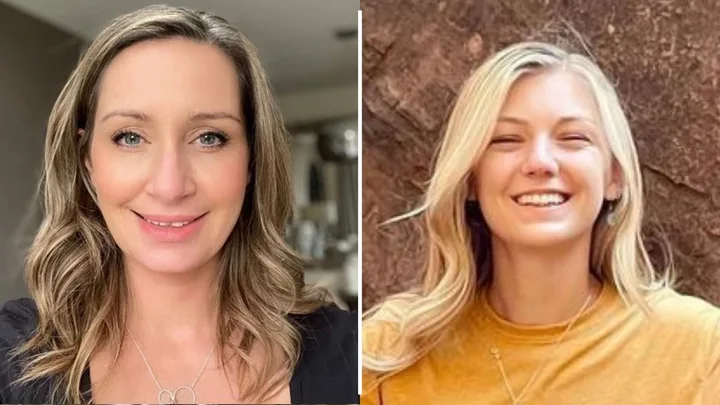
Interference by these social media sleuths became particularly apparent in January 2023 after the disappearance of 45-year-old mortgage adviser Nicola Bulley in the UK.

‘Wild’ online conspiracy theories
The body of the mother-of-two was eventually discovered three weeks later, and an inquest recently found she accidentally slipped into the water and drowned while out walking her dog.
But instead of letting the police do their job, online enthusiasts fed the public’s thirst for information in the days leading to the tragic discovery of Nicola’s body.
Wild TikTok conspiracy theories took hold, suggesting the case had been created as a “distraction” by the government and that Nicola’s friends and family could be “crisis actors” staging events.
Wannabe Nancy Drews travelled to the scene to dig up the area, and prominent TikToker Dan Duffy was arrested for a public order offence after saying he’d been in people’s back gardens at night hunting for information.
“In my 29 years of police service I’ve never seen anything like it,” lead detective superintendent Becky Smith said about the “false information, accusations and rumours” at the time.
Criminologist Justin Ellis says these would-be detectives cause problems in the name of entertaining their followers.
“The definition of sleuth is someone who conducts ‘careful investigation’ into a crime,” he tells Woman’s Day.
“But in these situations the TikTok ‘sleuths’ are not careful. Neither are they acting in the interest of the victims or their families. They don’t have their consent. They are willing to capitalise on others’ trauma and exacerbate the families’ pain.”
Cracking cases


The Seattle case of teenagers finding and filming their discovery of a dismembered body in a suitcase in 2020 is another example.
Viewed 30 million times on TikTok, the family of the victim fought for months to get the traumatic video removed, but it’s still available online.
Not only can TikTokers add to family trauma but Justin says that the badly sourced or plainly false information shared can divert scarce police resources away from the real investigation.
“It’s important for police to maximise public assistance and create public discussion [but] if tip lines are flooded with information or police are having to put out statements saying things aren’t true, it consumes resources unnecessarily,” he says.
While content creators think it’s easy to solve a crime, a case needs to stand up in court.
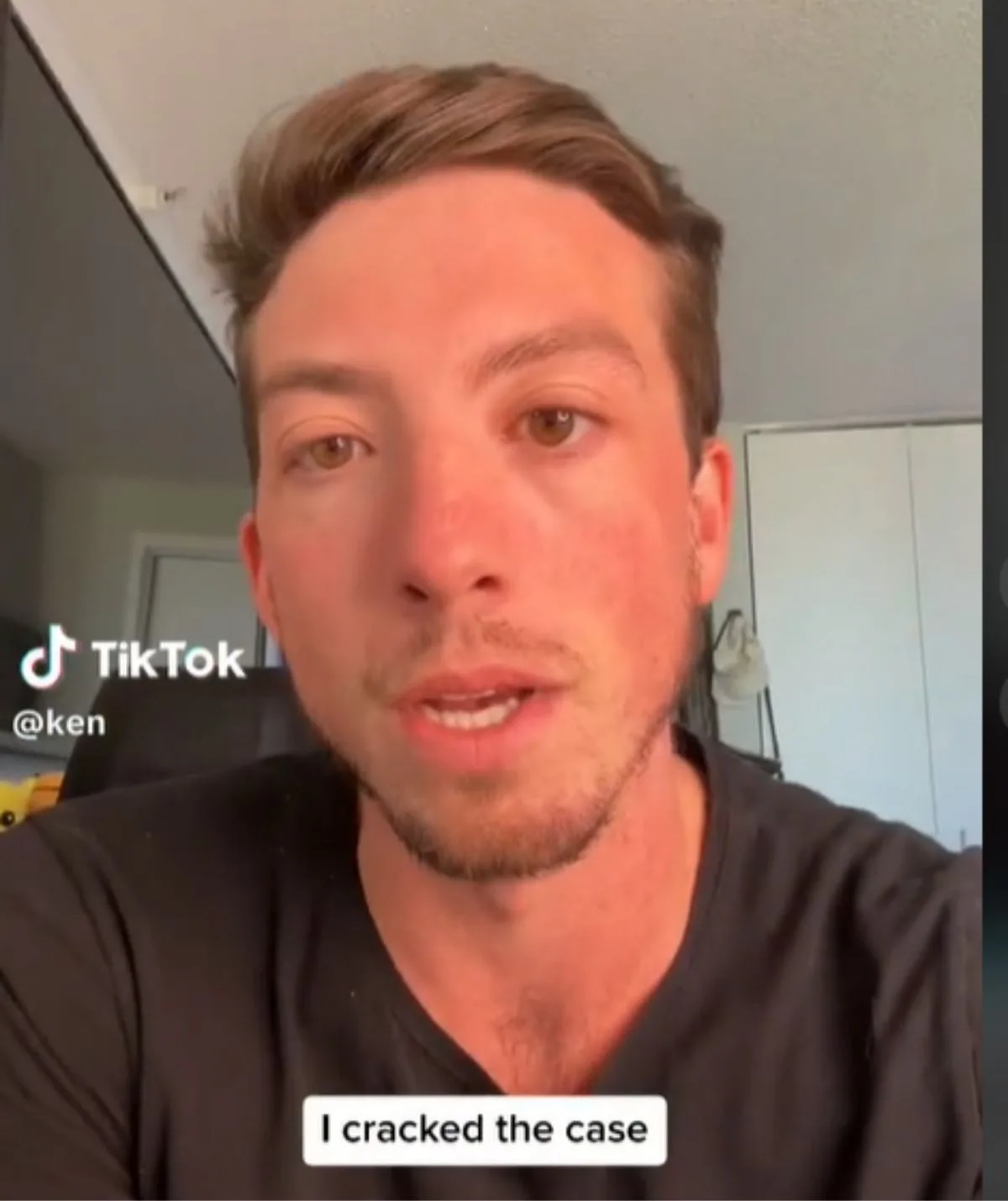
US TikToker Ken Waks quickly discovered this after claiming he had “cracked the case” of a serial killer.
His following swelled to more than a million people as he detailed what he believed to be the connected killings of multiple men who were dumped in rivers across the country.
While police pointed out there wasn’t consistent evidence to support foul play, viewers became suspicious when Ken started mentioning his start-up business in his posts.
He later recognised his mistake and apologised.
“[For TikTokers] the general principle of do no harm should apply,” says Justin.
“Check your sources, of which there should be more than one, and if you don’t have anything useful to say, don’t say it.”
SHARING CLUES
There have been rare cases where social media detectives have assisted police.
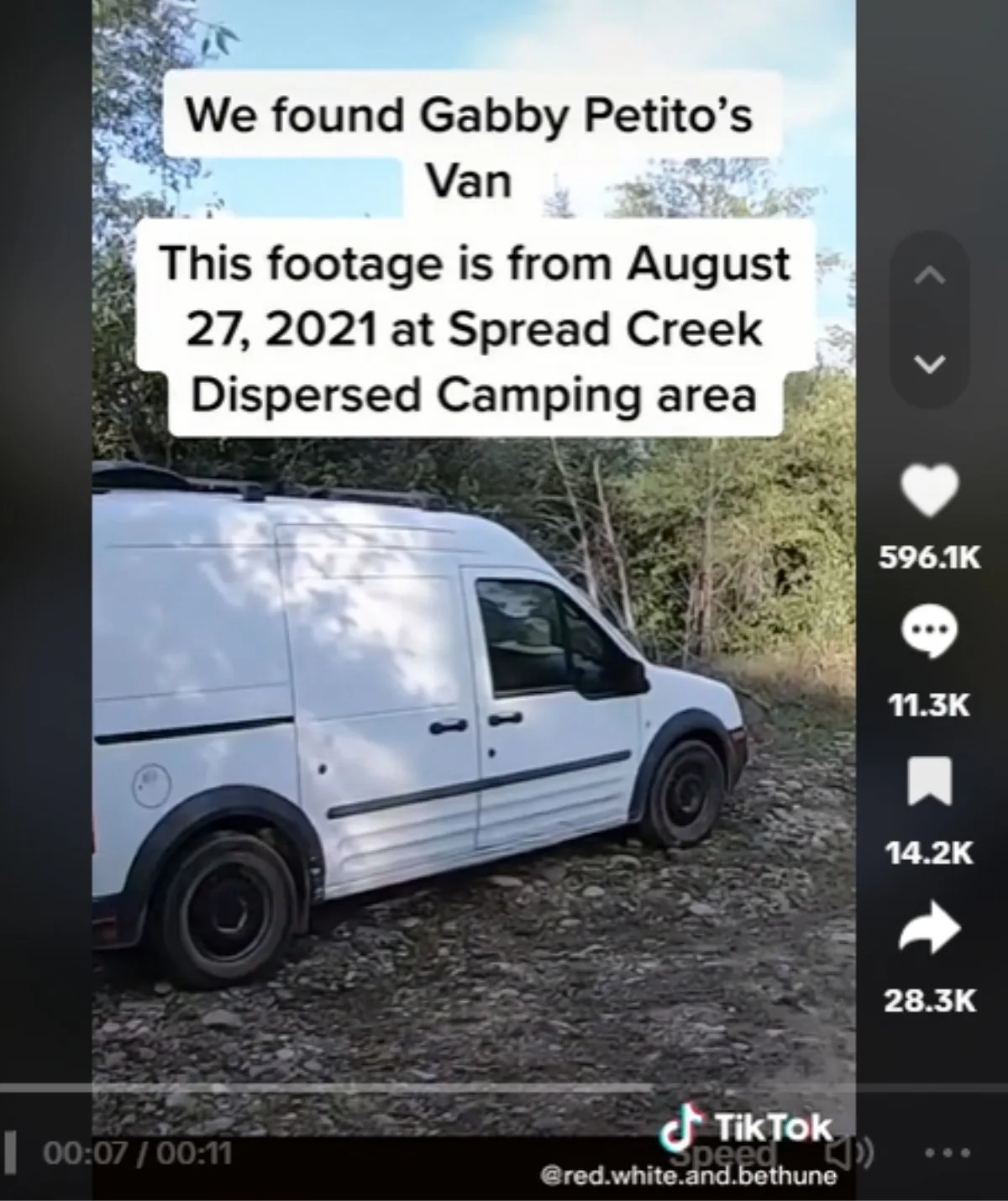
When 22-year-old Gabby Petito was murdered by her boyfriend Brian Laundrie on a van holiday in 2021, the online community rallied to help solve the case.
The #gabbypetito hashtag had more than half a billion views and amateur detectives shared tips, footage and theories.
A family on a road trip even claimed to have found Gabby and Brian’s van and posted a video on TikTok.
Tip-offs are thought to have provided clues about the timeline leading up to Gabby’s murder and her parents thanked supporters for their help when her body was found.
“Social media has been a real boon for police,” says Justin.
“Through it, they have a whole range of access to the public that they didn’t have before. The issue is just the mis- or disinformation.”


Share this post