





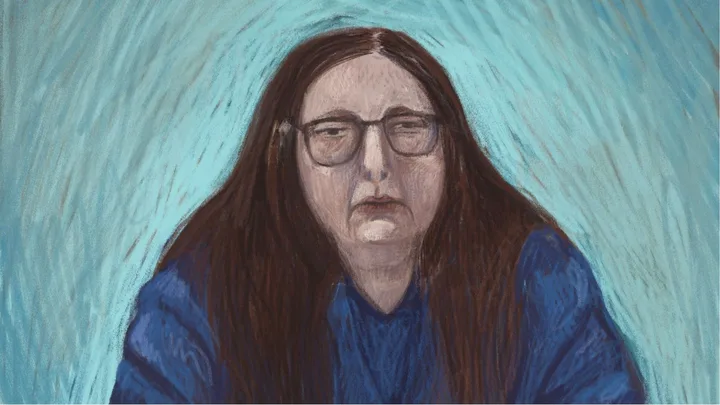
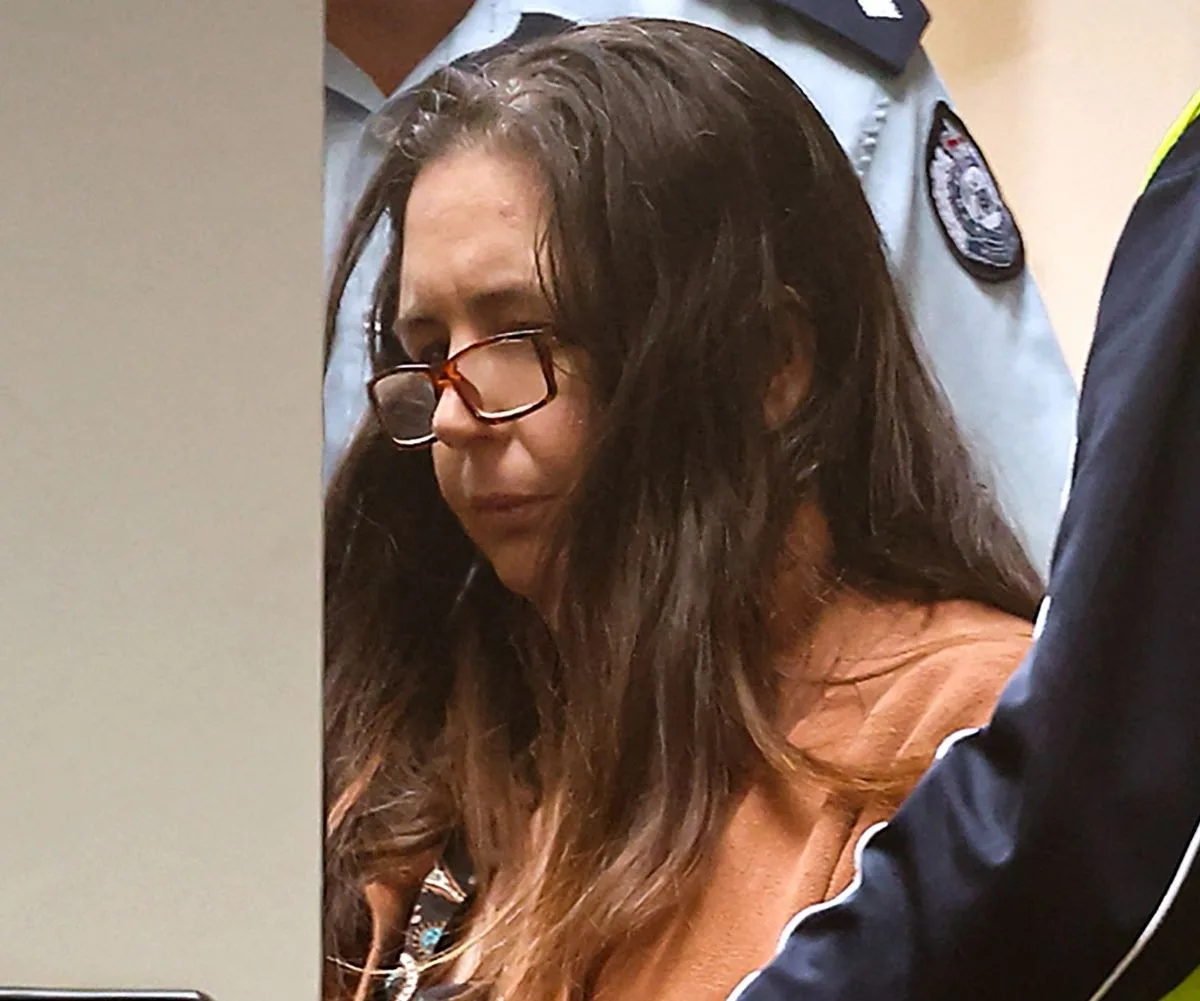
There are fears the mushroom murderer, Erin Patterson, could be freed from her high-security prison!
As she waits for the verdict of her appeal hearing, the convicted killer’s three life sentences could be in doubt thanks to some missing CCTV footage.
In Patterson’s trial in July last year, the jury were sequestered in the same hotel as the case’s lead investigator, two other members of the homicide squad, three Office of Public Prosecutions solicitors and a social worker involved in the trial and several journalists.
Now, the mushroom murderer’s legal team are hoping her convictions will be quashed and a new trial will be ordered thanks to this “colossal failure”, combined with missing CCTV footage from the hotel – despite cameras being placed in the lobby and on every floor.
However, director and principal solicitor of Robinson Law, Belinda Robinson, says the missing footage does not automatically prove the jury ever interacted with the other parties in the hotel.
“The deletion of potentially relevant CCTV does not automatically establish that there was improper contact, but it could become significant if the material might reasonably have shed light on whether the jury was exposed to any improper interaction,” Belinda told Woman’s Day.
“Ultimately, the Court of Appeal will need to consider whether the circumstances amounted to a substantial miscarriage of justice, rather than simply whether a procedural error occurred.”

FAR FROM IDEAL
During Patterson’s appeal hearings last month, the prosecution argued there was no evidence the jury were exposed to inappropriate contact during the trial held in Morwell, Victoria.
“The system worked as it was intended to work,” the Director of Public Prosecutions, Brendan Kissane told the court, also noting the jury was under contestant supervision.
“The evidence in this case is that there was no interaction between any other person and the jury.”
Kissane also told the court that concerns about the integrity of the jury sequestration were “informed by unattributed and unverified media reporting of unknown levels of hearsay”.
Belinda – who is not involved in the proceedings but has been following the appeal – agrees that the jury sequestration during Patterson’s trial was unusual and far from ideal.
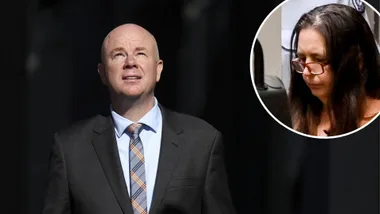
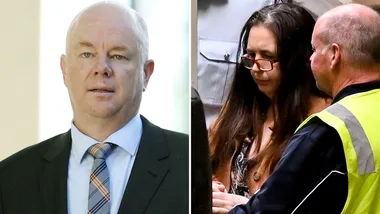
“It’s an extraordinary case, and the appeal raises some significant issues about trial fairness and the integrity of the jury process, particularly the circumstances surrounding the jury’s accommodation,” she told.
POTENTIAL PATH TO FREEDOM
Along with the jury accommodation, Patterson, 51, is also appealing her three life sentences and 33-year-non-parole period on the grounds that evidence collected from her Leongatha home should not have been included as trial evidence.
An SD card with several photos of mushrooms taken in April and May 2020 were initially not included by Justice Christopher Beale during the trial, but he introduced them as evidence a few days later. Patterson’s legal team have also raised concerns about Patterson being kept in protective custody.
The prosecution argued that Patterson should remain in protective custody for her own safety, and told the court she has access to a library, exercise equipment, a recreation centre – and still has regular contact with her children.
Kissane also argued that Patterson’s original sentence was too lenient, and made a case that Patterson should never be eligible for parole.
If the Court of Appeal rules in Patterson’s favour, her convictions may be overturned – and her case may be tried again.
“A retrial would be a fresh trial before a new jury, but it would not necessarily be identical to the first one,” Belinda explained.
“Evidence that is admissible could generally be relied upon again, but the parties may make different forensic decisions, and the court could rule differently on particular evidentiary or procedural issues.”
A retrial also makes it possible for Patterson to be found not guilty, which would see her released from Dame Phyllis Frost Centre. Patterson has always maintained her innocence.
Alternatively, a fresh trial could also produce a more lenient sentence for the mushroom murder.
“Whether a not guilty verdict is likely is impossible to predict for certain,” Belinda said. “The prosecution would still have to prove the charges beyond reasonable doubt.”

