





If you’ve noticed your hair giving you grief as you get older, you’re not alone.
“The shifts during peri- and menopause are pretty significant, and they affect almost every aspect of how hair behaves,” says Scott Sloan, owner and director of award-winning Sydney salon Sloans.
“Texture is usually the first thing clients notice – hair that was smooth can become coarser, or it can go the other way and become finer and more fragile,” he shares.
“Density changes too, with thinning particularly around the hairline and crown, which can be confronting for clients who’ve always had thick hair.”
Day-to-day, this can show up as dryness, a lack of natural shine, persistent frizz, breakage and slower growth.
But the good news is, these changes are completely manageable.
What to avoid during menopause
According to Scott, overwashing our hair is a common misstep when it comes to taking care of your mane during menopause.
“This strips natural oils when hair’s already drier, so swap to washing every second or third day – and a good dry shampoo between washes is a game-changer,” he recommends.
“Heat misuse is another big one. Daily straighteners or curling tools on high heat are damaging at any age, but fragile hair just can’t take it, so lower your heat settings – and always use a heat protectant.”
Noted!
How to look after hair in menopause
First up, a great cut makes all the difference.
“A well-maintained cut that suits your current hair texture and density will always look better and show your hair in its best light,” says Scott.
“Speak to your stylist to determine the most flattering and suitable look for you.”
In terms of ongoing maintenance, he adds, “Wash hair two to three times a week – max. Natural oils need time to nourish your hair and scalp, so use dry shampoo or a water-only rinse between washes if needed.
And as for the best shampoo for menopausal hair?
“Use a hydrating, sulphate-free shampoo like Kérastase Genesis Fortifying Shampoo, and always follow with a rich conditioner.”
Add a weekly argan oil, keratin, or bond-building treatment to your routine, and don’t skip regular trims, Scott adds. No, trimming your hair won’t make it grow faster (that’s a myth!). But “dry split ends travel up the hair shaft, making everything look dull. Regular trims every six to eight weeks keep hair looking fresh and intentional.”
Above all, adds Scott, speak to your stylist, who can tailor everything to what your hair needs right now – not what it needed 10 years ago.
“Great hair is absolutely achievable at every stage – it’s about working with what you’ve got and giving it what it needs.”
The best products for hair during menopause
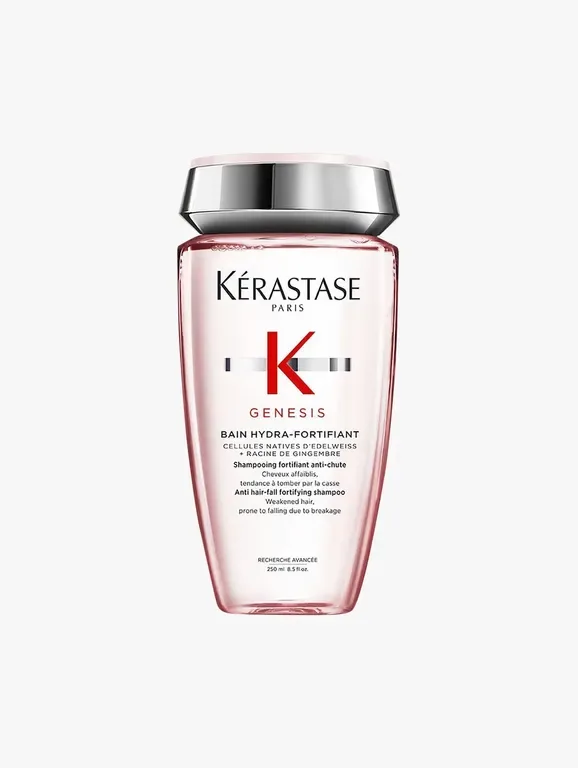
01
Kérastase Genesis Fortifying Shampoo for Thin Hair
$62 from Mecca
This strengthening shampoo helps reduce hair fall when brushing, and is Scott’s recco for washing hair during menopause.
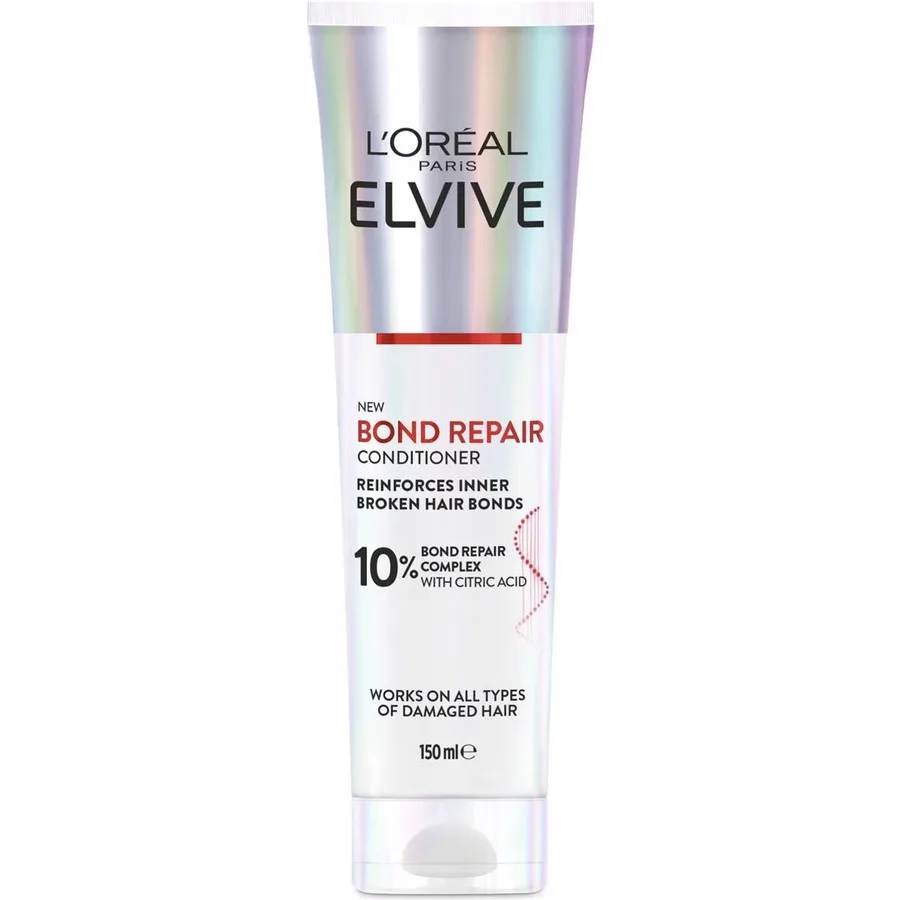
02
L’Oréal Paris Elvive Bond Repair Conditioner
$13.29 from Big W
Bond repair is essential for soft, silky, happy hair – not just during menopause! A bond-repair conditioner help reinforce hair from inside the strand and reduce ongoing breakage.
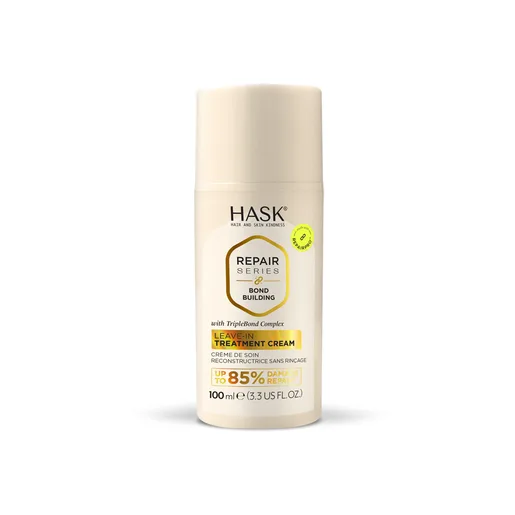
03
HASK Repair Series Bond Building Leave-In Treatment Cream
$27 from Priceline
A regular bond-building treatment can help rebuild broken bonds in the hair shaft, leaving you with healthier-looking locks.
04
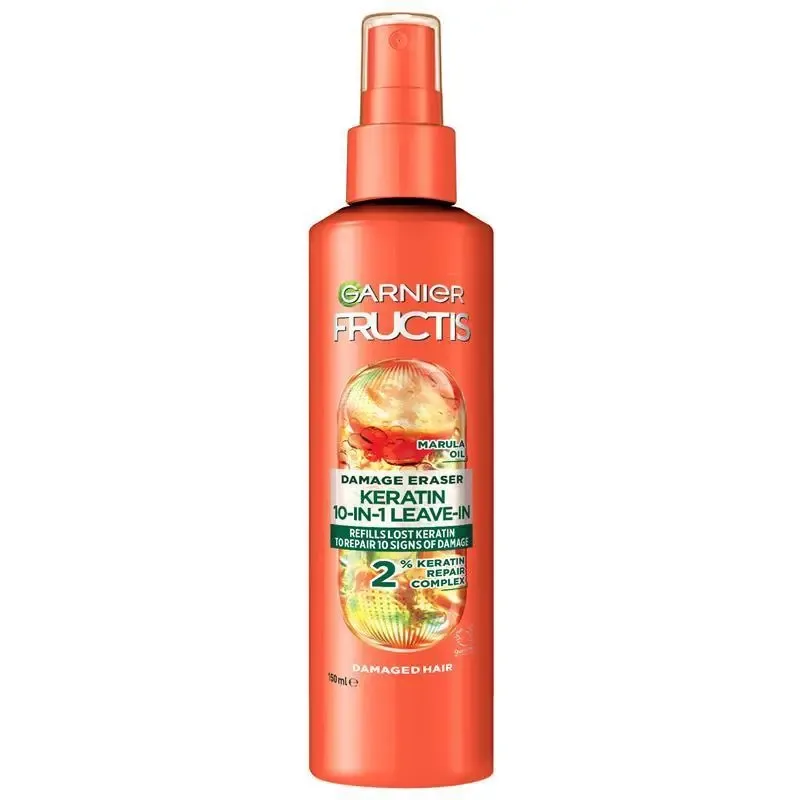
Garnier Fructis Keratin 10-in-1 Treatment Spray
$12.99 from Chemist Warehouse
Spray on and style as usual. What could be easier? Better yet, this keratin treatment not only works to repair damage, but also acts as a heat protectant spray. We love double duty!
05
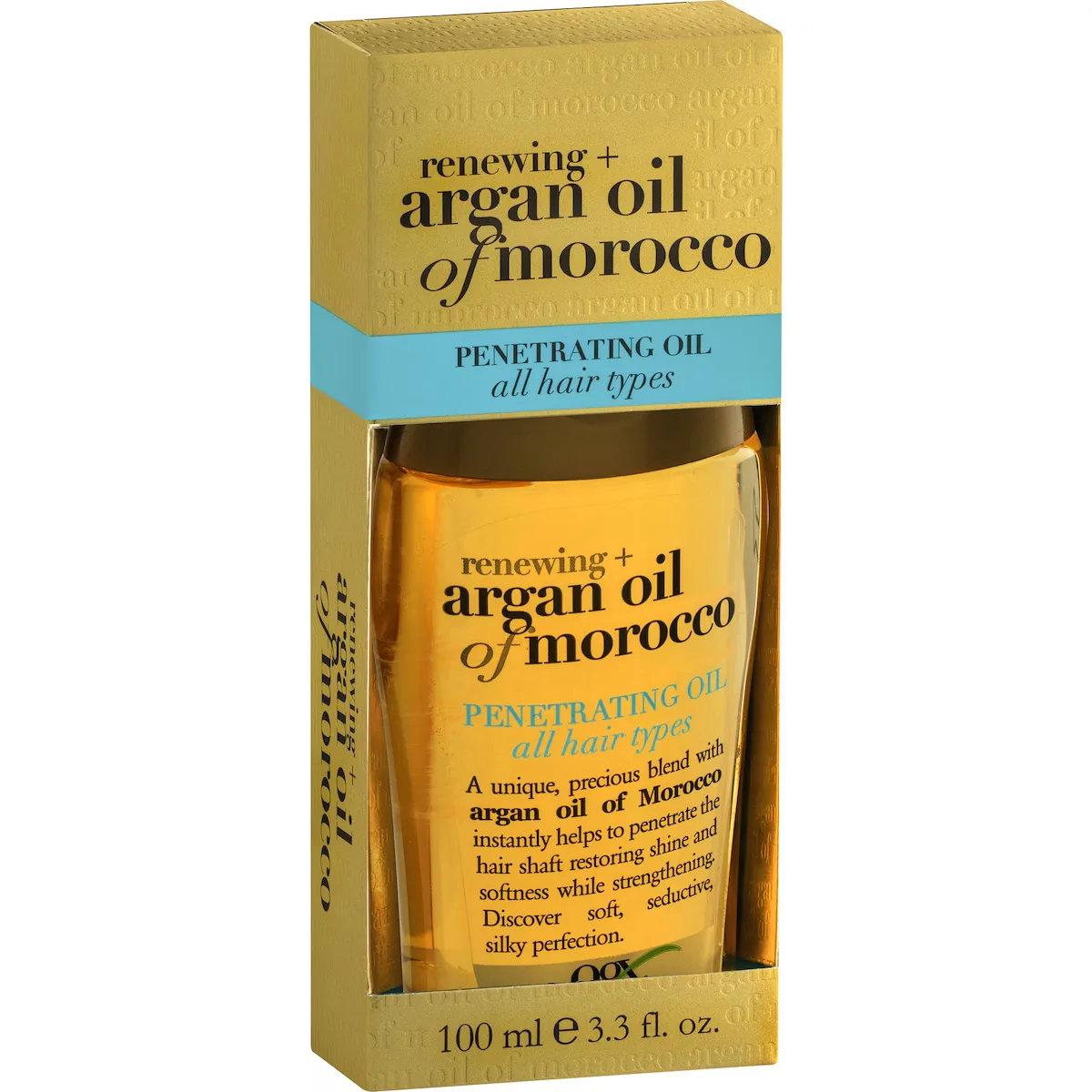
OGX Argan Oil Penetrating Hair Oil
$30 from Woolworths
Rich argan oil penetrates the hair shaft to moisturise and hydrate strands. Tip: warm it up by rubbing between your hands, then apply to the lengths and ends only to avoid an oily-looking scalp.
06
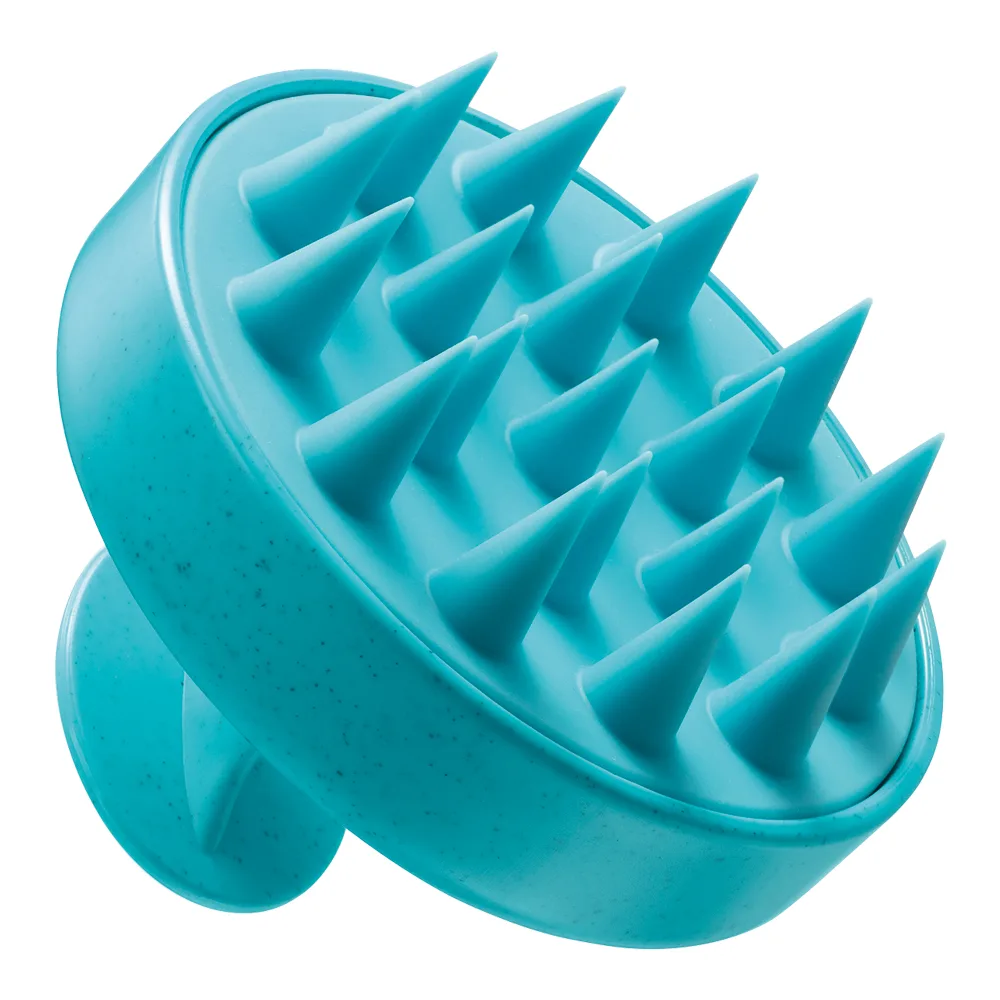
Moroccanoil Scalp Brush
$32 from Sephora
Working a scalp brush into your lather-rinse-repeat routine is a great way to give the skin on your head a little extra TLC. Apply your shampoo as per, and use small circular movements to massage in the product.


Share this post