


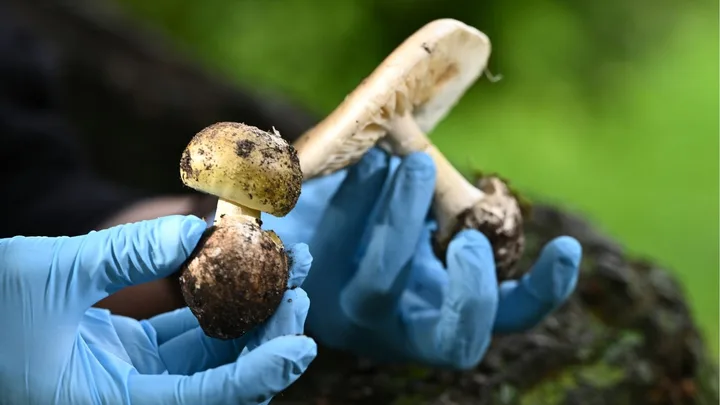
A few years before Erin Patterson cooked the beef Wellington laced with death cap mushrooms and served it to her in-laws, she bizarrely posted on Facebook asking for advice.
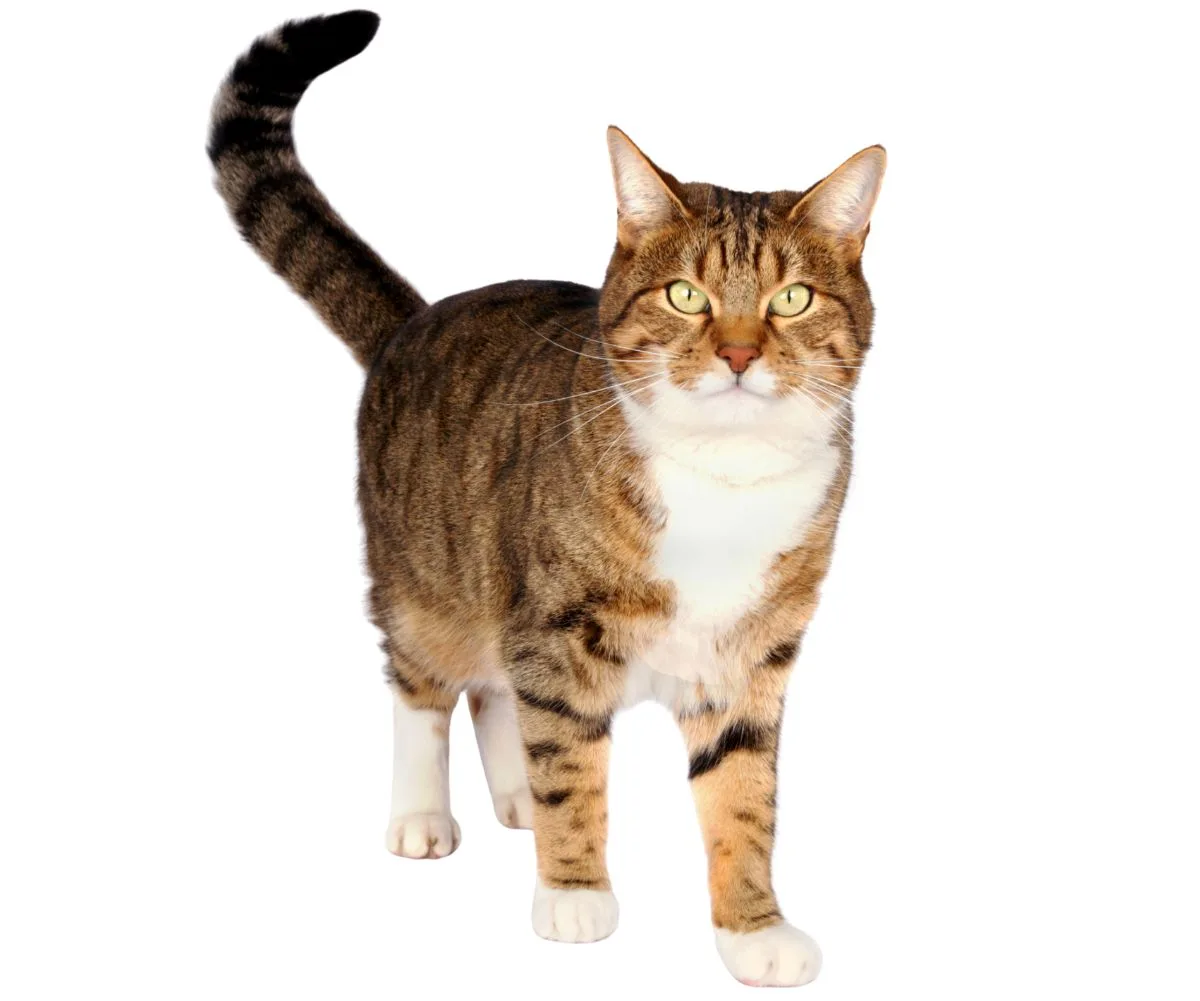
“My cat chewed on this mushroom right now, he’s having a vomit,” the post from November 2021 read.
While she owned a dog and a few goats, Patterson didn’t have a cat.
During the pre-trial hearing, prosecutors argued the post showed Patterson’s interest in the poisonous properties.
While the evidence of an imaginary cat was not shown to the jury, her defence lawyer, Colin Mandy, tried to reintroduce it to support Patterson’s claims that she had a long-held interest in foraging.
HISTORY OF FORAGING
While Erin Patterson claimed to have never foraged for death cap mushrooms, data from her electronic devices proved otherwise.
During an investigation into her digital footprint, detectives found Patterson had researched red kidney bean poisonings.
She also researched where death cap mushrooms had been spotted in Victoria, and Googled the words “poison” and “hemlock”.
Criminologist Xanthe Mallett tells Woman’s Day that Patterson has shown no remorse for the poisonings.

“The fact that she foraged for the mushrooms is now not in dispute – although she lied about that originally – and the fact that she cooked the meal which led to the deaths is not in dispute,” she said.
“What was in dispute throughout the whole trial was her intent to harm and ultimately kill, and as far as I’m aware, she’s still maintaining that she didn’t intend to harm anybody and hasn’t shown and remorse or guilt.”
INTEREST IN WILD MUSHROOMS


Patterson’s movements tracked by mobile phone towers also showed that she visited areas where she knew death cap mushrooms grew in the months leading up to the deadly lunch.
While evidence on Patterson’s electronic devices proved Patterson had searched for death cap mushrooms on the internet around the time of her trips, she claimed the mushrooms used in the beef Wellington came from her local supermarket.
During her trial, Patterson also told the court she had developed an interested in wild mushrooms in 2020, and eventually became confident in her ability to identify different species.



“It was a process over several months in the lead-up to it, but when I got to a point where I was confident about what I thought they were… I cut a bit off one of the mushrooms, fried it up with some butter, ate it, and then saw what happened,” she testified.
“They tasted good and I didn’t get sick.”

